
Well, here we are at the final stop of our holiday construction series! Over the past six parts, we've covered everything from planning your house addition during the busy season to managing timelines around the holidays. Now it's time to tackle one of the most critical topics that could make or break your project: avoiding contractor fraud.
Let's be honest, the holiday season brings out the best in people, but unfortunately, it also brings out some of the worst. Scammers know homeowners are often rushing to complete projects before family gatherings or are feeling generous with their spending. That's why protecting yourself from contractor fraud during peak season isn't just smart, it's absolutely essential.
Why Peak Season Makes You a Target
The construction industry sees a surge in activity during certain times of the year, and unfortunately, so does contractor fraud. During peak season, legitimate contractors are booked solid, which creates opportunities for scammers to swoop in and prey on desperate homeowners who need work done quickly.
Think about it: you've got holiday guests coming, you want that house addition finished before New Year's, and suddenly a contractor shows up at your door offering to complete your project in record time at an unbeatable price. It sounds too good to be true because it usually is.
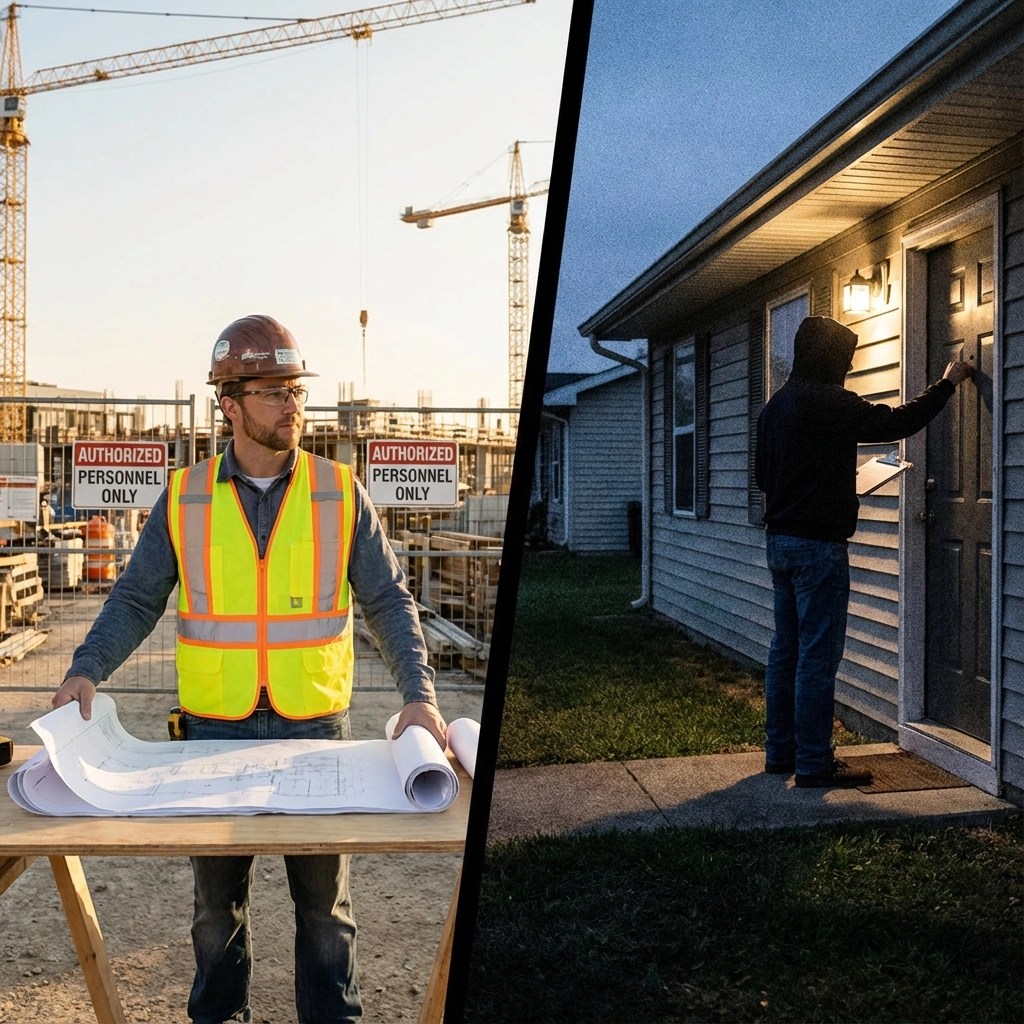
The Federal Trade Commission reports that home improvement scams cost homeowners millions annually, with many victims being targeted during busy construction seasons. Don't become another statistic.
The Red Flags You Cannot Ignore
Throughout this series, we've touched on warning signs here and there, but let's consolidate them into one master list. If any contractor exhibits these behaviors, run, don't walk, in the opposite direction:
Door-to-Door Solicitation: Professional contractors don't need to knock on doors. They're busy enough with referrals and established relationships. Any contractor who shows up unannounced claiming they were "working in the neighborhood" should be viewed with extreme suspicion.
Pressure Tactics: Legitimate contractors understand that house additions are major investments requiring careful consideration. Scammers use phrases like "This offer expires today" or "We can only do this price if you sign now." Real contractors give you time to think.
Requests for Full Payment Upfront: Never, ever pay the full amount before work begins. Legitimate contractors work in stages and get paid as milestones are completed. A request for 100% payment upfront is essentially a confession that they plan to disappear with your money.
Significantly Low Bids: If one estimate is dramatically lower than others, there's usually a reason. Either they plan to cut corners with cheap materials, add hidden costs later, or they're running a scam entirely.
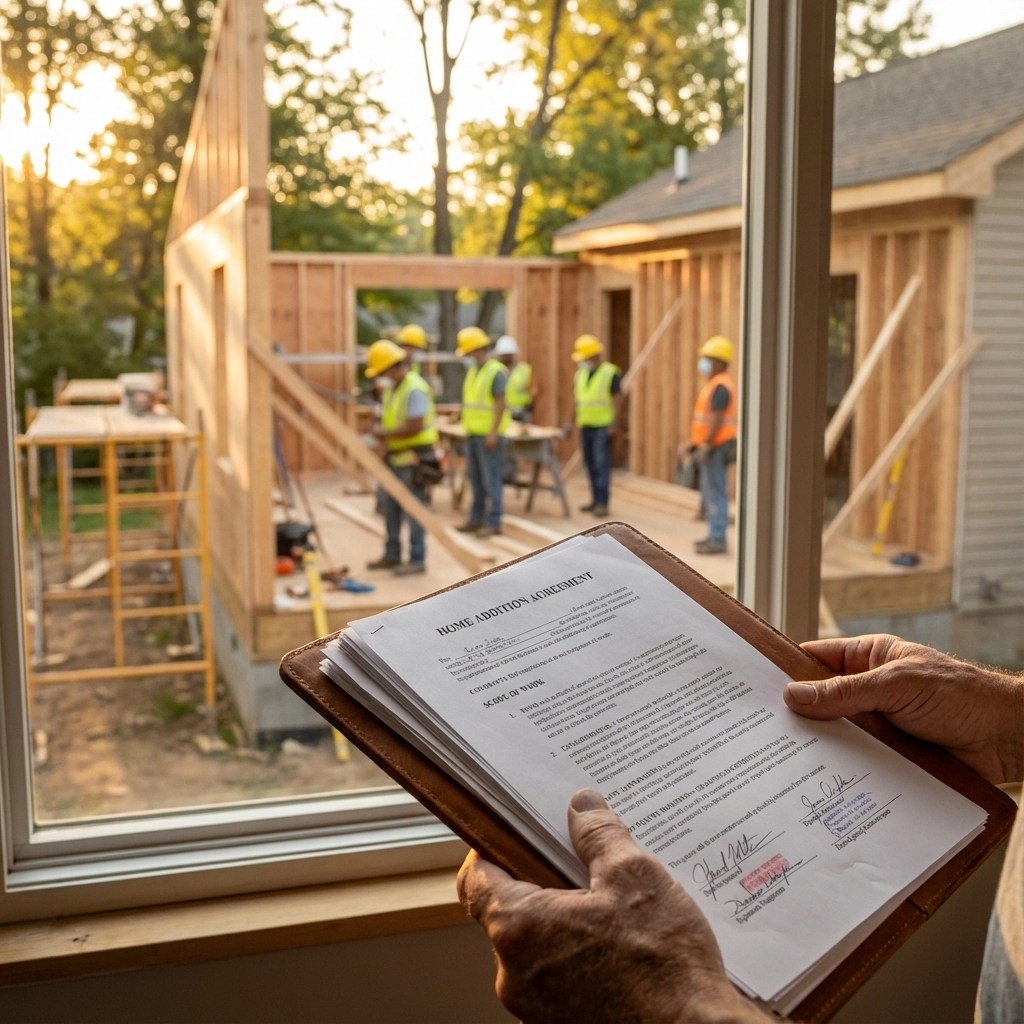
No Written Contracts: Any contractor who says "we can just shake hands on this" or resists providing written documentation is avoiding accountability. Professional contractors always provide detailed written contracts.
The Verification Process That Could Save Your Project
Before you even think about signing a contract for your house addition, complete this verification checklist:
License Verification: Check your state's licensing database to confirm the contractor holds an active license. Don't just take their word for it: verify independently. In Colorado, you can check contractor licenses through the state's database.
Insurance Confirmation: Request a Certificate of Insurance showing both general liability and workers' compensation coverage. Call the insurance company directly to verify the policy is active and covers the dates of your project.
Physical Business Address: Legitimate contractors have established business locations. Drive by their office if possible. Be wary of contractors who only provide P.O. boxes or residential addresses as their business location.
Reference Checking: Ask for recent references and actually call them. Don't just rely on written testimonials: have real conversations with previous customers about their experiences.
Better Business Bureau Check: Look up the contractor on the BBB website to check their rating and see if there are unresolved complaints.

The Contract Essentials That Protect You
A proper contract for your house addition should include specific elements that protect your interests:
Detailed Scope of Work: Every aspect of your addition should be spelled out, from foundation work to final paint colors. Vague language like "complete house addition" isn't sufficient protection.
Material Specifications: The contract should specify exact materials, brands, and quality levels. This prevents bait-and-switch tactics where cheap materials are substituted after you've signed.
Timeline and Milestones: Clear start and completion dates, along with specific milestones tied to payment schedules.
Change Order Process: How will modifications to the original plan be handled? All changes should require written approval and cost adjustments should be agreed upon before work proceeds.
Cleanup and Disposal: Who's responsible for job site cleanup and debris removal? This should be explicitly stated.
Warranty Information: What warranty is provided on workmanship and materials? Legitimate contractors stand behind their work.
Smart Payment Strategies
How you handle payments can be the difference between a successful project and becoming a fraud victim:
Never Pay Cash: Use checks or credit cards that create a paper trail. Credit cards offer additional consumer protections that cash transactions don't provide.
Stage Payments Properly: A typical payment schedule might be 10% to start, 25% when materials arrive, 50% at the halfway point, and final 15% upon completion and your approval.
Hold Final Payment: Always retain final payment until you're completely satisfied with the work and all punch list items are completed.
Avoid Large Upfront Payments: No more than 10-20% should be required to begin work. Contractors who demand 50% or more upfront are often setting up to disappear.
What to Do When Things Go Wrong
Despite your best efforts, you might still encounter problems. Here's your action plan:
Document Everything: Take photos, save all correspondence, and keep detailed records of payments and work performed.
Contact Local Authorities: Report fraud to local police, your state's attorney general, and the Better Business Bureau.
Check Your Rights: You may have a three-day right to cancel if the contract was signed in your home rather than the contractor's office.
Consult Legal Help: For significant financial losses, consulting with a construction attorney might be necessary.
Your Final Fraud Prevention Checklist
Before signing any contract for your house addition, run through this final checklist:
- Contractor license verified through state database
- Insurance certificates obtained and verified
- At least three written estimates received and compared
- References checked with actual phone conversations
- Better Business Bureau rating reviewed
- Physical business address verified
- Written contract includes all essential elements
- Payment schedule protects your interests
- No pressure tactics were used during negotiations
- All permits and inspections are properly addressed in contract
Moving Forward with Confidence
Look, we get it. After reading about all these potential scams and red flags, you might feel overwhelmed about finding a trustworthy contractor for your house addition. But here's the thing: legitimate, professional contractors far outnumber the scammers. By following the guidelines we've outlined throughout this series, you're setting yourself up for success.
The construction industry is full of honest, hardworking professionals who take pride in their craft and genuinely want to help you create the home of your dreams. At Farris General Contracting, we've built our reputation on transparency, quality workmanship, and treating every homeowner's project like it's our own family home.
Your Next Steps
As we wrap up this seven-part series, you now have all the tools you need to navigate your house addition project successfully: even during peak season. You understand how to plan around holiday schedules, manage timelines, work with professionals, and most importantly, protect yourself from fraud.
The holiday season should be about creating memories with family and friends, not stressing about construction problems or falling victim to scams. By taking the time to properly vet contractors and following the guidelines we've shared, you can move forward with confidence.
If you're ready to start planning your house addition or want to discuss your specific project needs, we'd love to help. Check out our additions portfolio to see examples of our work, or contact us for a consultation. We're here to make your vision a reality: safely, professionally, and with the transparency you deserve.
Remember, your home is likely your largest investment. Protecting it during any construction project isn't just about avoiding fraud: it's about ensuring that your house addition adds value, functionality, and joy to your life for years to come.
Here's to a successful project and happy holidays from all of us at Farris General Contracting!