
Welcome to 2026, Denver Metro! If you're sitting on the fence about that construction project you've been dreaming about: whether it's a home addition, a commercial build, or a complete remodel: you might be surprised to learn that now could actually be the perfect time to move forward.
Over the next seven editions of this series, we'll dive deep into why starting your construction project this year isn't just possible during economic uncertainty: it's actually strategic. Today, we're kicking things off with seven compelling benefits that make 2026 a surprisingly smart time to build.
1. Interest Rates Are Finally Moving in Your Favor
Here's some news that'll make your wallet happy: the Federal Reserve has signaled more interest rate cuts are likely throughout 2026, following the reductions we saw in 2025. What does this mean for your construction project? Simply put, financing just got a whole lot more affordable.
High interest rates have been the silent project killer for the past few years, making everything from construction loans to equipment financing painfully expensive. As rates continue to drop, you'll see significantly improved project feasibility whether you're a homeowner looking to expand your living space or a business owner planning a commercial development.
For contractors and developers, this also means opportunities to refinance existing debt at better rates, freeing up capital for new projects. The math is simple: lower interest rates equal lower project costs and better returns on investment.

2. Government Incentives Are Still Flowing Strong
Don't overlook the massive government programs still pumping money into construction. The Infrastructure Investment and Jobs Act, Inflation Reduction Act, and CHIPS and Science Act continue injecting billions into public works and advanced manufacturing projects right here in Colorado.
But it's not just about big infrastructure: these programs create ripple effects that benefit smaller projects too. Tax provisions like 100% bonus depreciation and the qualified production property rule are particularly attractive for manufacturing and commercial projects.
Here's a time-sensitive tip: the Section 179D deduction for energy-efficient commercial buildings is available for projects beginning construction before June 30, 2026. If you've been considering an energy-efficient commercial project, the clock is ticking on this significant tax benefit.
3. Hot Sectors Are Still Red-Hot
While some construction markets are cooling, others are absolutely booming. Data centers continue their record-breaking growth, driven by cloud computing and AI infrastructure demands. Colorado's tech corridor is particularly well-positioned to benefit from this trend.
Manufacturing construction is also staying strong thanks to federal incentives tied to semiconductor production and clean energy projects. These sectors offer stable demand even when broader construction markets face headwinds.
Whether you're a developer eyeing these high-demand sectors or a homeowner benefiting from the economic activity they create, the strength in these areas provides stability during uncertain times.
4. Labor Costs May Finally Get Some Relief
One of the biggest challenges in recent construction has been sky-high labor costs. Here's the good news: tax incentives and potential fiscal stimulus are expected to ease labor constraints and increase hiring as 2026 progresses.
This doesn't mean labor will suddenly become cheap, but the pressure valve is starting to release. For your project, this could mean more available contractors, more competitive bidding, and ultimately better value for your construction dollar.
5. Beat the Rush: Position for the Late-2026 Recovery
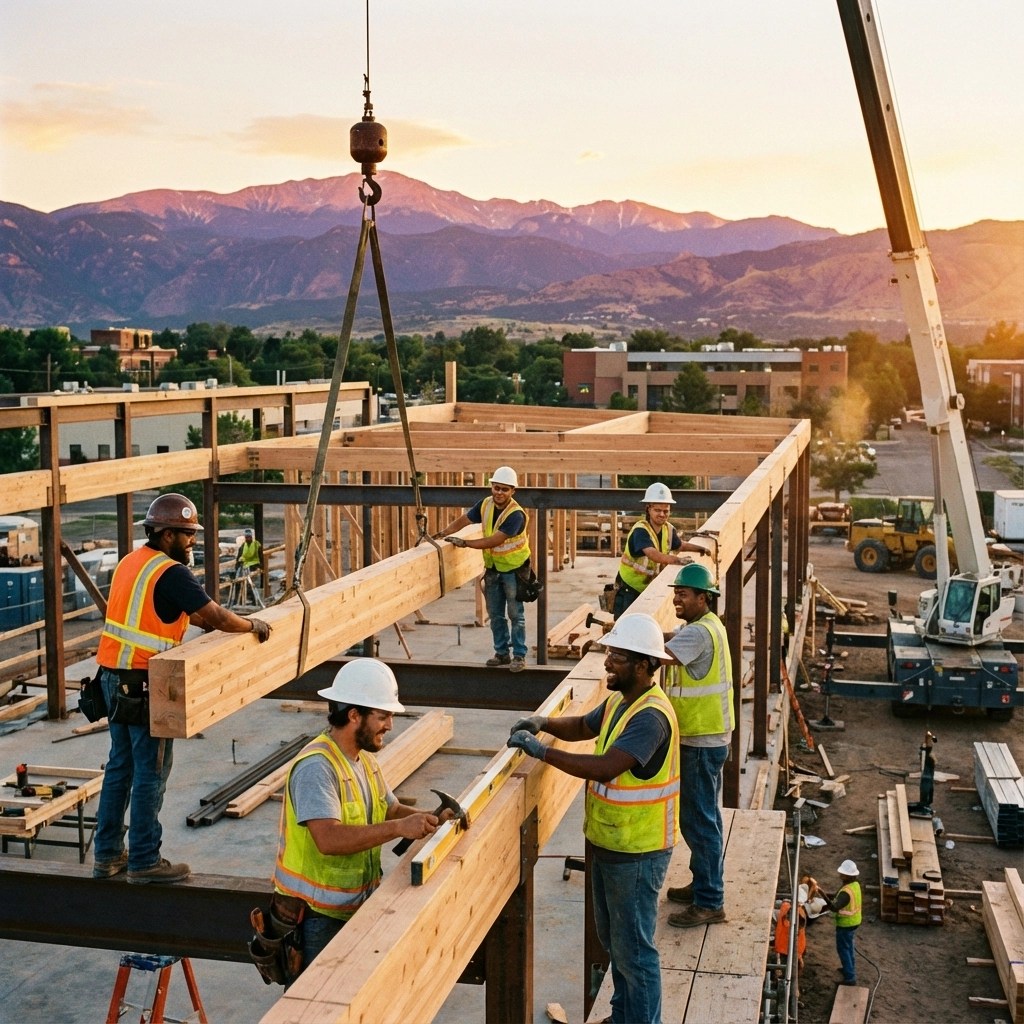
Construction economists are forecasting a gradual rebound beginning in the second half of 2026 as inflation continues to ease and interest rates decline further. Here's why this matters: everyone else will be waiting for that recovery to start their projects.
By starting now, you're positioning yourself to benefit from improving conditions rather than competing with a sudden surge of projects all launching simultaneously. Think of it as getting in line early for the best seats.
This is particularly relevant for Denver Metro homeowners and business owners who have been putting off projects. When the market fully rebounds, you'll be finishing up while others are just getting started: and likely paying higher prices for the privilege.
6. Adaptive Reuse Opportunities Are Golden
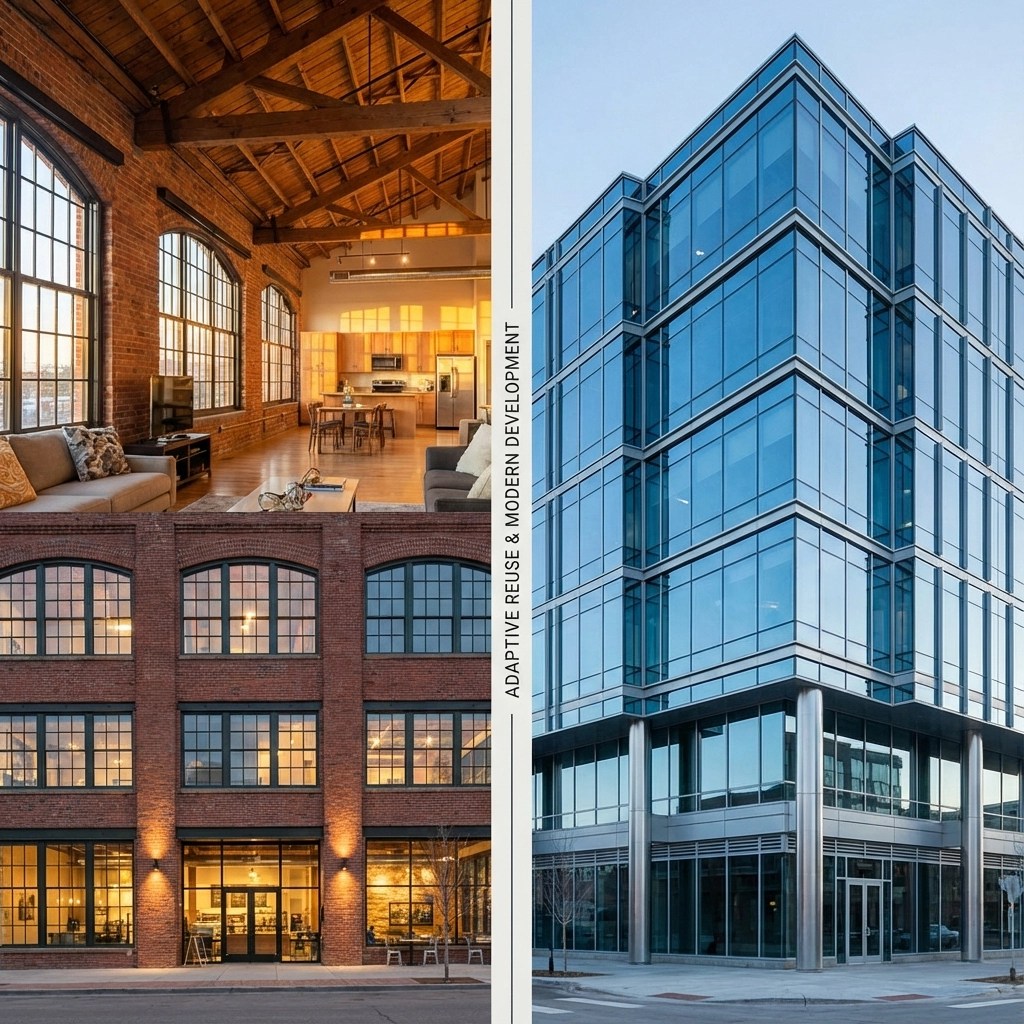
State and local governments are increasingly supporting adaptive reuse and conversion of underutilized facilities through incentive programs. Colorado has been particularly progressive in this area, offering both financial incentives and streamlined permitting processes.
This creates opportunities whether you're looking at converting an old warehouse into loft condos, transforming retail space for modern commercial use, or remodeling existing structures to meet current needs. The government motivation to support these projects means you're not just building: you're partnering with public policy goals.
7. Private Capital Is Getting Creative
Private equity investment in construction is growing, creating more capital availability and partnership opportunities for projects in 2026. This expanded funding landscape provides more options for project financing and execution.
For larger residential developments and commercial projects, this means access to capital that might not have been available through traditional lending channels. Even smaller projects benefit as this increased capital flow improves overall market liquidity.
The Denver Advantage
Living in the Denver Metro area gives you additional advantages during this economic climate. Colorado's diverse economy, from tech and aerospace to energy and tourism, provides more stability than markets dependent on single industries.
Our state's business-friendly policies and continued population growth also mean long-term demand for both residential and commercial construction remains strong. When you're making a construction investment now, you're betting on a market with solid fundamentals.
What This Means for Your Project
Whether you're considering a custom build, a home addition, or a commercial development, the key is understanding that economic uncertainty doesn't automatically mean you should wait. Sometimes, it means you should act strategically.
The benefits we've outlined aren't theoretical: they're real advantages available right now in 2026. Lower financing costs, government incentives, sectoral strength, improving labor conditions, strategic timing, adaptive reuse opportunities, and expanded capital access all combine to create a surprisingly favorable environment for the right projects.
Looking Ahead in This Series
This is just the beginning of our exploration into why 2026 is a strategic construction year. In our upcoming editions, we'll dive deeper into:
- Specific financing strategies for different project types
- How to maximize government incentives and tax benefits
- Timing your project for optimal cost savings
- Navigating labor markets and contractor selection
- Commercial vs. residential considerations
- Future-proofing your investment for long-term value
Each edition will provide practical insights you can use to make informed decisions about your construction plans.
Ready to explore how these benefits might apply to your specific project? Contact our team at Farris General Contracting to discuss how current market conditions could work in your favor. Sometimes the best time to build isn't when conditions are perfect: it's when conditions are strategic.
Stay tuned for Edition 2, where we'll break down the financing landscape and show you exactly how to take advantage of improving interest rate conditions for your construction project.