
Welcome back to our 7-part series on why 2026 might be the perfect time to tackle that construction project you've been putting off. If you missed our first two editions, don't worry – we're building momentum just like a well-planned construction timeline.
In this third installment, we're diving deep into something every property owner in Denver should understand: how construction projects during economic uncertainty can actually strengthen your financial position rather than weaken it. We're talking about future-proofing your investment, building real equity when others are sitting on the sidelines, and strategically upgrading property values while the market takes a breather.
Future-Proofing: Your Best Defense Against Economic Uncertainty
Let's start with a reality check. Economic downturns don't last forever, but the improvements you make to your property do. When you invest in construction during uncertain times, you're essentially buying insurance against future volatility while positioning yourself for the inevitable recovery.
The Federal Reserve has already signaled more interest rate cuts are coming after reducing rates twice in 2025. This creates a unique window where borrowing costs are becoming more manageable, but construction costs haven't yet rebounded to pre-downturn levels. Smart property owners recognize this as a golden opportunity to lock in improvements at favorable terms.
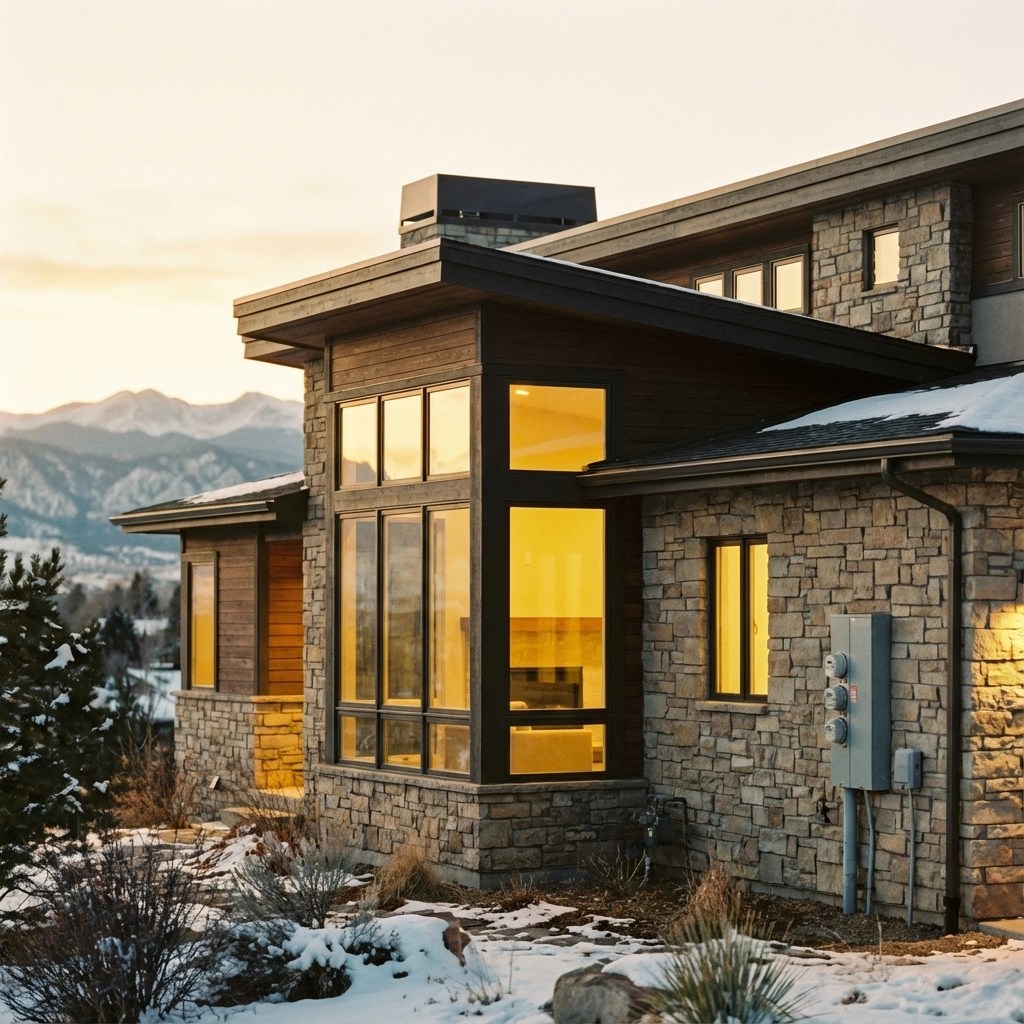
Think about it this way: every upgrade you make today – whether it's energy-efficient windows, updated electrical systems, or expanded commercial space – becomes a permanent asset that weathers economic storms better than paper investments. These improvements don't disappear when markets fluctuate. They don't lose value overnight due to investor sentiment. They're tangible, functional assets that serve you regardless of what Wall Street is doing.
For Denver property owners, this is particularly relevant. Our city's growth trajectory hasn't fundamentally changed despite recent economic headwinds. The underlying demand for quality residential and commercial space remains strong, supported by our diverse economy, outdoor lifestyle appeal, and business-friendly environment.
Building Equity When Others Are Waiting on the Sidelines
Here's where things get really interesting from a financial strategy perspective. While many property owners are paralyzed by economic uncertainty, those who move forward with strategic construction projects are quietly building substantial equity.
The math is straightforward: construction costs during slower economic periods often provide better value per dollar spent. Contractors have more availability, material suppliers may offer better pricing to maintain volume, and you have more leverage in negotiations. Every dollar you invest in improvements typically generates more than a dollar in property value increase – and that spread is often wider during economic downturns.
But there's another layer to consider. The Section 179D deduction for energy-efficient commercial buildings remains available for projects beginning construction before June 30, 2026. This federal tax incentive can provide significant immediate benefits while also increasing your property's long-term value through improved energy performance.
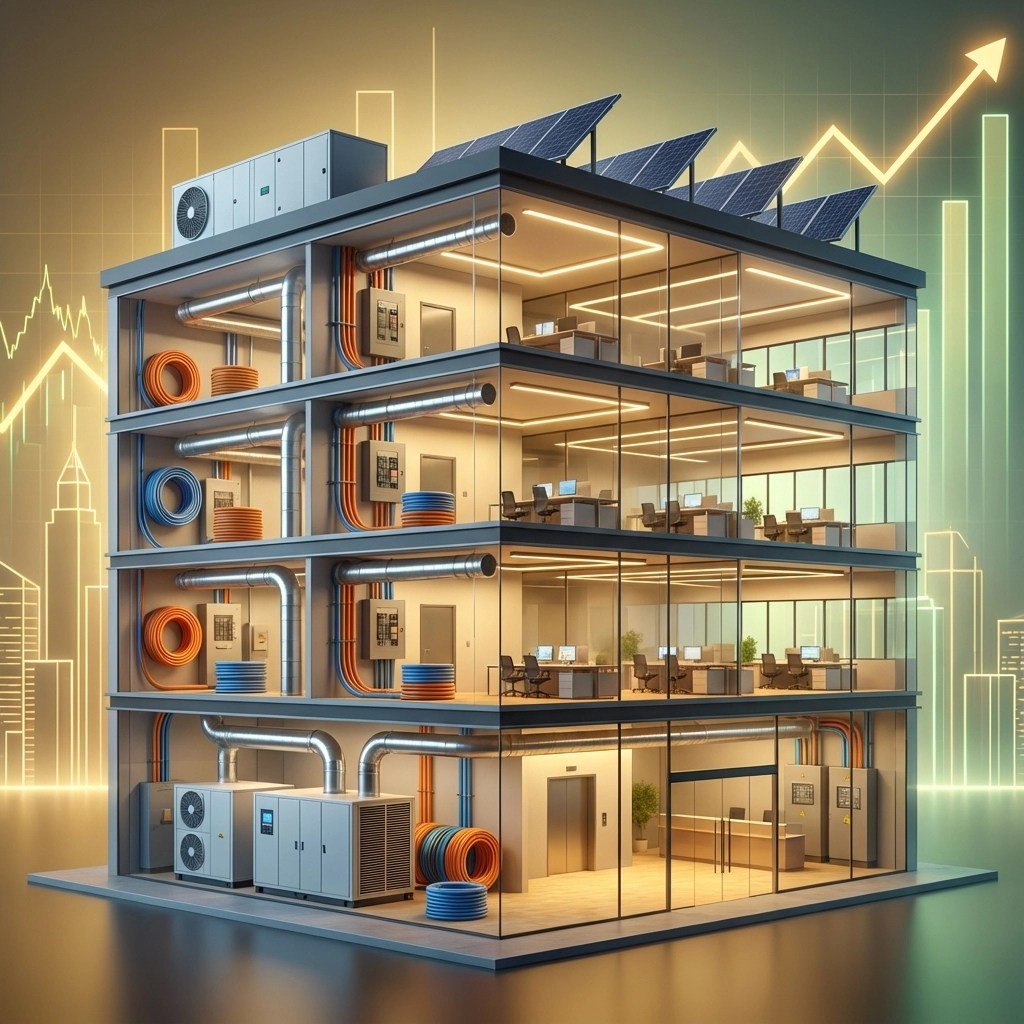
For residential property owners, the equity-building opportunity is equally compelling. Home improvements made during market slowdowns often provide outsized returns when the market recovers. You're essentially buying future appreciation at today's more favorable construction costs.
Commercial property owners have additional advantages through various government funding programs. The Infrastructure Investment and Jobs Act (IIJA), Inflation Reduction Act (IRA), and CHIPS and Science Act continue injecting significant funding into sectors that support construction activity. If your project aligns with these priorities – think energy efficiency, technology infrastructure, or adaptive reuse – you might access funding that makes your equity-building strategy even more attractive.
Strategic Property Value Upgrades During Market Slowdowns
One of the biggest misconceptions about construction during economic uncertainty is that property improvements won't be appreciated until markets recover. This misses a crucial point: quality improvements are always valued by the market, but during slowdowns, they stand out even more dramatically.
When fewer properties are being upgraded or improved, your enhanced property becomes increasingly distinctive. This is particularly true in Denver's competitive real estate landscape, where quality improvements can mean the difference between attracting premium tenants or buyers versus settling for whatever the market offers.

Consider the current momentum in data center and manufacturing construction. Record-breaking growth in data center development and continued manufacturing expansion driven by federal incentives suggest that properties positioned to serve these sectors – whether through expanded electrical capacity, improved connectivity infrastructure, or flexible space configurations – will command premium values.
Adaptive reuse presents another compelling opportunity. Growing state and local government incentives support conversion of underutilized facilities, with strong demand for these projects as communities focus on economic revitalization. If you own property that could benefit from creative repurposing, the combination of available incentives and reduced competition makes this an ideal time to move forward.
The key is thinking strategically about which improvements provide the most value both immediately and over time. Energy efficiency upgrades almost always pay dividends through reduced operating costs and increased marketability. Technology infrastructure improvements position properties for future needs that are only becoming more critical. Flexible space configurations allow properties to adapt as tenant and buyer preferences evolve.
Denver's Unique Construction Opportunity Landscape
Living and working in Denver gives us some distinct advantages during this economic period. Our city's diversified economy means we're not overly dependent on any single industry that might be struggling. The outdoor recreation sector, technology companies, healthcare systems, and government operations provide a stable foundation that supports continued demand for quality properties.
The ongoing growth in our metropolitan area also means that any improvements you make today are likely to be appreciated by an expanding population base. While some coastal markets face uncertainty about long-term population trends, Denver continues attracting new residents and businesses drawn by our quality of life and business environment.
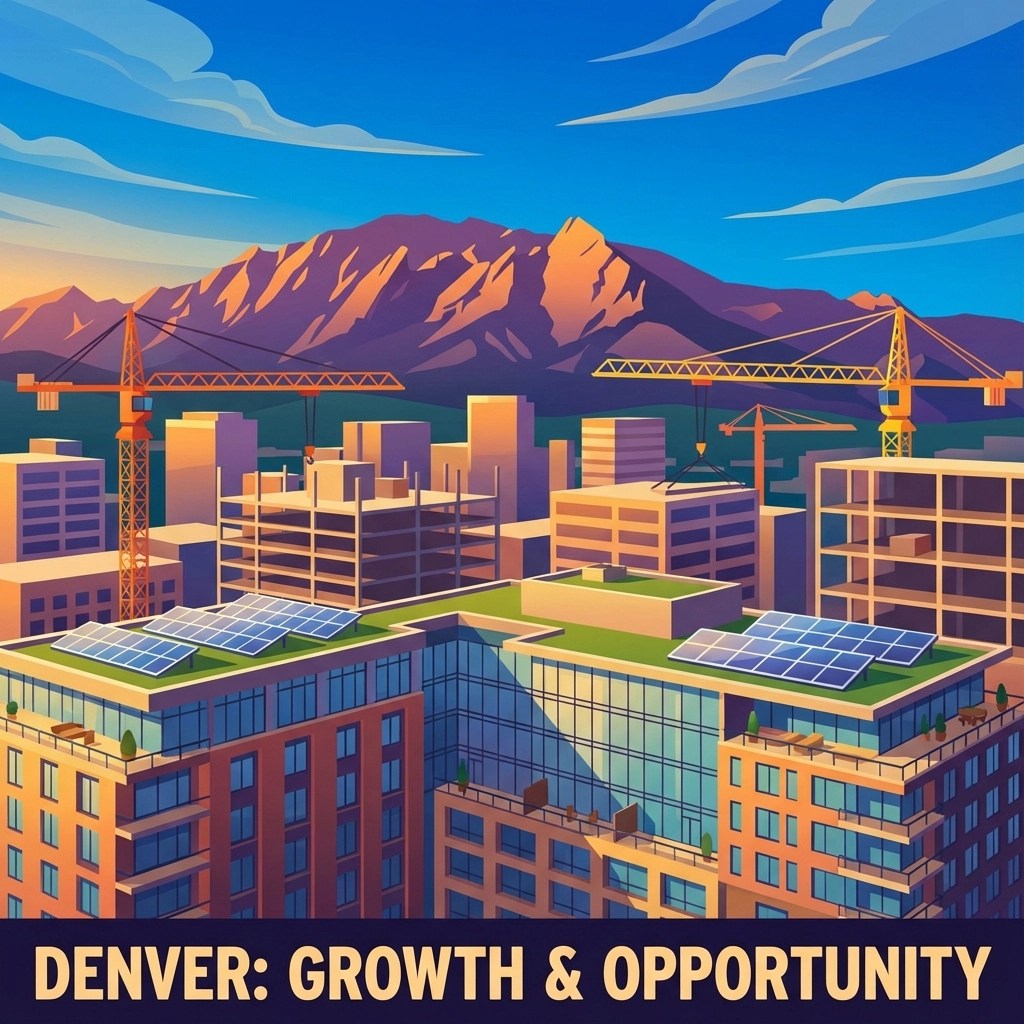
Local contractors and suppliers are often more flexible during slower periods, meaning you might access higher quality workmanship and materials than would be available during peak construction times. This creates an opportunity to implement improvements that might have been cost-prohibitive or logistically challenging when everyone was competing for the same resources.
Denver's focus on sustainability and energy efficiency also aligns well with available federal incentives. Projects that incorporate green building practices, renewable energy systems, or energy-efficient technologies can access both local and federal support programs that improve project economics.
Making the Move: Practical Next Steps
If this strategic approach to construction during economic uncertainty resonates with you, the next step is developing a specific plan that aligns with your property goals and financial situation.
Start by identifying which improvements would provide the most value for your specific property type and location. For commercial properties, this might mean upgrading technology infrastructure, improving energy efficiency, or creating more flexible space configurations. For residential properties, focus on improvements that enhance both immediate livability and long-term market appeal.
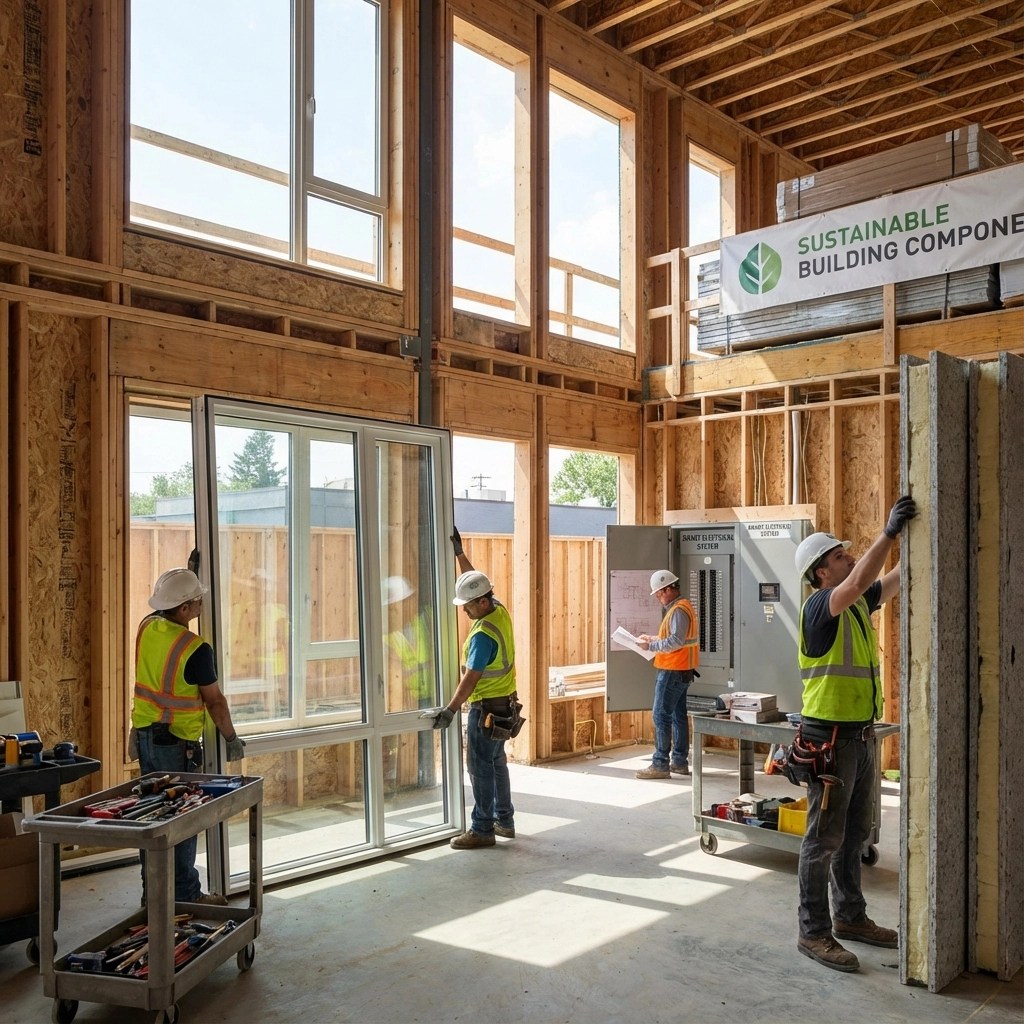
Research available incentives and financing options. The combination of falling interest rates and ongoing government programs creates opportunities that might not be available during more stable economic times. Don't assume that economic uncertainty means financing isn't available – in many cases, the opposite is true for well-planned projects.
Consider timing carefully. Starting projects in early 2026 gives you access to current incentive programs while potentially avoiding the rush of activity expected later in the year as economic conditions improve.
Most importantly, work with experienced professionals who understand both the construction process and the economic considerations involved. At Farris General Contracting, we've helped Denver property owners navigate construction projects through various economic cycles, and we understand how to structure projects that build value regardless of market conditions.
Economic uncertainty doesn't have to mean putting your property improvement plans on hold. In fact, for strategic property owners, it often represents the best time to move forward with projects that build lasting value and position properties for future success.
Ready to explore how construction improvements could strengthen your property's position during these uncertain times? Contact Farris General Contracting to discuss your specific situation and develop a strategy that makes sense for your goals and timeline.
Stay tuned for Edition 4 of our series, where we'll explore how construction projects can actually improve your cash flow during economic downturns – a benefit that surprises many property owners but makes perfect sense once you understand the mechanics involved.