
Welcome to the first installment of our hemp build series! If you're exploring sustainable construction materials for your custom build, you've probably heard whispers about hempcrete. Maybe you're wondering if it's just another green building trend, or if there's real substance behind the buzz. Let's dig into why this material is turning heads in the construction world: and why it might be the perfect fit for your next project.
What Exactly Is Hempcrete?
Before we get into the impressive stats, let's break down what hempcrete actually is. This isn't some complicated chemical cocktail. Hempcrete is made from just three simple ingredients: hemp stalks (the woody core of the hemp plant), a lime-based binder, and water. That's it. Mix them together, and you get a lightweight building material that's been quietly revolutionizing construction projects across the globe.
The beauty of hempcrete lies in its simplicity. Unlike traditional building materials that come with lengthy ingredient lists full of unpronounceable chemicals, hempcrete keeps things straightforward. And as you'll see, that simplicity doesn't mean sacrificing performance: quite the opposite, actually.
The Strength Factor: Lightweight Doesn't Mean Weak
Here's where things get interesting. When most people think about strong building materials, they picture heavy concrete or steel beams. So when you tell them hempcrete weighs only one-sixth as much as concrete, they naturally assume it must be weaker, right?
Wrong.
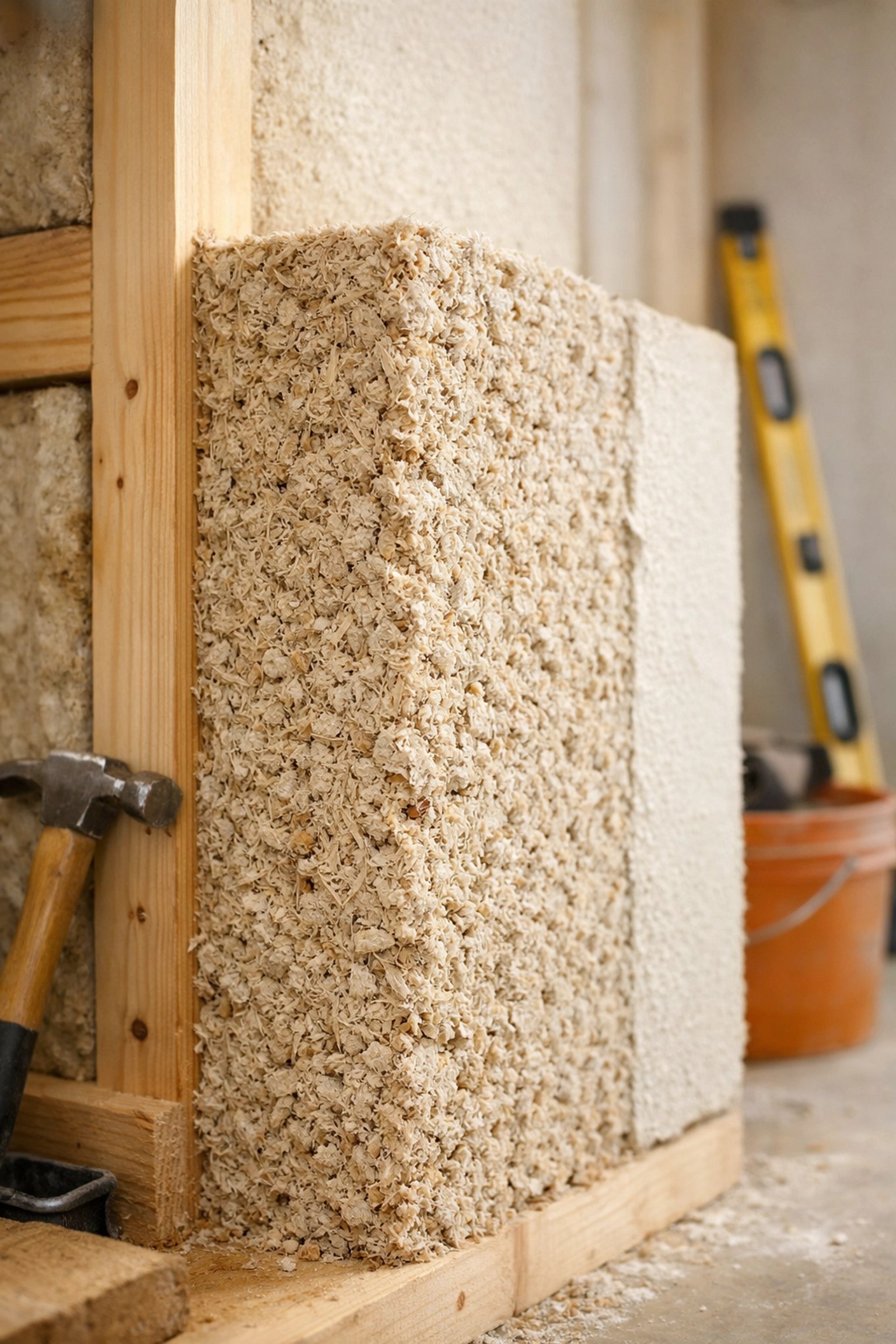
Hempcrete is actually ten times stronger than concrete in terms of its strength-to-weight ratio. Let that sink in for a moment. You're getting exceptional structural performance without the massive weight load that traditional materials demand. This opens up design possibilities that might not be feasible with heavier materials.
But here's the really cool part: hempcrete gets stronger over time. Through a natural process called carbonation, the material continues to harden and improve its structural integrity for years after installation. Your walls are literally getting more durable as you live in your home. How's that for a long-term investment?
Flexibility Without the Cracks
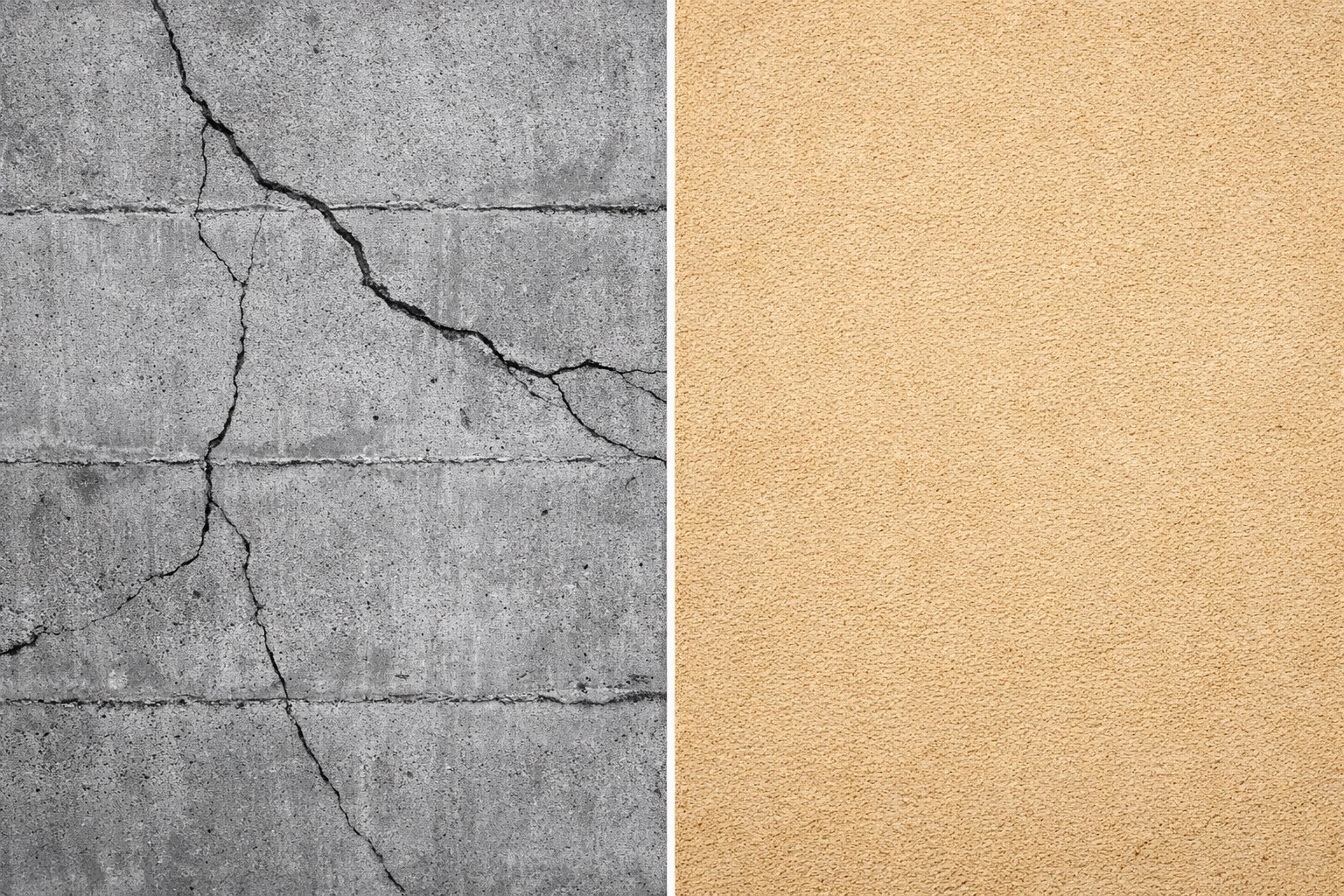
Ever noticed those hairline cracks that seem to appear in concrete walls and foundations? That's because concrete is rigid and brittle. It doesn't handle movement well: whether that movement comes from temperature changes, settling foundations, or ground vibrations.
Hempcrete takes a different approach. Instead of fighting against natural movement, it works with it. The material can safely absorb temperature-induced expansion and contraction without developing stress cracks. No need for steel expansion joints or constant patching and maintenance. If you live in an area with significant temperature swings (and let's be honest, who doesn't these days?), this flexibility is a game-changer.
Even better? In earthquake-prone regions, hempcrete's ability to withstand seismic activity without cracking makes it an incredibly smart choice for custom builds. The material absorbs vibration and movement instead of transferring it throughout the structure.
Fire Safety That Goes the Distance
Let's talk about one of the biggest safety concerns for any homeowner: fire resistance. This is where hempcrete really shines: or rather, where it refuses to burn.
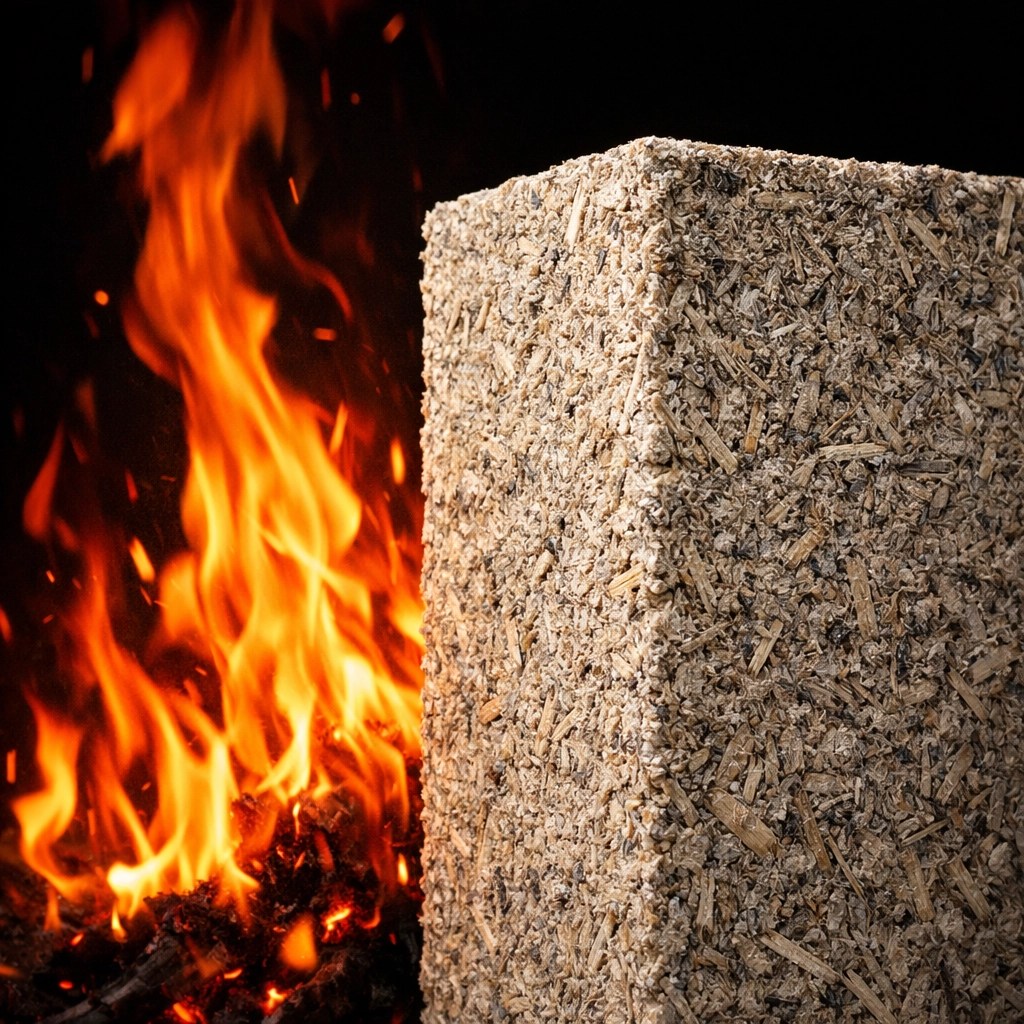
Thanks to the high silica content in hemp fibers, hempcrete is naturally fire-resistant. And we're not talking about just slowing down a fire for a few minutes. Testing has shown that hempcrete walls can withstand temperatures of 1,200°F for up to four hours without catching fire. To put that in perspective, house fires typically burn at temperatures between 1,100-1,200°F.
Four hours of fire resistance gives you and your family invaluable time to evacuate safely. It also gives firefighters time to respond and contain the blaze before it spreads to other structures. For insurance companies, this kind of fire resistance translates to lower premiums: a nice bonus on top of the peace of mind.
Pest and Mold Protection Built Right In
Here's something that keeps a lot of homeowners up at night: termites, rodents, and mold. Traditional wood-frame construction can be vulnerable to all three. But hempcrete? It naturally repels these unwanted guests.
The high pH level of the lime binder creates an environment that insects and rodents simply don't like. They won't burrow through it, nest in it, or eat it. No need for chemical treatments or pesticide barriers that need regular reapplication. The protection is built right into the material itself.
As for mold, the antimicrobial properties of lime work overtime to prevent growth. Even in humid environments, hempcrete walls resist mold development naturally. This is huge for anyone concerned about indoor air quality or dealing with allergies and respiratory sensitivities in their household.
Breathing Easy: The Health Benefits
Speaking of indoor air quality, let's address what might be hempcrete's most compelling benefit: it's completely non-toxic. Zero formaldehyde. Zero volatile organic compounds (VOCs). None of the chemical off-gassing that comes with conventional building materials.
When you walk into a newly built home with traditional materials, that "new construction smell" isn't just paint: it's often a cocktail of VOCs being released into the air you breathe. With hempcrete, you skip that entirely. What you get instead is a naturally healthy indoor environment from day one.
But hempcrete doesn't stop at being non-toxic. The material is exceptionally breathable, which sounds odd for a wall, but it's actually critical for maintaining a healthy home. Hempcrete naturally regulates indoor humidity levels, typically keeping them in the sweet spot between 50-55%. This regulation happens automatically: no dehumidifiers or complex HVAC systems required.
Why does humidity regulation matter? At 50-55% humidity, you're in the ideal range for comfort and health. Too low, and you're dealing with dry skin, irritated sinuses, and increased susceptibility to respiratory infections. Too high, and you're creating conditions for mold growth and dust mites. Hempcrete keeps you right where you want to be, naturally.
Perfect for Custom Builds
All these benefits come together to make hempcrete an ideal choice for custom construction projects. When you're investing in a custom build, you're not just looking for a place to live: you're creating a space that reflects your values and meets your specific needs.
Maybe you're prioritizing sustainability and want building materials that won't harm the environment. Hempcrete checks that box. Perhaps you're concerned about long-term durability and maintenance costs. The material's strength and resistance to common problems like cracking, pests, and mold mean lower maintenance over the life of your home.
Or maybe you're focused on creating the healthiest possible indoor environment for your family. The non-toxic composition and natural humidity regulation make hempcrete hard to beat. The fact that you get superior fire resistance and structural flexibility as bonuses? That's just icing on the cake.
Getting Started with Hempcrete
If you're excited about the possibilities of hempcrete for your custom build, the next step is talking with a contractor who has experience working with the material. At Farris General Contracting, we're seeing more and more clients interested in sustainable building materials that don't compromise on performance: and hempcrete fits that description perfectly.
Throughout this series, we'll explore more aspects of hemp builds, including installation processes, cost considerations, and real-world project examples. But for now, the key takeaway is simple: hempcrete offers a unique combination of strength, safety, and health benefits that traditional materials struggle to match.
Your custom build should be exactly that: custom. If you're looking for a material that's strong, safe, fire-resistant, pest-proof, and healthy, hempcrete deserves a serious look. Don't be afraid to ask questions, explore options, and think outside the traditional construction box. The materials are evolving, and your home can benefit from the innovation.
Stay tuned for the next post in this series, where we'll dive into the environmental benefits and sustainability aspects of hemp construction. Trust us: if you thought the strength and safety benefits were impressive, you haven't seen anything yet.