
Welcome to something exciting happening in Denver's construction scene. If you've been keeping an eye on sustainable building materials, you've probably heard whispers about hemp construction. And if you haven't, well, you're in for a treat.
At Farris General Contracting, we've built our reputation on three core principles: Integrity, Quality, and Communication. But we also believe in staying ahead of the curve. That's why we're diving headfirst into hemp builds, and we want to bring you along for the ride.
This is Part 1 of our 5-part series on hemp construction. Over the next few posts, we'll break down everything you need to know about this sustainable building method that's quietly revolutionizing how we think about construction in Colorado.
What Exactly Are Hemp Builds?
Let's start with the basics. When we talk about "hemp builds," we're referring to construction that uses hempcrete, a biocomposite material made from the inner woody core of the hemp plant (called hemp hurd), mixed with a lime-based binder and water.
No, this isn't your typical concrete. And no, you can't get high from living in a hemp house (that's the first question everyone asks, trust us).
Hempcrete has been used in Europe for decades, particularly in France where they've been perfecting the craft since the 1990s. But it's only recently gained serious traction here in the United States, especially in forward-thinking markets like Denver.
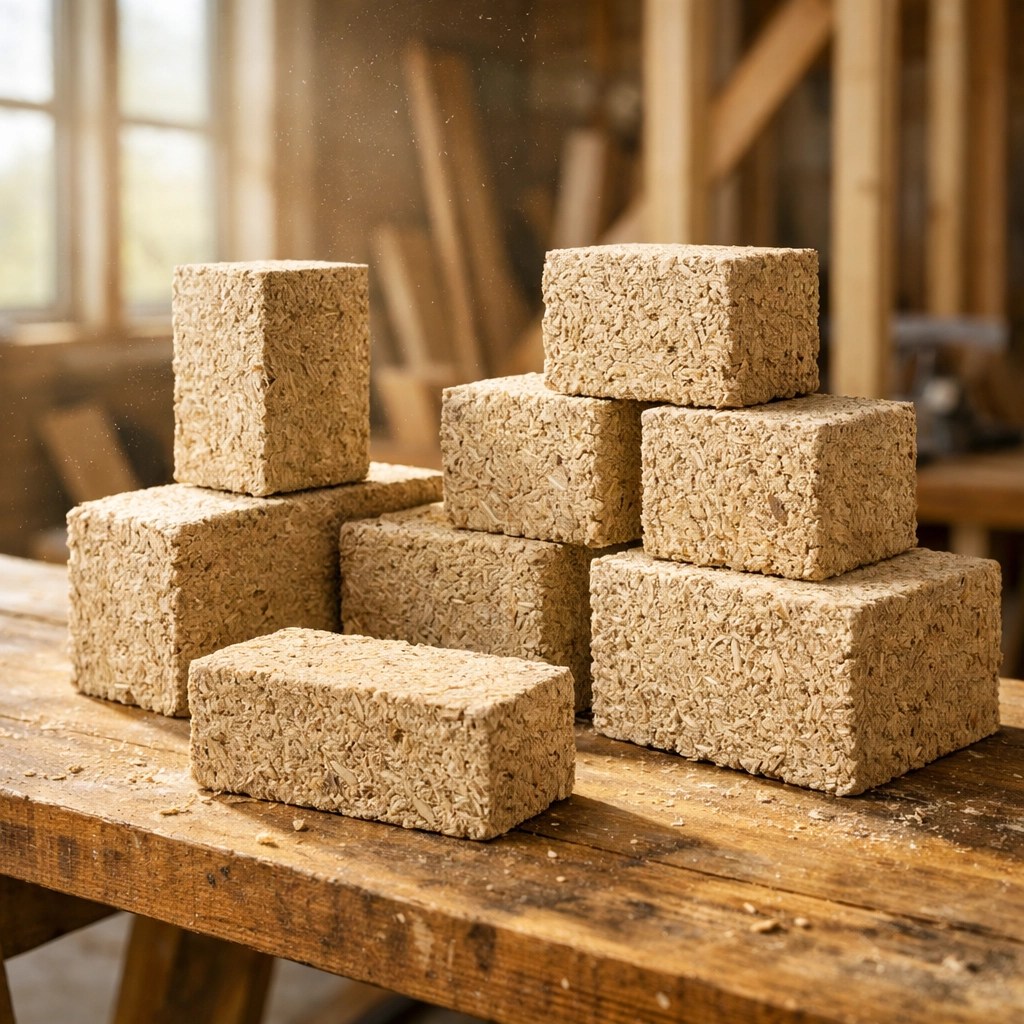
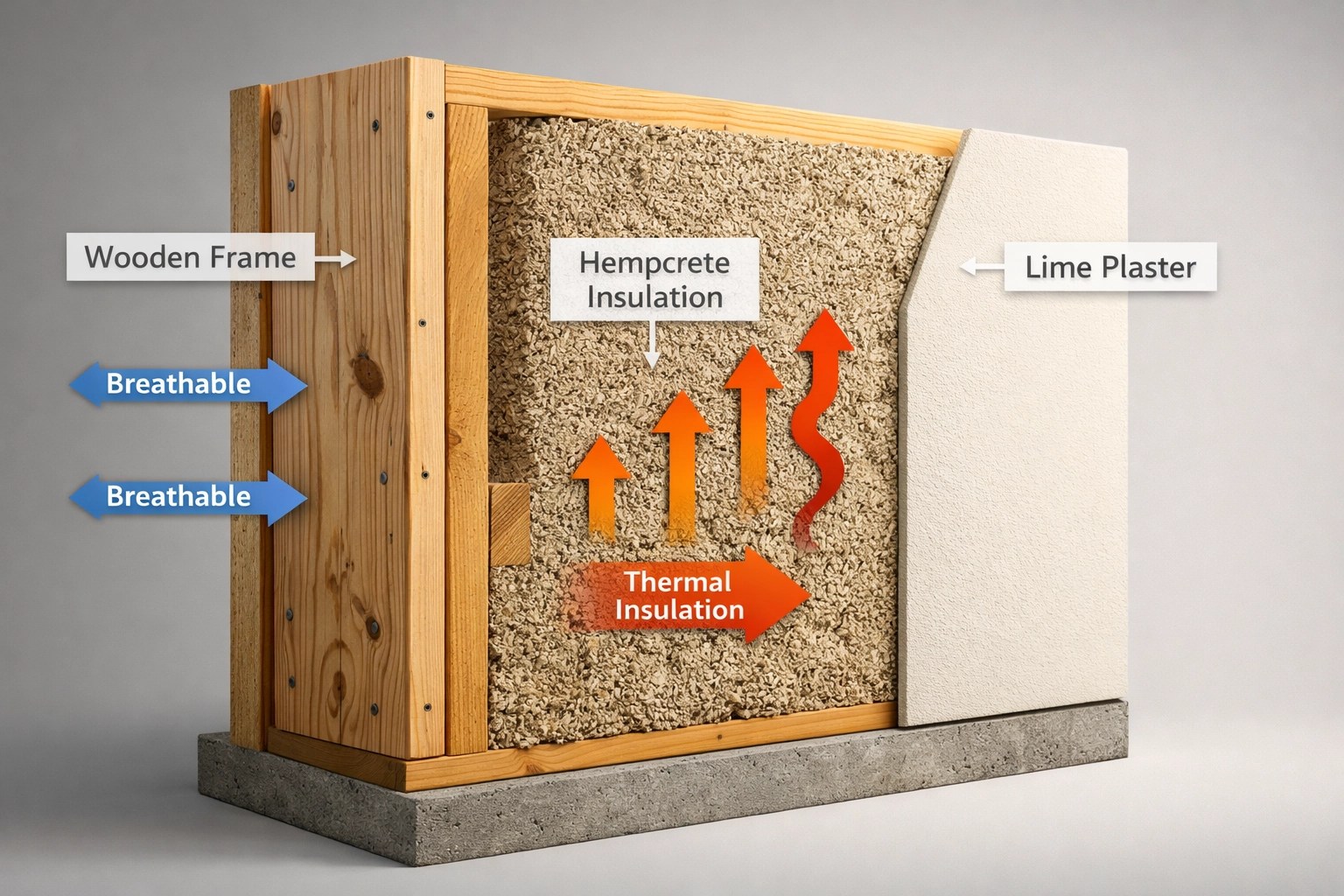
Think of hempcrete as insulation and wall material rolled into one. It's not load-bearing, so you'll still need a traditional frame structure, but it fills in the walls creating an incredibly energy-efficient, breathable, and durable building envelope.
Why Denver? Why Now?
Colorado's construction landscape is changing. We're seeing more clients who care about where their materials come from, how their homes impact the environment, and what kind of legacy they're leaving behind. Denver homeowners aren't just thinking about curb appeal anymore, they're thinking about carbon footprints, energy efficiency, and long-term sustainability.
Hemp grows exceptionally well in Colorado's climate. In fact, Colorado was one of the first states to legalize industrial hemp cultivation after the 2014 Farm Bill. This means we have local sources for hemp materials, which cuts down on transportation costs and emissions.
Plus, Denver's growing focus on green building codes and sustainable development makes it the perfect testing ground for innovative construction methods. The city's climate, with its temperature swings, low humidity, and intense sun, actually plays to hempcrete's strengths.
The Sustainability Factor
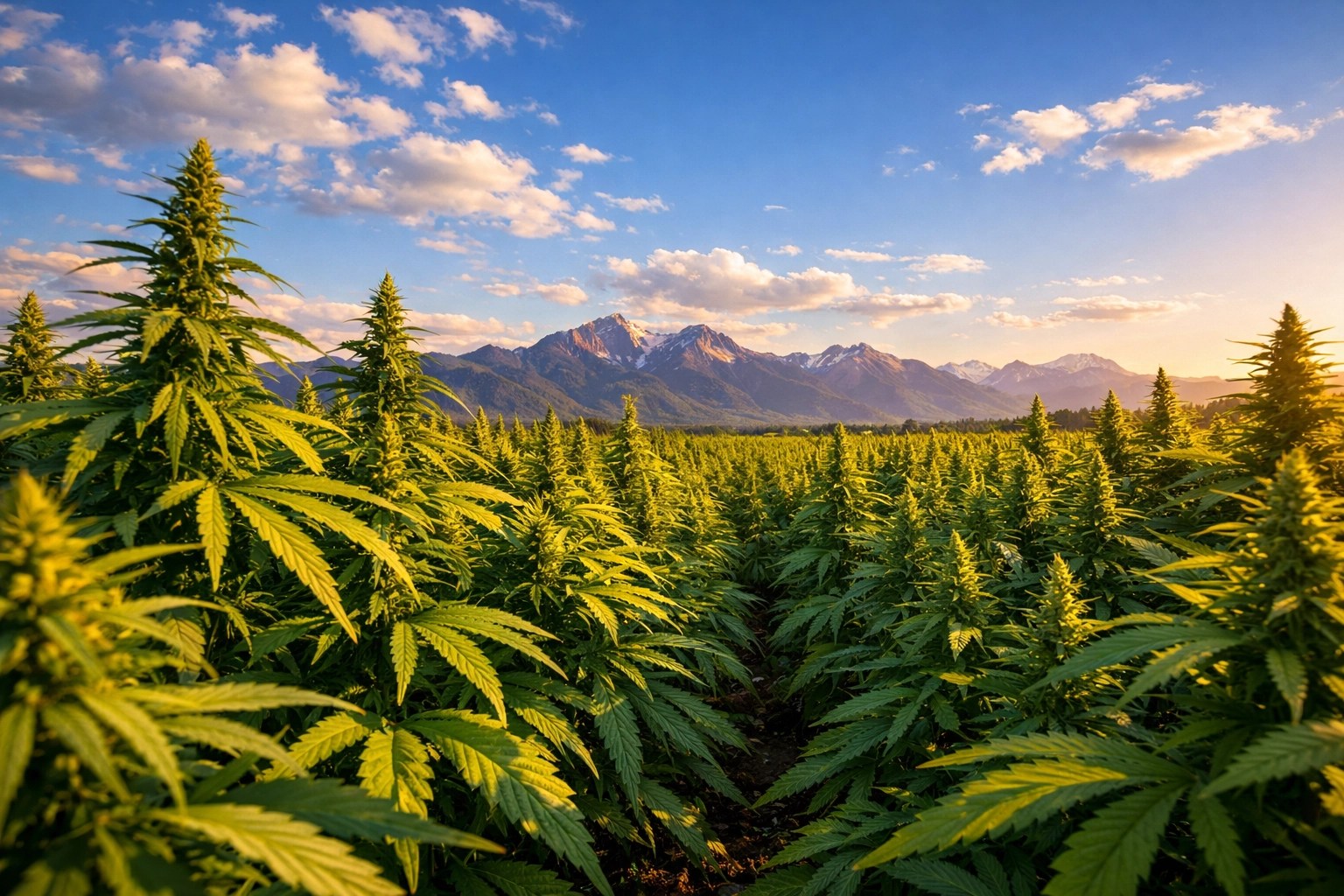
Here's where things get really interesting. Hemp is one of the fastest-growing plants on the planet. It reaches maturity in just 3-4 months and requires minimal water, pesticides, or fertilizers. Compare that to traditional building materials like concrete, which has a massive carbon footprint.
But hemp doesn't just have a low environmental impact, it's actually carbon negative. The hemp plant absorbs CO2 from the atmosphere as it grows. When you use that hemp in construction, you're essentially locking that carbon into your walls. One square meter of hempcrete wall can sequester approximately 35 kilograms of CO2 over its lifetime.
Traditional concrete production accounts for about 8% of global CO2 emissions. Hempcrete? It's pulling CO2 out of the air. That's not just sustainable, that's regenerative.
And here's the kicker: hempcrete is fully biodegradable at the end of its life cycle. When a traditional concrete building is demolished, you're left with tons of waste heading to landfills. Hemp construction materials can return to the earth without leaving a toxic legacy.
Performance Benefits You Can Feel
Sustainability is great, but let's talk about what really matters to homeowners: how does it perform?
Hempcrete excels at thermal regulation. Its high thermal mass means it absorbs heat during the day and releases it slowly at night, keeping your home comfortable year-round. In Denver's climate, where you might need heat in the morning and AC by afternoon, this natural temperature regulation is a game-changer.
The material is also incredibly breathable. Unlike traditional insulation that can trap moisture and lead to mold problems, hempcrete allows water vapor to pass through while still providing excellent insulation. This breathability creates a healthier indoor environment and prevents the moisture issues that plague many Colorado homes.
Sound insulation? Hempcrete walls are naturally sound-dampening, creating quieter indoor spaces. If you live near a busy Denver street or under a flight path, you'll notice the difference.
And here's something most people don't think about: pest resistance. Hempcrete's high pH (thanks to the lime binder) makes it naturally resistant to insects and rodents. No termites, no problems.
The Farris GC Approach to Hemp Construction
At Farris General Contracting, we don't jump on trends just because they're trendy. We've spent the last year researching hemp construction, attending workshops, connecting with experienced hemp builders, and understanding the unique challenges of working with this material in Colorado's climate.
Our commitment to quality craftsmanship means we're not going to offer hemp builds until we know we can do them right. We're taking the time to understand proper installation techniques, moisture management, and how to integrate hempcrete with traditional framing methods.
We're also working directly with local hemp suppliers to ensure we're getting quality materials that meet our standards. Remember those three principles we mentioned earlier? They apply to every project we take on, whether it's traditional construction or cutting-edge hemp builds.
What's Coming in This Series
This is just the beginning. Over the next four posts, we'll dive deeper into specific aspects of hemp construction:
Part 2 will explore the construction process itself, how hemp builds differ from traditional methods and what you can expect during your project timeline.
Part 3 will break down the costs and long-term value of hemp construction. Yes, we're going there with real numbers and honest comparisons.
Part 4 will cover the practical considerations for Denver homeowners, including permits, regulations, and design options.
Part 5 will showcase real-world applications and what the future holds for hemp construction in Colorado.
Ready to Explore Sustainable Building?
Hemp construction represents more than just a new building method: it's a shift in how we think about our homes and their impact on the world around us. It's about building structures that don't just last for generations, but that actively contribute to a healthier planet.
At Farris General Contracting, we're excited to be at the forefront of this movement in Denver. Whether you're planning a new build, an addition, or a major remodel, we'd love to talk with you about how sustainable building methods might fit your project.
Don't forget to check out our work to see the quality craftsmanship that goes into every Farris GC project. And stay tuned for Part 2 of this series, where we'll roll up our sleeves and get into the nuts and bolts of the hemp construction process.
Have questions about hemp builds or sustainable construction in general? Reach out to us. We love talking about this stuff, and we're here to help you make informed decisions about your construction project.
Building better, one sustainable project at a time( that's the Farris GC way.)