
If you're looking for ways to maximize your property's earning potential, an ADU might be exactly what you need. These secondary dwelling units are transforming how homeowners think about their real estate investments, offering multiple income streams and impressive returns that go far beyond traditional home improvements.
Let's walk through the key financial advantages that make ADUs such a smart investment for homeowners in Denver and Southern California.
Generate Immediate Rental Income
The most obvious financial benefit of building an ADU is the rental income it can provide right away. Whether you choose to rent it out long-term to a steady tenant or list it on short-term rental platforms, your ADU becomes a revenue-generating asset from day one.
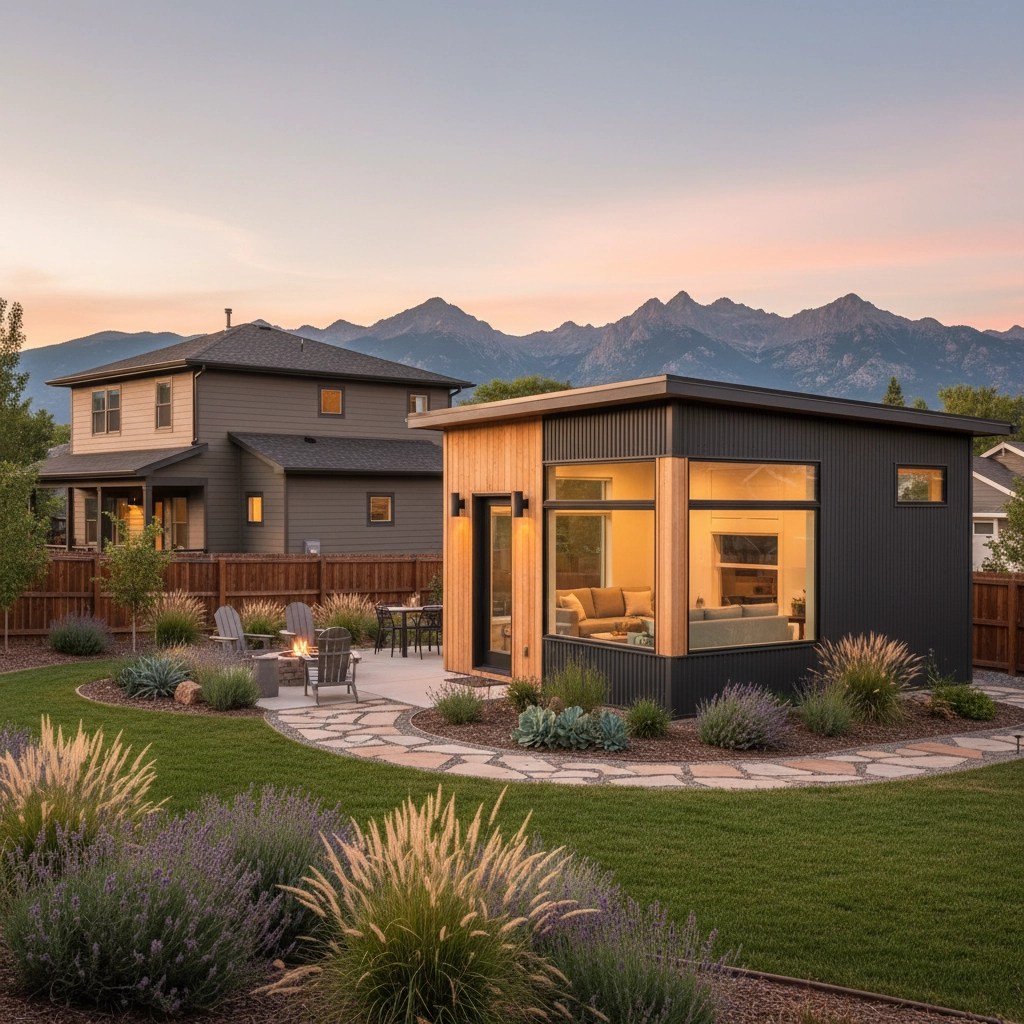
Long-term rentals offer predictable monthly income that can help cover your mortgage payments, property taxes, and maintenance costs. Many homeowners find that their ADU rental income essentially allows their property to pay for itself. Short-term vacation rentals often command higher nightly rates, especially if you're in a desirable location or near popular attractions.
The beauty of ADUs is that they typically rent for premium rates compared to traditional apartments. Tenants appreciate the privacy, independence, and quieter living environment that comes with a separate dwelling unit. This translates to lower vacancy rates and more reliable income for you as the property owner.
Boost Your Property Value Significantly
Here's where things get really interesting from a financial standpoint. Studies show that ADUs can add up to 35% to your home's overall value, with some markets seeing even higher increases. That's substantial equity growth that benefits you whether you stay in your home long-term or decide to sell.
When potential buyers look at properties with existing ADUs, they see immediate earning potential. Your home stands out in the market because it offers something most properties don't – built-in income generation. This competitive advantage often leads to faster sales and higher offers when you're ready to move.
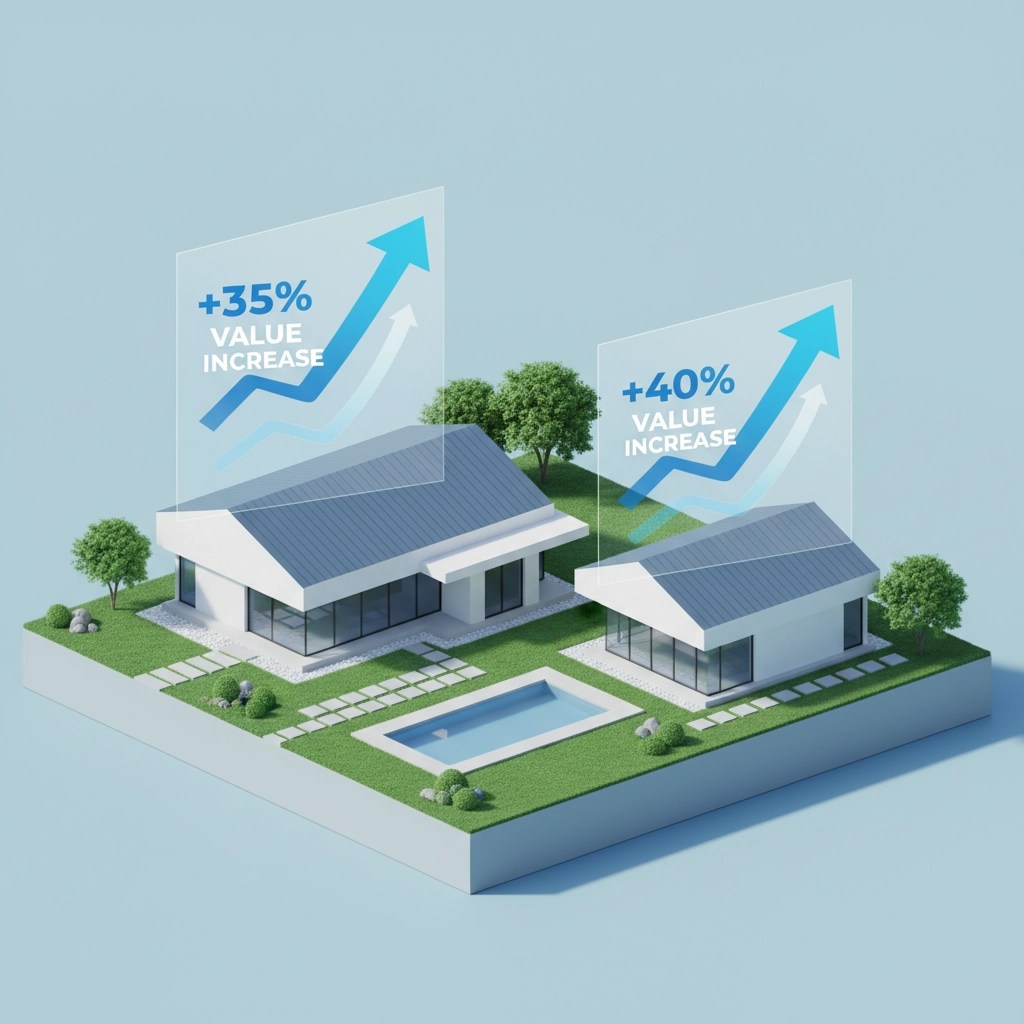
The increased property value isn't just theoretical either. Real estate appraisers factor in the ADU's rental potential when determining your home's worth, which can be particularly valuable if you need to refinance or take out a home equity loan down the road.
Smart Solutions for Family Housing Costs
ADUs offer incredible financial benefits when it comes to housing family members. Instead of helping adult children pay expensive rent elsewhere, they can live in your ADU at below-market rates while saving for their own home purchase. You still generate income, but you're also helping family build financial stability.
For aging relatives, the savings can be even more dramatic. Assisted living facilities typically cost between $5,000 and $14,000 per month. By housing a parent or grandparent in your ADU, you can save tens of thousands annually while keeping loved ones close and ensuring they receive proper care.
This arrangement works particularly well because it provides independence for family members while giving you peace of mind and supplemental income. It's a win-win situation that strengthens family bonds and financial security.
Create a Flexible Retirement Income Strategy
ADUs offer unique opportunities for retirement planning that many homeowners haven't considered. As you approach retirement, you have several options that can significantly impact your financial comfort.
One popular strategy is downsizing within your own property. You can move into the smaller ADU and rent out your main house, potentially generating enough income to cover all your living expenses and more. This approach lets you age in place while maximizing your property's income potential.
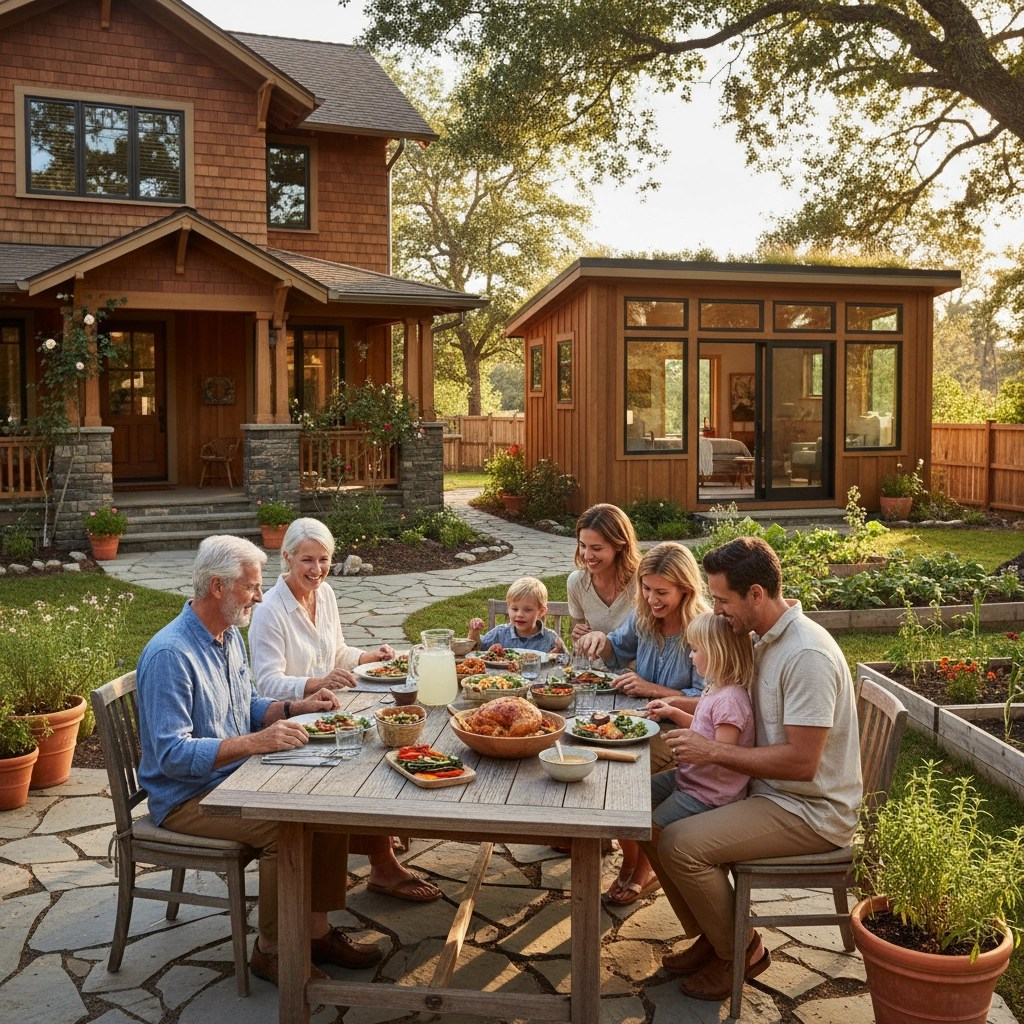
Alternatively, you can continue living in your main home and rely on steady ADU rental income to supplement your retirement funds. Either way, you're creating passive income that doesn't require you to manage complex investments or worry about market volatility.
Take Advantage of Tax Benefits
When you use your ADU as a rental property, you may qualify for various tax deductions that can improve your overall return on investment. Depending on your location and tax situation, you might be able to deduct expenses related to:
- Property depreciation
- Maintenance and repairs
- Property management costs
- Utilities and insurance
- Marketing and advertising expenses
These deductions can significantly reduce your tax liability while you're generating rental income. It's worth consulting with a tax professional to understand exactly how ADU ownership might benefit your specific situation, but the potential savings often make the investment even more attractive.
Cost-Effective Construction Approach
Compared to buying additional investment property, building an ADU is remarkably cost-effective. You already own the land, so you're not paying for expensive real estate acquisition. You're also avoiding many infrastructure costs like new utility connections, structured parking, or elevator installations.
Construction costs typically range from $60,000 to $400,000, depending on size, features, and local requirements. While the per-square-foot cost might be higher than larger construction projects, the total investment remains manageable for most homeowners.

You also have multiple financing options available, including home equity loans, construction loans, and specialized ADU financing programs. Some lenders even offer products specifically designed for ADU construction, recognizing the strong return potential these projects offer.
Understanding Your Return on Investment
The numbers on ADU investments are compelling when you consider all the financial benefits working together. You're generating rental income while building equity through property appreciation. You're also creating flexible housing options that can save money on family care costs.
Most homeowners find that their ADU pays for itself within 10-15 years through rental income alone. When you factor in property value increases and potential tax benefits, the return becomes even more attractive. Plus, you're creating a tangible asset that will continue generating income and value for decades.
The key is thinking about your ADU as a long-term investment rather than just a home improvement project. You're essentially creating your own small-scale real estate business with minimal risk and maximum flexibility.
Regional snapshot: Denver and Southern California
Here’s a quick, plain-English look at what we’re seeing in both regions. Use these ranges as a starting point, then verify with fresh comps and your city’s rules.
Denver: what the numbers look like
- Market backdrop
- Citywide ADUs: As of December 2024, Denver allows ADUs in all residential areas, which has simplified planning and broadened where you can build.
- Demand: Strong for well-designed 1–2 bedroom units near transit, parks, and neighborhood retail.
- Typical long-term rents for new, well-finished ADUs
- Studio: $1,300–$1,700 per month
- 1-bedroom: $1,700–$2,200 per month
- 2-bedroom: $2,200–$2,800 per month
- Short- and medium-term rentals
- Denver requires short-term rentals to be tied to your primary residence. Many owners favor 30+ day “medium-term” leases for simplicity and steady income. Furnished 30+ day rentals can land in the $2,200–$3,200 range depending on neighborhood and season.
- Incentives you can stack
- Denver Climate Action (CARe) rebates: Commonly available for heat pumps, heat pump water heaters, and electrical panel upgrades; funding levels and timelines change, so apply early.
- Colorado Home Energy Rebates (state HEAR/HER programs): Income-based rebates for electrification and efficiency improvements.
- Colorado Heat Pump Tax Credit: Point-of-sale discounts on qualifying heat pumps and heat pump water heaters through registered contractors.
- Xcel Energy rebates: Additional utility rebates for qualifying equipment.
- Federal tax credits (25C): Up to $2,000 for heat pumps/HPWHs, plus other efficiency credits.
- Example ROI (simple, for ballparking)
- Build: 750 sq. ft. detached ADU all-in cost: $200k–$250k (site work, utilities, finishes vary).
- Rent: ~$2,000/month long-term.
- Back-of-napkin: With modest vacancy and typical operating expenses, payback often lands around 12–14 years on rent alone. Rebates/tax credits can knock thousands off your upfront cost. Many appraisers and brokers also see meaningful resale premiums for homes with permitted ADUs, commonly in the 15–25% range depending on neighborhood and condition.
Southern California: what the numbers look like
- Market backdrop
- Statewide ADU laws have streamlined approvals since 2017, and many cities now offer pre-approved plans that cut time and soft costs.
- San Diego’s ADU Bonus Program can unlock additional market-rate ADUs when you include a deed-restricted affordable ADU—on suitable lots, this can materially boost returns.
- Typical long-term rents (neighborhoods vary widely)
- Los Angeles County
- 1-bedroom: $2,100–$2,900 per month
- 2-bedroom: $2,700–$3,600+ per month
- San Diego County
- 1-bedroom: $2,000–$2,700 per month
- 2-bedroom: $2,600–$3,400+ per month
- Los Angeles County
- Short- and medium-term rentals
- Many SoCal cities restrict rentals under 30 days. Medium-term (30–90 day) furnished rentals to travel nurses and corporate clients can be a solid middle ground.
- Incentives and time-savers
- Utility rebates for efficient equipment: Programs through LADWP, SCE, and SDG&E often support heat pump water heaters and other electrification upgrades; statewide programs like TECH Clean California can add contractor incentives that show up as discounts on your bid.
- Pre-approved ADU plans (e.g., Los Angeles County, San Diego): These can reduce design costs and shorten permitting—time saved = money saved.
- Periodic local fee caps or reductions: Some cities offer reduced or standardized ADU fees—check your city’s current policy before you submit plans.
- Example ROI (simple, for ballparking)
- Build: 800 sq. ft. detached ADU: $275k–$350k typical; coastal/hillside or complex sites trend higher.
- Rent: $2,600–$3,200/month in many neighborhoods.
- Back-of-napkin: Roughly 11–15 years payback on rent alone. Stacking utility rebates and federal credits improves the picture. If your San Diego lot qualifies under the ADU Bonus Program, adding units can materially lift total income and spread fixed costs across multiple doors.
Quick tips to validate your numbers
- Pull 5–10 current rent comps (Zillow, Apartments.com, Furnished Finder for 30+ day stays) that match your size, finishes, and parking situation.
- Confirm short-term rental rules on your city’s website—these policies meaningfully affect income strategy.
- Ask your utility and contractor to pre-qualify you for rebates before you finalize scope.
- Do a pre-application zoning check so setbacks, height, and utility capacity don’t surprise your budget later.
Numbers change, so think of this as your starter playbook. We’re happy to help you pressure-test assumptions and fine-tune a plan that fits your lot and goals.
Getting Started with Your ADU Project
Ready to explore the financial potential of an ADU on your property? The first step is understanding what's possible within your local zoning requirements and budget. Every property is different, and the best ADU design depends on your specific goals, whether that's maximizing rental income, housing family members, or planning for retirement.
At Farris General Contracting, we've helped Denver homeowners navigate the entire ADU process, from initial feasibility studies through final construction. We understand the local requirements and can help you design an ADU that maximizes both your property value and rental income potential.
The financial benefits of ADU ownership continue long after construction is complete. You're creating multiple income opportunities while building equity in a tangible asset you can see and control. In today's economy, that combination of steady income and property appreciation makes ADUs one of the smartest investments homeowners can make.
Don't wait to start exploring your options. Contact us today to discuss how an ADU could transform your property's financial potential and provide the income flexibility you're looking for.