
The Denver Metro area is experiencing an ADU boom, and homeowners are taking notice of the impressive returns these investments are generating. With rental demand at historic highs and new regulations making ADU construction easier than ever, 2025 is shaping up to be a pivotal year for accessory dwelling unit investments.
The Numbers Don't Lie: ADU Property Value Impact
When you add an ADU to your Denver property, you're not just creating extra space, you're making a strategic investment that can boost your home's value by 20-35%. That's significantly higher than most traditional home improvements, and the appreciation often exceeds the initial construction investment.
Here's what makes ADUs so valuable: they're essentially adding a complete living unit to your property. Unlike a kitchen remodel or bathroom upgrade, an ADU creates an entirely new income stream while increasing your total livable square footage. This dual benefit is what drives the substantial property value increases we're seeing across the Denver Metro area.
The exact appreciation depends on several key factors. Location within Denver plays a huge role, ADUs in sought-after neighborhoods like Capitol Hill, Highland, or RiNo typically see higher value bumps. Quality of construction matters too. Well-designed ADUs with modern finishes, proper insulation, and energy-efficient appliances can push property value increases to the upper end of that 20-35% range.
Rental Income Potential in Denver's Hot Market
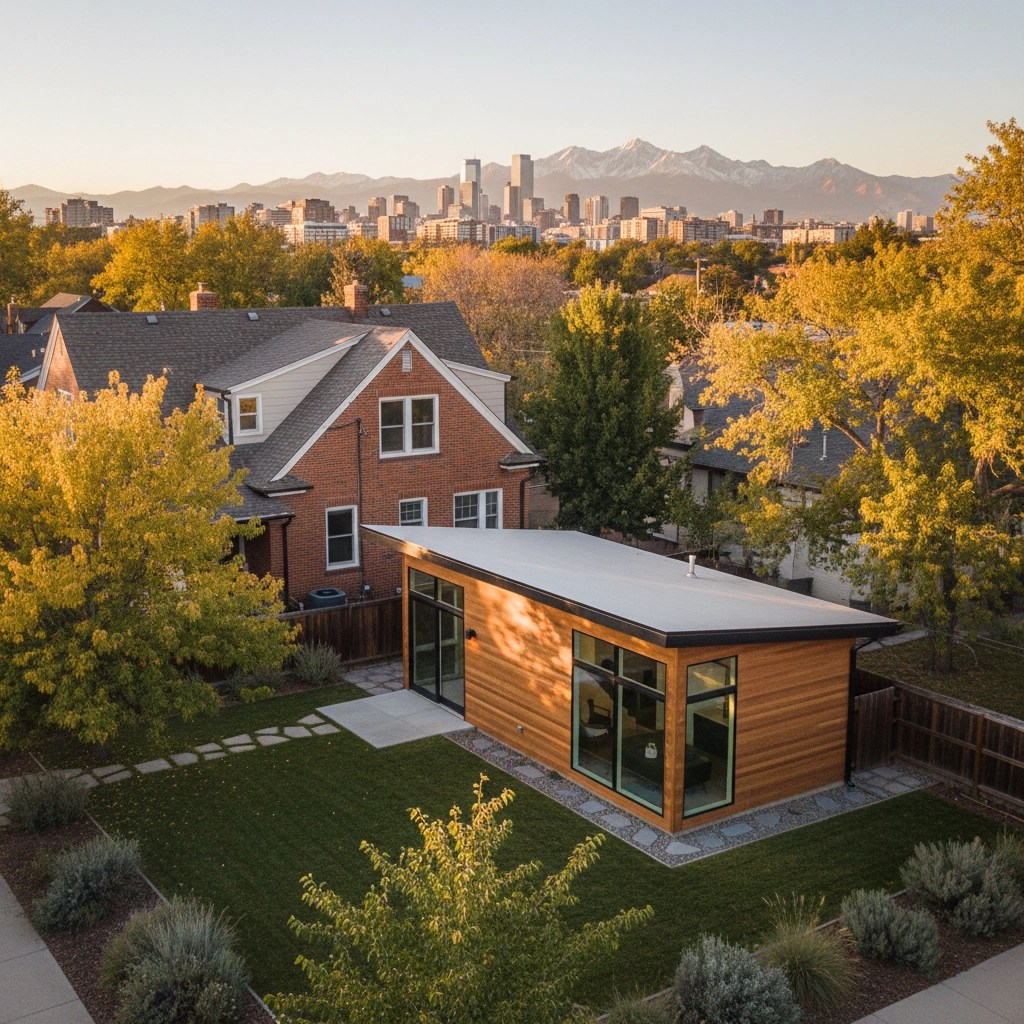
The rental income potential for Denver ADUs is where things get really exciting. Current market data shows that well-positioned ADUs in the Denver area can generate anywhere from $1,500 to $4,000 per month in rental income, depending on size, location, and amenities.
A typical one-bedroom ADU in Denver brings in $1,500-$2,000 monthly, while larger units or those in premium locations can command $2,500-$4,000. That rental income can cover a significant portion of your mortgage, fund future property improvements, or simply provide a steady income stream for retirement planning.
What's driving these strong rental rates? Denver's housing shortage continues to push demand for quality rental units. Young professionals, empty nesters, and families all compete for well-located housing, and ADUs often provide the perfect solution, private, well-appointed, and typically more affordable than comparable apartments.
Construction Costs: What to Expect in Today's Market
Let's talk real numbers. Building an ADU in the Denver Metro area typically costs between $150,000 and $350,000, with most projects landing in the $200,000-$300,000 range. Yes, that's a significant investment, but when you break down the math, the returns are compelling.
Several factors influence where your project falls in this cost range. Site preparation can add substantial expense, especially if you need utility connections, foundation work, or significant grading. The size and complexity of your ADU design also impact costs: a simple 600-square-foot unit will cost considerably less than a 1,200-square-foot unit with high-end finishes.
Material costs remain elevated compared to pre-2020 levels, but they've stabilized from the wild swings we saw in 2021-2022. Labor availability has improved, though skilled contractors are still in high demand. The key is working with experienced contractors who understand ADU construction and can help you maximize value while controlling costs.
ROI Calculation: Making the Investment Case
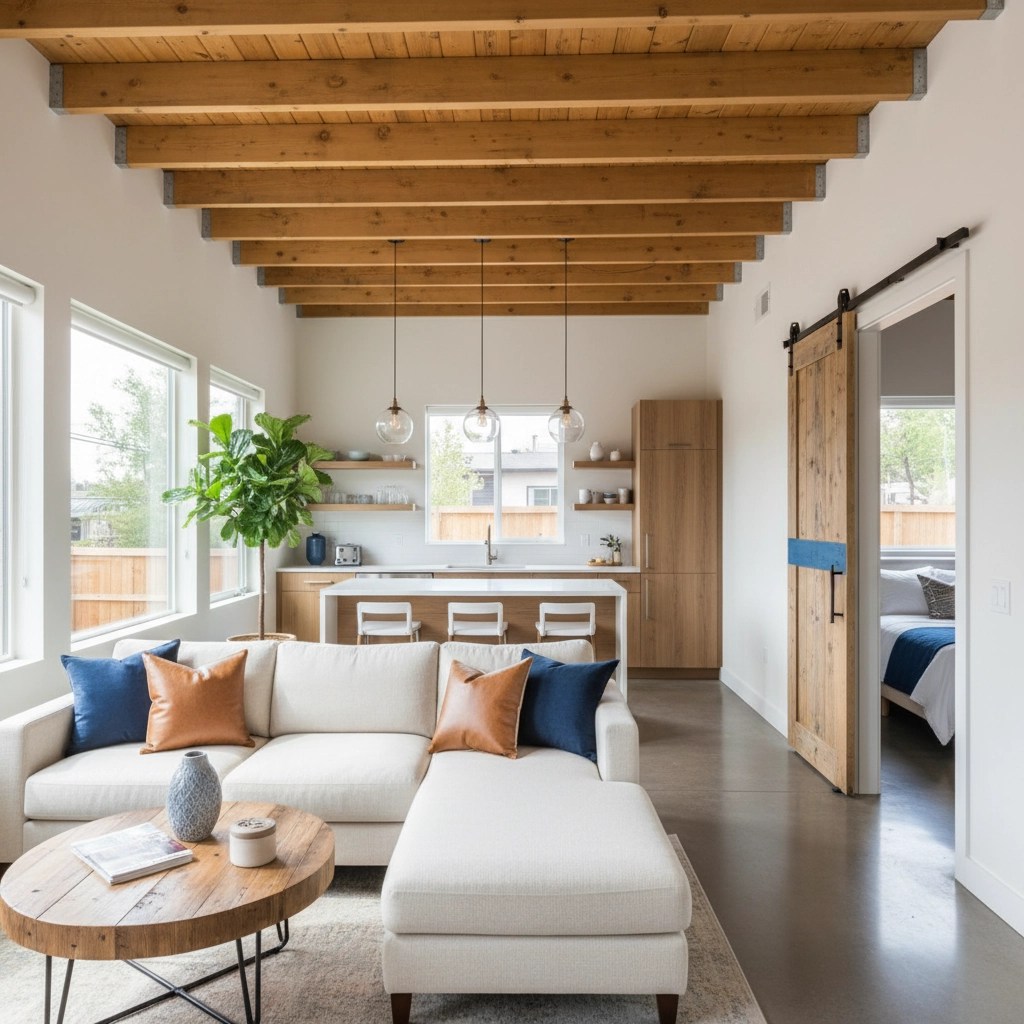
Here's how to think about ADU ROI in practical terms. Let's say you invest $250,000 in a well-designed ADU that increases your property value by $300,000. That's an immediate 20% return on investment before you even consider rental income.
Now add the rental income component. At $1,750 per month (a conservative estimate for Denver), you're generating $21,000 annually. That's an 8.4% cash-on-cash return on your $250,000 investment. Combined with the property appreciation, your total return becomes quite attractive.
The payback period typically ranges from 8-12 years when you factor in both rental income and property value increase. However, many Denver homeowners find that the monthly rental income covers their ADU construction loan payments, essentially making the improvement "pay for itself" over time.
Detached vs. Attached: Which Makes More Sense?
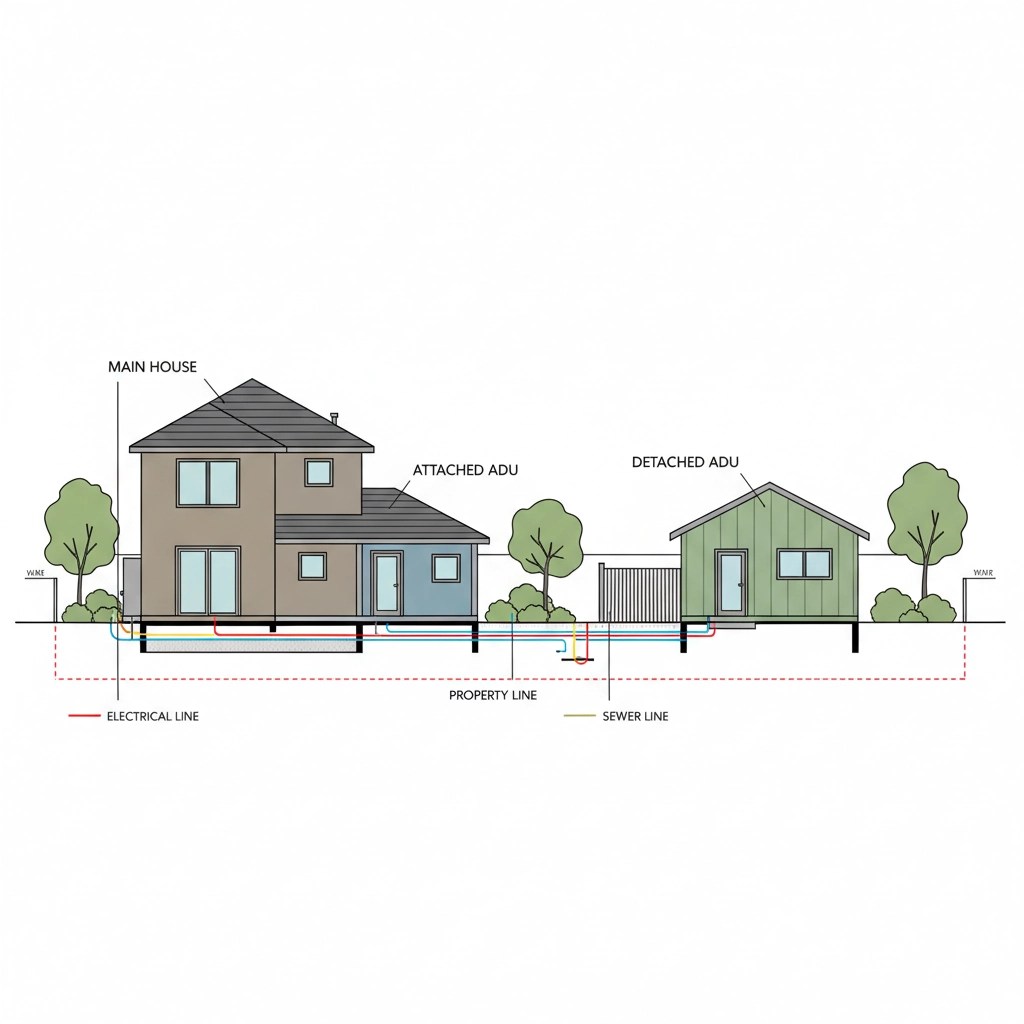
You have two primary options for your Denver ADU: detached or attached. Each has distinct advantages depending on your goals and property characteristics.
Detached ADUs offer maximum privacy and flexibility. They typically command higher rental rates because tenants value the independence of a separate structure. From a property value perspective, detached ADUs often generate higher appraisals because they increase your total livable square footage without impacting the main house layout.
Attached ADUs share a wall or space with your primary residence, which reduces construction costs significantly. You're leveraging existing foundation, utilities, and structural elements, which can save $50,000-$100,000 compared to detached construction. However, attached units may have size limitations based on local zoning requirements and typically offer less privacy for both you and your tenants.
Regulatory Tailwinds Supporting ADU Investment
The regulatory environment for ADUs in Denver has never been more favorable. In late 2024, Denver City Council passed the Citywide Accessory Dwelling Units measure, allowing ADUs in all residential areas of the city. This removes previous zoning restrictions that limited ADU development to specific neighborhoods.
At the state level, Colorado now requires municipalities to allow ADUs in single-family residential zones, with compliance required by June 30, 2025. This creates a supportive environment for ADU development and helps ensure that your investment won't face future regulatory roadblocks.
These regulatory changes also suggest continued strong demand for ADU rentals. As more areas open up to ADU development, the increased housing supply helps address Denver's housing shortage while creating new investment opportunities for homeowners.
Market Challenges and How to Navigate Them
While the ADU market is strong, there are challenges to consider. Construction costs, while stabilized, remain elevated compared to historical levels. Permitting processes, though improving, can still add 2-4 months to your project timeline.
Material availability has improved significantly from the supply chain disruptions of 2020-2022, but certain specialty items may still have extended lead times. This is why working with experienced contractors who understand supply chain management becomes crucial.
Labor availability is another consideration. Skilled trades are in high demand across Denver, which can impact both costs and timelines. The best strategy is to plan early and work with contractors who have established relationships with reliable subcontractors.
2025 Market Outlook
Looking ahead, the fundamentals supporting ADU investment in Denver remain strong. Population growth continues to outpace housing supply, keeping rental demand elevated. Interest rates, while higher than recent historic lows, appear to be stabilizing, which supports both construction financing and property values.
Denver's commitment to increasing housing density through zoning reforms creates a supportive long-term environment for ADU investment. The city recognizes ADUs as an important tool for addressing housing affordability while allowing homeowners to build wealth.
For homeowners considering an ADU investment in 2025, the combination of strong rental demand, supportive regulations, and demonstrated property value increases makes a compelling case. The key is careful planning, working with experienced contractors, and understanding your specific property's potential.
Ready to explore how an ADU could work on your property? The time to start planning is now, as the best contractors book up months in advance and the permitting process takes time to navigate properly.