
If you're a Denver homeowner thinking about adding an Accessory Dwelling Unit (ADU) to your property, you're probably wondering what it'll actually cost you. With housing costs through the roof and construction materials still feeling the pinch from recent market volatility, getting a straight answer on ADU pricing can feel impossible.
Let's cut through the confusion and break down exactly what you can expect to invest in an ADU project in the Denver Metro area this year.
The Real Numbers: What ADUs Actually Cost in Denver
Here's the reality: most ADU projects in Denver fall between $180,000 and $450,000, but don't get too comfortable with that lower number. Based on what we're seeing across the metro area, most homeowners end up spending closer to the middle or upper end of that range.
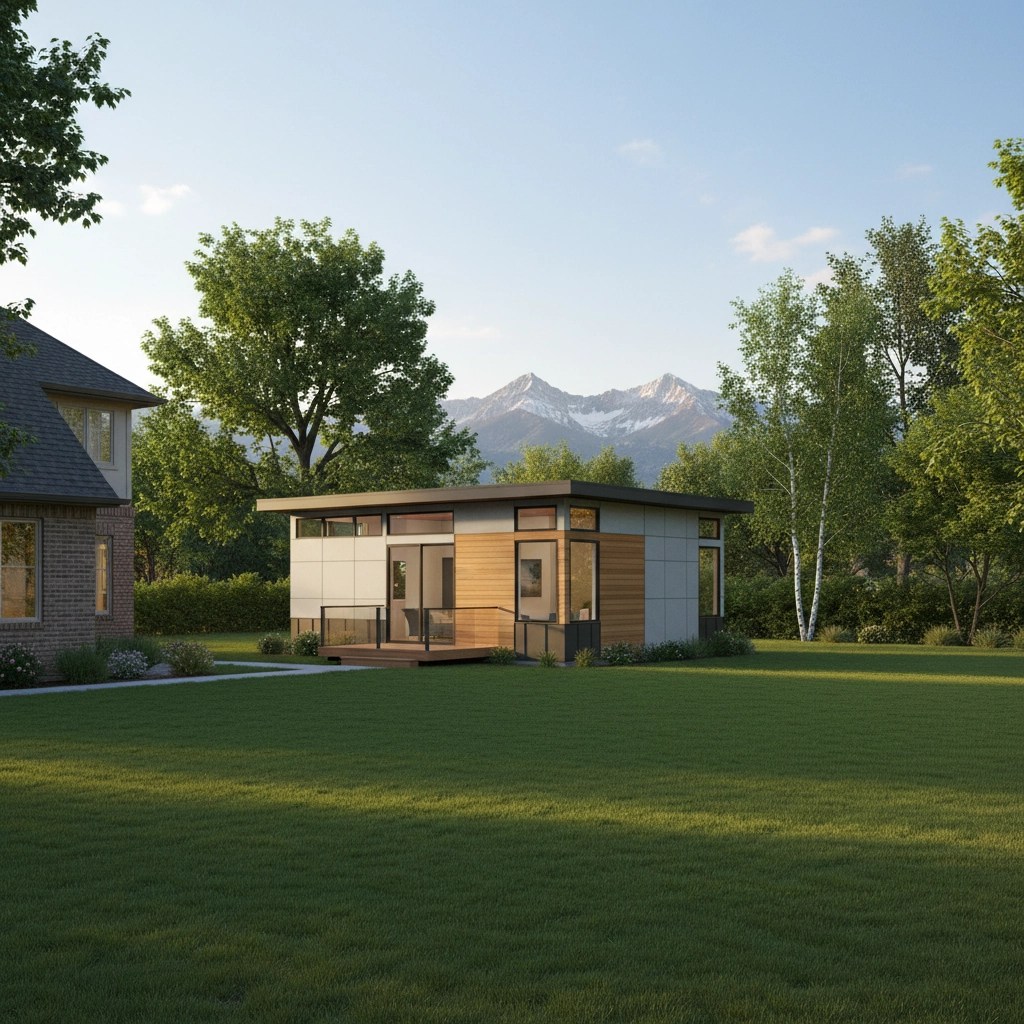
The wide range isn't just builders trying to confuse you: it reflects genuine differences in what you're building and how you're building it. A converted garage ADU will cost significantly less than a brand-new detached unit with all the bells and whistles.
Breaking It Down by Size
Your ADU's size directly impacts your bottom line, but maybe not in the way you'd expect. Here's what different sized units typically cost in Denver:
Compact Units (400-600 sq ft): $250,000 – $320,000
Standard Units (600-850 sq ft): $320,000 – $400,000
Spacious Units (850-1,000+ sq ft): $400,000 – $450,000+
Notice something? The cost doesn't scale proportionally with size. That's because every ADU needs the same basic expensive components: a kitchen, bathroom, electrical connections, and permits: regardless of square footage.
The Per-Square-Foot Reality Check
Most Denver ADU projects cost between $400 and $550 per finished square foot. This puts ADU construction at a premium compared to typical home additions, mainly because you're essentially building a complete miniature house with all the systems and requirements that entails.
Don't let anyone sell you on dramatically lower per-square-foot costs: those numbers usually leave out critical expenses or use unrealistic assumptions about project scope.
What's Really Driving Your Costs Up
Several factors can make or break your ADU budget in Denver:
Utility Connections and Upgrades
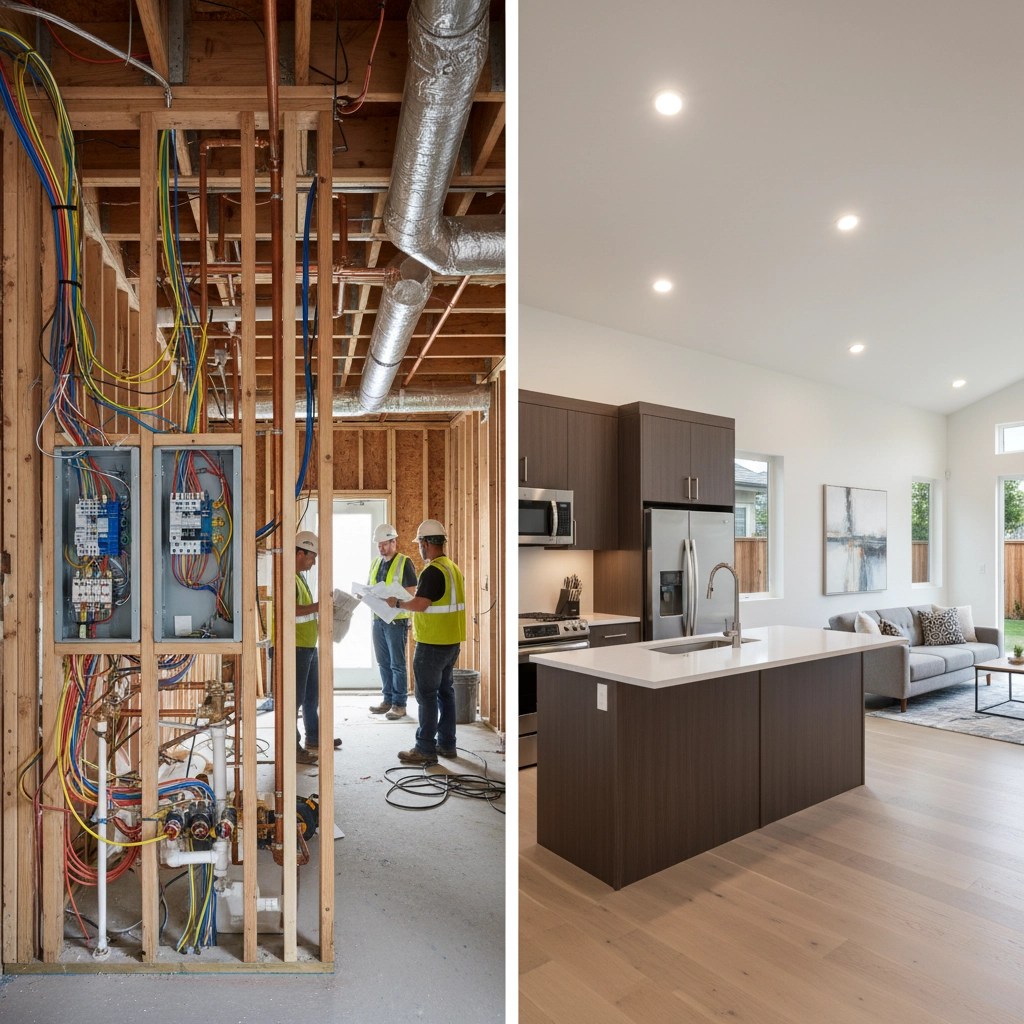
Getting water, sewer, and electrical service to your new ADU often requires expensive infrastructure work. New water and sewer tap fees alone can run $10,000 or more. If your main electrical panel needs upgrading to handle the additional load, add several thousand more to your budget.
Foundation and Site Work
Denver's climate means dealing with frost lines, potential soil issues, and snow load requirements that affect foundation design. Site preparation costs vary dramatically based on your lot's accessibility and existing conditions.
Design Complexity
Want vaulted ceilings? Custom architectural features? High-end finishes? Each upgrade adds substantial cost. The most budget-friendly ADUs stick to simple, rectangular layouts with standard ceiling heights and readily available materials.
Regulatory Requirements
Denver's zoning requirements, setback rules, and building codes aren't optional. Older homes may need lead or asbestos abatement before construction can begin, adding unexpected expenses.
The Permit Puzzle: Hidden Costs Add Up Fast
Don't underestimate permitting costs: they can easily hit $5,000 to $6,000 before you break ground. Denver requires multiple permits and fees:
- Building permits based on project valuation
- Site Development Plan (SUDP) permits at $632 each
- Zoning and forestry review fees
- Affordable housing impact fees
- Survey and engineering report costs
One permit category that catches many homeowners off guard: if you're building a detached ADU, you may need separate SUDP permits for both your main house and the new unit, potentially doubling certain fee categories.
Financing Your ADU Project
The good news? You have several financing options to make your ADU project happen:
Home Equity Line of Credit (HELOC)
Often the most cost-effective option, letting you borrow against your home's existing equity at relatively low interest rates.
Cash-Out Refinance
If mortgage rates work in your favor, refinancing for a higher amount can provide construction funds while potentially improving your overall loan terms.

Construction Loans
Purpose-built for building projects, these loans convert to permanent financing once construction is complete.
Colorado ADU Grant Program
New this year, Colorado established a $5 million grant program for qualifying homeowners. While funding is limited, it's worth exploring if you meet the income requirements.
Smart Strategies to Control Costs
You can't avoid the major expenses, but you can make choices that keep your project reasonable:
Keep the Design Simple
Rectangular layouts cost less than complex shapes. Standard ceiling heights are cheaper than vaulted ceilings. Every custom element adds cost and complexity.
Choose Your Battles on Finishes
Decide which upgrades matter most to you and stay standard on everything else. Premium appliances and fixtures can easily add $15,000-$25,000 to your project.
Consider Conversion vs. New Construction
Converting existing space (garage, basement) typically costs less than building from scratch, though you'll still need to meet current building codes.
Plan for Utilities Early
Understanding your utility connection requirements upfront helps avoid surprises. Sometimes relocating your planned ADU by just a few feet can save thousands in utility costs.
The ROI Reality for Denver ADUs
With construction costs where they are, your ADU needs to pencil out financially. Most Denver ADUs rent for $1,200 to $2,500 monthly, depending on size and location. At current construction costs, you're looking at:
- Break-even timeline: 8-15 years for rental income alone
- Property value increase: Typically 20-30% of construction cost
- Long-term benefits: Rental income, property value, family flexibility
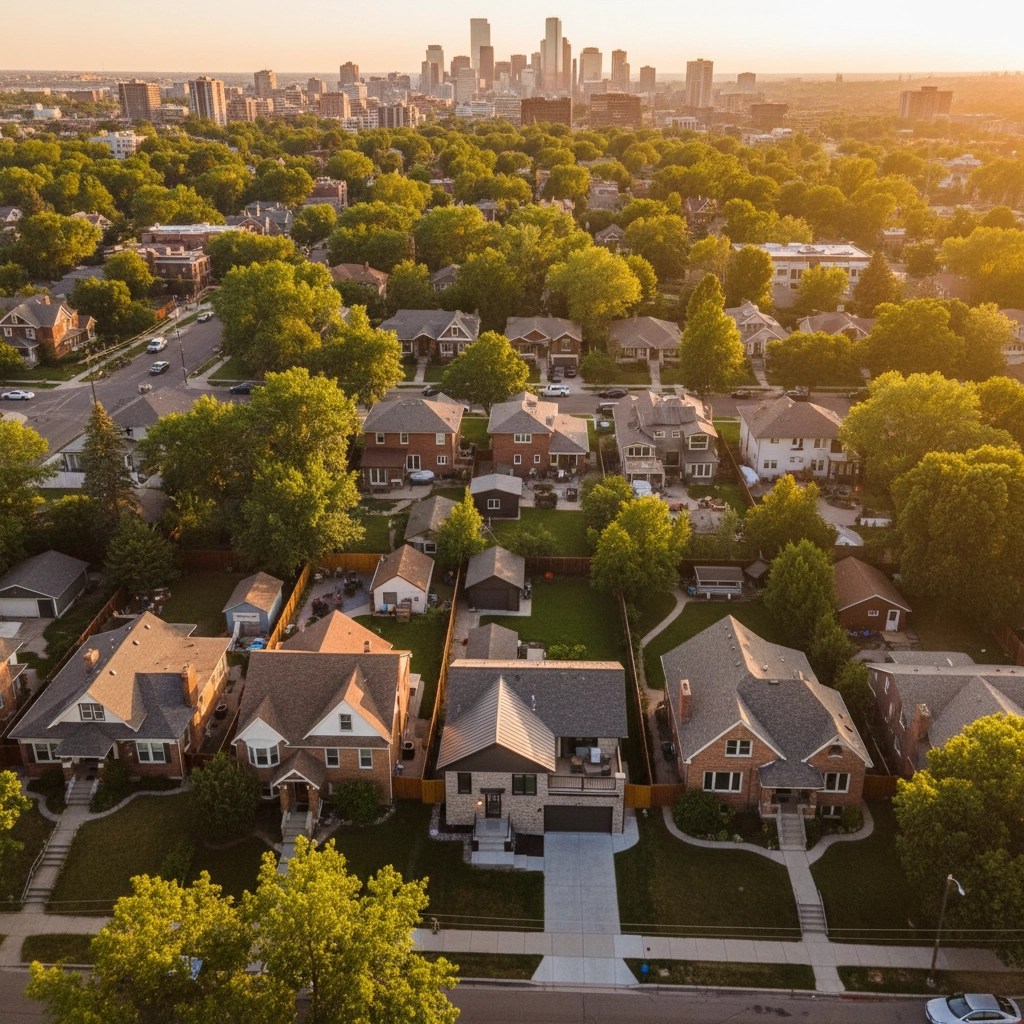
The math works best when you factor in multiple benefits: rental income, increased property value, and the flexibility to house family members or use the space yourself.
Planning Your Budget Realistically
Based on current market conditions in Denver, here's how to approach ADU budgeting:
- Start with $300,000 as your baseline assumption for a quality 600-800 sq ft ADU
- Add 15-20% for contingencies and change orders
- Factor in soft costs like design fees, permits, and temporary housing if needed
- Plan financing early to lock in rates and understand your borrowing capacity
Working with the Right Team
ADU construction isn't a DIY project, and choosing the wrong contractor can turn an expensive project into a financial disaster. Look for contractors with specific ADU experience in Denver who understand local codes, permit processes, and utility requirements.
At Farris General Contracting, we've helped Denver homeowners navigate ADU projects from initial planning through final inspection. We understand the local market, permit requirements, and cost factors that make or break these projects.
Ready to explore whether an ADU makes sense for your property and budget? Contact us for a realistic assessment of your project's scope and investment requirements. We'll help you understand exactly what it takes to build an ADU that works for your family and your finances.