
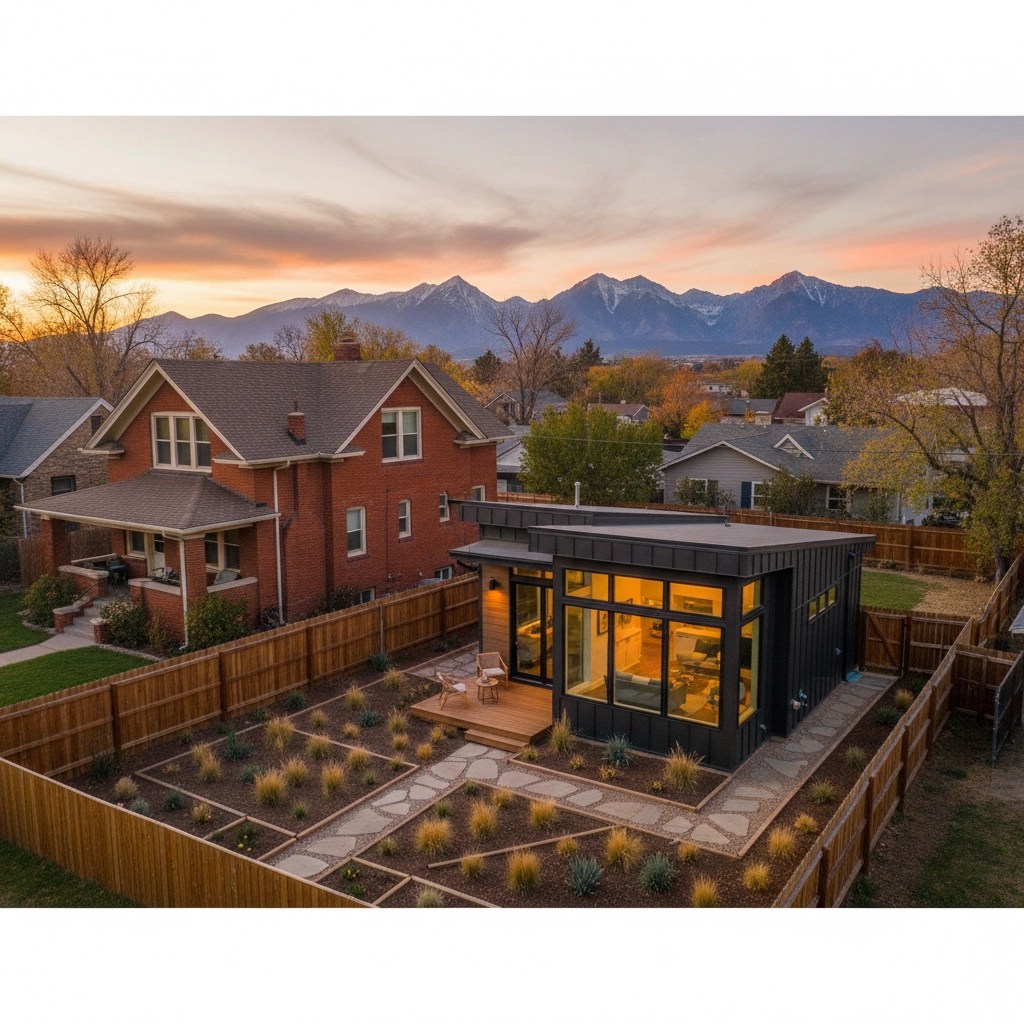
Building an Accessory Dwelling Unit (ADU) in Denver has become one of the smartest investments you can make in today's housing market. With Denver's rental market staying strong and housing inventory remaining tight, ADUs offer homeowners a unique opportunity to generate rental income while increasing property value. But let's be honest: the biggest hurdle isn't getting permits or finding a contractor. It's figuring out how to pay for it all.
The good news? Denver homeowners have more financing options than ever before, including some Colorado-specific programs that can make your ADU project surprisingly affordable. Whether you're planning a detached unit in your backyard or converting your garage, this guide will walk you through every financing option available to make your ADU dream a reality.
Understanding ADU Costs in the Denver Metro Area
Before diving into financing options, let's talk numbers. In the Denver Metro area, ADU construction typically runs between $150,000 and $400,000, depending on size, complexity, and finishes. A basic 600-square-foot detached unit might cost around $180,000, while a fully-loaded 1,200-square-foot ADU with high-end finishes could push $350,000 or more.
These costs include everything from permits and design to construction and final inspections. Denver's building costs have increased significantly, but so has rental income potential. Most Denver ADUs rent for $1,500 to $2,800 per month, making the return on investment quite attractive when you run the numbers.
Your Financing Options: From Traditional to Creative
Home Equity Line of Credit (HELOC)
A HELOC is often the most flexible option for ADU financing in Denver. You'll get a revolving credit line based on your home's equity, and you only pay interest on what you actually use. This works perfectly for construction projects since you can draw funds as needed throughout the build process.
Most Denver lenders will let you borrow up to 80% of your home's value minus your existing mortgage balance. With Denver home values averaging around $650,000, many homeowners have substantial equity to work with. The best part? HELOCs typically offer lower interest rates than personal loans or credit cards.
Home Equity Loans
If you prefer predictable monthly payments, a home equity loan might be your best bet. You'll get a lump sum upfront with a fixed interest rate and structured repayment schedule. This works well if you have a firm construction budget and want to avoid the temptation of overspending that can come with a HELOC.
Cash-Out Refinancing
With Denver's competitive mortgage market, cash-out refinancing can be an excellent option if current rates are favorable. You'll refinance your existing mortgage for more than you owe and pocket the difference for your ADU project. This strategy works best if you can secure a lower interest rate than your current mortgage or if you want to consolidate other debts.
Construction-to-Permanent Loans
These specialized loans are designed specifically for building projects like ADUs. You'll start with a short-term construction loan that converts to a traditional mortgage once the project is complete. While these loans typically have higher interest rates during construction, they offer the convenience of a single application process and closing.

Colorado and Denver-Specific ADU Programs
Here's where things get exciting for Denver homeowners. Colorado has rolled out several programs specifically designed to encourage ADU development, and some of these can significantly reduce your out-of-pocket costs.
Colorado ADU Grant Program
The state of Colorado has established grant programs that flow through local governments to support ADU development. Denver participates in these programs, offering grants and low-interest loans to qualifying homeowners. The catch? These funds often come with affordability requirements, meaning you might need to rent your ADU at below-market rates for a specified period.
Denver's ADU Accelerator Program
Denver's Office of Economic Development partners with organizations like Habitat Metro Denver to provide technical assistance and financing help for ADU projects. They can connect you with preferred lenders who understand the unique aspects of ADU financing and may offer better terms than traditional construction loans.
Affordable Housing Incentives
If you're willing to rent your ADU at affordable rates (typically 80% of Area Median Income), you might qualify for additional incentives including fee waivers, expedited permitting, and even direct financial assistance. The West Denver Renaissance Collaborative offers specific programs for homeowners in qualifying neighborhoods.
Creative Financing Solutions
Personal Loans for Smaller Projects
If you're planning a simpler ADU conversion: maybe turning your basement into a rental unit: personal loans can work for projects under $100,000. While interest rates are higher than secured loans, the application process is much faster, and you won't need to use your home as collateral.
RenoFi Loans
This newer financing option lets you borrow based on your home's future value after the ADU is built, rather than current equity. This can be a game-changer if you don't have enough equity for traditional financing but expect significant property value increases from your ADU project.

Steps to Secure Your ADU Financing
1. Get Your Financial House in Order
Start by pulling your credit reports and addressing any issues. Most lenders want to see credit scores of 680 or higher for the best rates. Gather your tax returns, pay stubs, and bank statements: you'll need all of this for any financing application.
2. Determine Your Home's Current Value
Get a realistic assessment of your home's current market value. In Denver's dynamic market, your home might be worth significantly more than when you last checked. This equity forms the foundation for most ADU financing options.
3. Shop Around for Lenders
Don't just go with your current bank. Denver has several lenders who specialize in ADU financing and understand the unique aspects of these projects. Get quotes from at least three different lenders to compare rates and terms.
4. Consider Working with ADU Specialists
Companies like Farris General Contracting work with preferred lenders who understand construction timelines and can structure financing to match your project's phases. This can save you time and potentially get you better terms.
5. Plan for Contingencies
Construction projects often run over budget. Make sure your financing plan includes a 10-20% buffer for unexpected costs. This is where HELOCs shine: you have access to additional funds if needed without having to reapply for financing.
Understanding the ROI Picture
Let's talk return on investment, because that's ultimately what makes ADU financing worthwhile. In Denver's rental market, a well-built ADU can generate $1,800 to $2,500 per month in rental income. Even if you finance the entire project, this income can cover most or all of your financing costs while building long-term wealth.
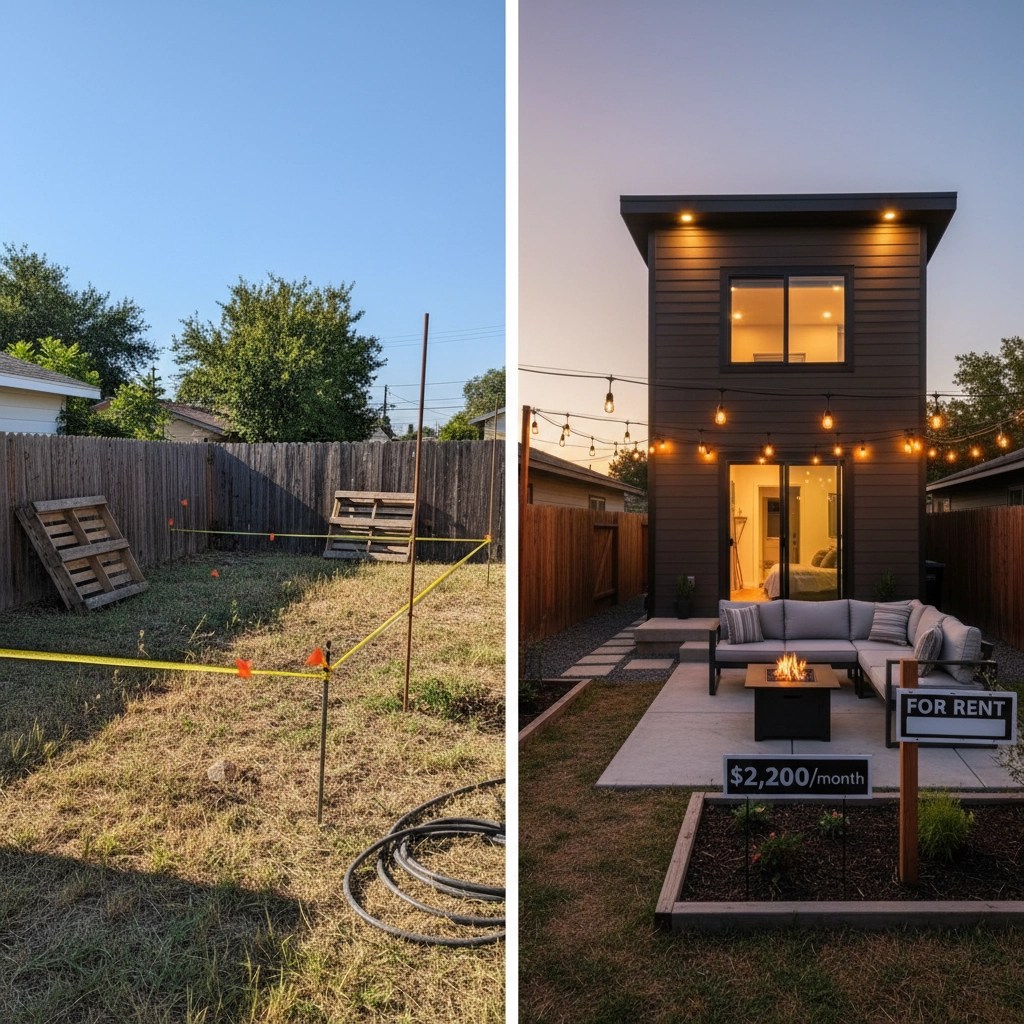
Consider this scenario: You build a $250,000 ADU using a HELOC at 7% interest. Your monthly interest payment would be around $1,458. If you rent the ADU for $2,200 per month, you're generating $742 monthly after interest payments: and that's before considering property value increases.
Getting Started: Your Next Steps
The Denver ADU market is moving fast, and financing options are constantly evolving. Your first step should be connecting with experienced professionals who understand both the construction and financing sides of ADU development.
Start by getting pre-qualified for financing so you know your budget. Then, work with a contractor who specializes in ADU projects and has relationships with ADU-friendly lenders. This team approach can streamline your project and potentially save you thousands in financing costs.
Ready to Take Action?
If you're serious about building an ADU in Denver, don't let financing concerns hold you back. The combination of strong rental demand, property value appreciation, and available financing programs makes this one of the best times to move forward with an ADU project.
Consider scheduling consultations with both ADU specialists and lenders to understand your specific options. Every homeowner's situation is unique, and the right financing strategy depends on your equity position, income, credit score, and long-term goals.
The Denver housing market isn't slowing down, and neither should your ADU plans. With the right financing strategy, your ADU project can start generating income and building wealth sooner than you might think. Take that first step and explore your options: you might be surprised at how achievable your ADU project really is.