
This is Part 2 of our 5-part series on why hiring a trustworthy contractor matters more than finding the cheapest bid. If you missed Part 1, don't worry, each post stands on its own, but together they'll give you a complete picture of what to look for in your next construction partner.
When you're planning a construction project, whether it's a home renovation, commercial build-out, or new construction, you're going to get a range of bids. Some will be high, some will be low, and a few will land somewhere in the middle. It's tempting to go with the lowest number on that list. After all, saving money sounds pretty good, right?
But here's the thing: in construction, the cheapest bid often comes with hidden costs you won't see until months or even years down the road. Today, we're diving into the difference between quality craftsmanship and corner-cutting, and why those extra dollars spent upfront can save you a whole lot of headaches later.
Why Quality Materials Actually Cost More
Let's start with materials. When you see a significantly lower bid from one contractor compared to others, one of the first questions you should ask is: what materials are they planning to use?
Quality materials cost more because they're designed to last. Premium lumber, high-grade concrete, durable roofing materials, and reliable fixtures are manufactured to stricter standards. They undergo more rigorous testing. They're sourced from reputable suppliers who stand behind their products.
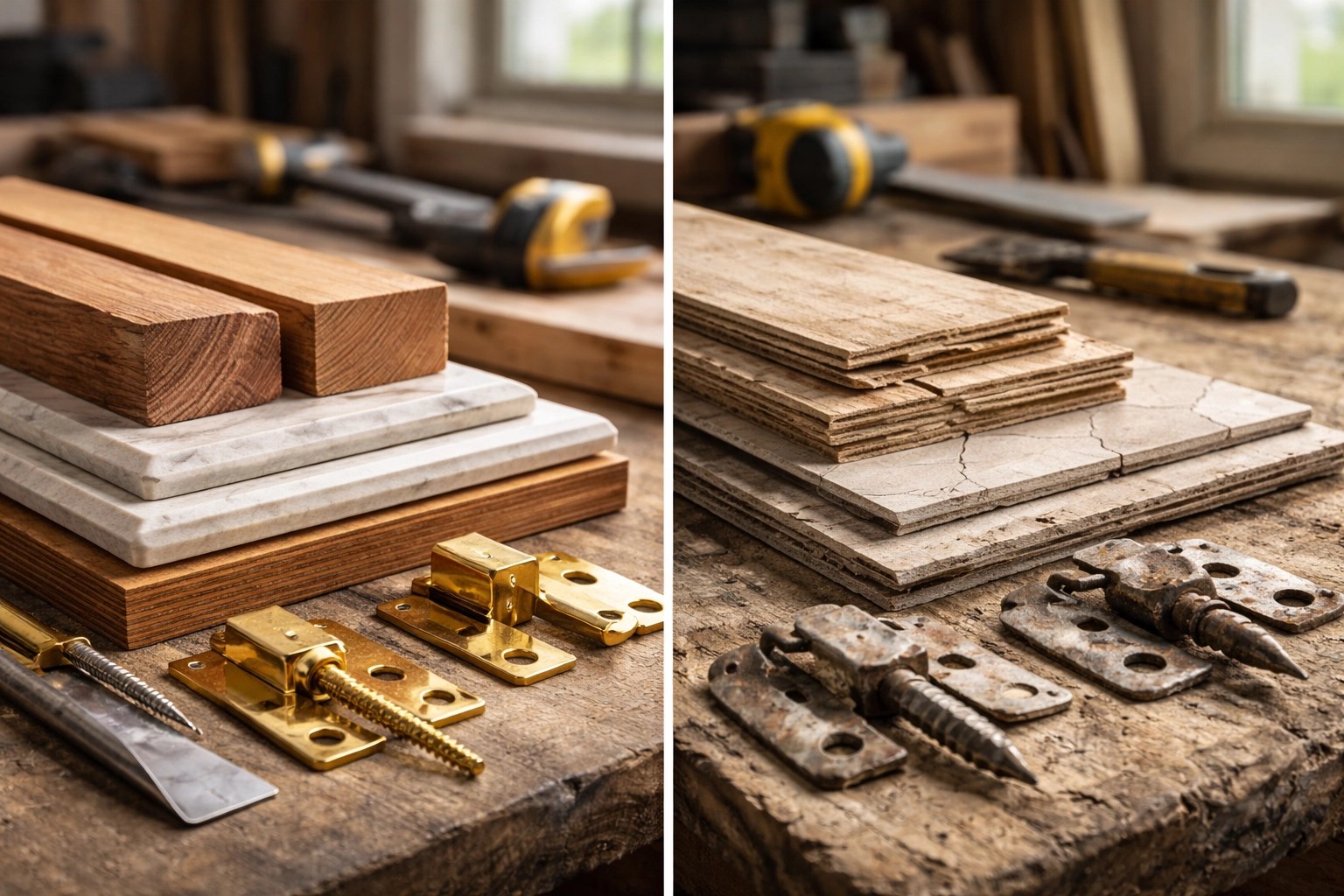
Cheaper materials? They might look fine on day one. But give it a year or two, and you'll start noticing the difference. Paint that fades or peels. Flooring that warps. Fixtures that rust or break. Structural elements that shift or crack.
Here's a simple way to think about it: quality materials are an investment in your project's longevity. When a contractor uses premium products, they're building something that will hold up through seasons, weather changes, and daily wear and tear. That's not just about aesthetics, it's about protecting the structural integrity of your investment.
The Value of Skilled Labor
Materials are only part of the equation. The other major factor in any construction bid is labor, and skilled labor doesn't come cheap.
Experienced craftspeople have spent years honing their skills. They understand building codes inside and out. They know how to handle unexpected challenges that pop up on every job site. They take pride in their work because their reputation depends on it.
When you hire a contractor who employs skilled workers, you're paying for:
- Precision: Measurements are exact. Cuts are clean. Everything fits together the way it should.
- Problem-solving: Experienced crews know how to adapt when they encounter surprises behind walls or under floors.
- Efficiency: Skilled workers get the job done right the first time, which actually saves time and money in the long run.
- Code compliance: Proper training means your project meets all local building codes and passes inspections without issues.
Less experienced crews might offer lower rates, but they often lack the knowledge to handle complex situations. That can lead to mistakes, mistakes that cost you money to fix down the road.
The Hidden Costs of Corner-Cutting
So what actually happens when a contractor cuts corners? The effects might not show up immediately, but they will show up eventually.
Structural issues are among the most serious consequences. Improper framing, inadequate foundation work, or shortcuts in load-bearing elements can compromise the safety of your entire building. These aren't just expensive to fix, they can be dangerous.
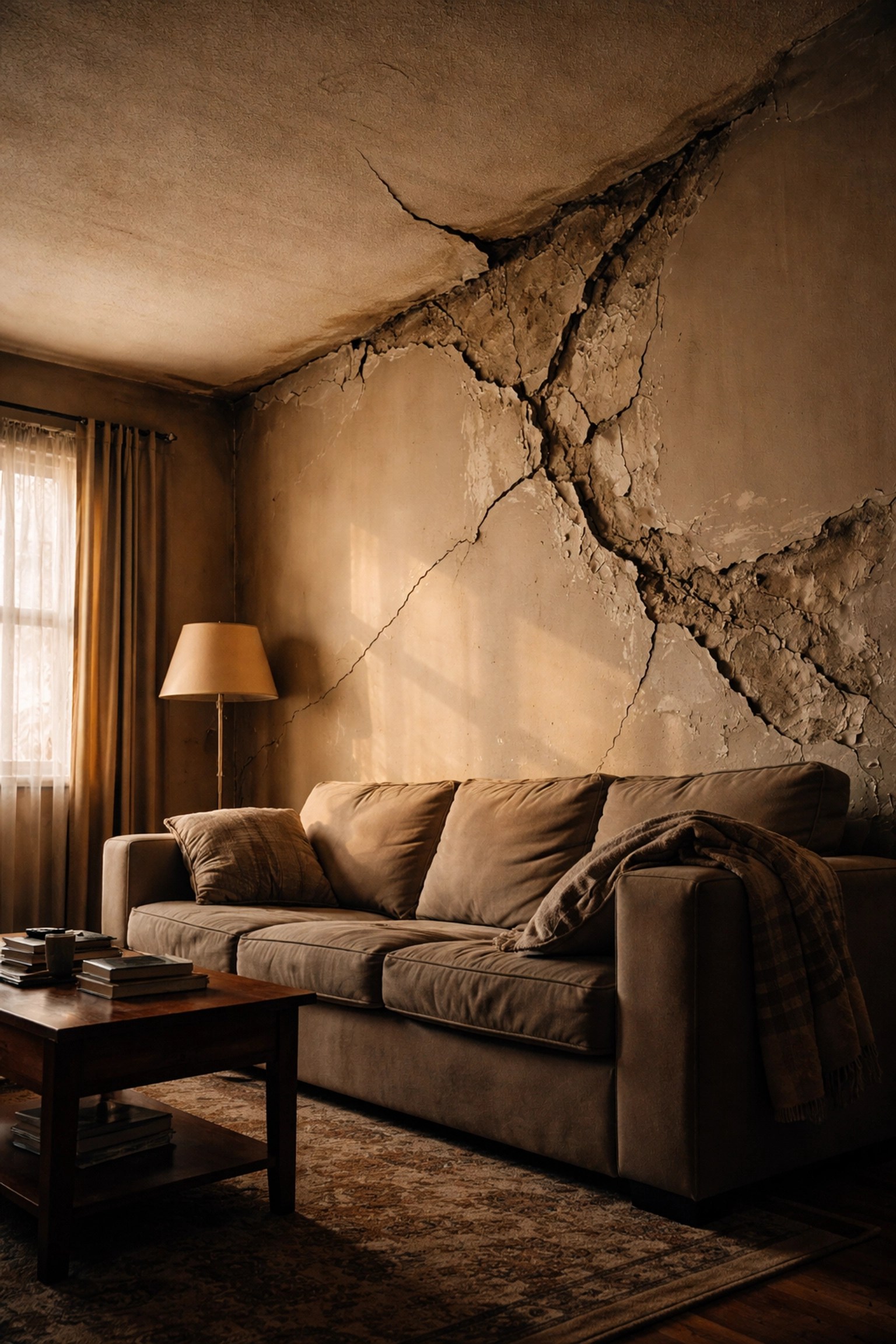
Aesthetic problems are more visible but still frustrating. Uneven paint lines, gaps in trim work, poorly aligned tiles, and visible seams all signal rushed or careless work. These details might seem minor, but they affect how your space looks and feels every single day.
Premature wear is another common outcome. When materials aren't properly installed or when cheaper substitutes are used, things start breaking down faster than they should. You end up spending more on repairs and replacements than you would have if the job was done right the first time.
Code violations can create real headaches. If work doesn't meet building codes, you might face fines, delays, or requirements to tear out and redo entire sections of the project. Some violations can even affect your ability to sell the property later.
According to research on contractor reputation, clients share their experiences widely, and 83 percent of people consider recommendations from people they know and trust the most credible form of advertising. That means contractors who cut corners don't just risk one unhappy client; they risk their entire referral network.
Our Commitment to Quality Craftsmanship
At Farris General Contracting, we've built our reputation on doing things right. We're not the cheapest option out there, and we're upfront about that. But our quality speaks for itself.

Here's what that commitment looks like in practice:
We source materials from trusted suppliers. We've developed relationships with vendors who provide reliable, high-quality products. We know exactly what we're putting into your project, and we stand behind it.
We employ skilled, experienced crews. Our team members know their craft. They take pride in their work and understand that every project reflects on our company's reputation.
We follow building codes to the letter. No shortcuts. No hoping the inspector doesn't notice. We build to code because that's the right way to do it: and because it protects your investment.
We communicate openly throughout every project. If we encounter something unexpected, you'll hear about it right away. No surprises when it's time to write the final check.
Our approach isn't just about avoiding problems. It's about creating something you'll be proud of for years to come. Whether we're working on a residential renovation or a commercial build, the standard is the same: quality craftsmanship, every time.
Signs of a Quality-Focused Contractor
Not sure how to spot a contractor who prioritizes quality? Here are a few things to look for:
They're willing to explain their process. A quality contractor can tell you why they're using specific materials and methods. They're not defensive about their pricing: they're confident in the value they provide.
They have a track record. Look for reviews, testimonials, and examples of past work. Positive reputation leads to trust, and trust leads to success. Contractors with strong reputations have earned them through consistent, quality work.
They provide detailed estimates. Vague bids are a red flag. Quality contractors break down their estimates so you can see exactly where your money is going.
They stand behind their work. Ask about warranties and guarantees. A contractor who believes in their craftsmanship will back it up.
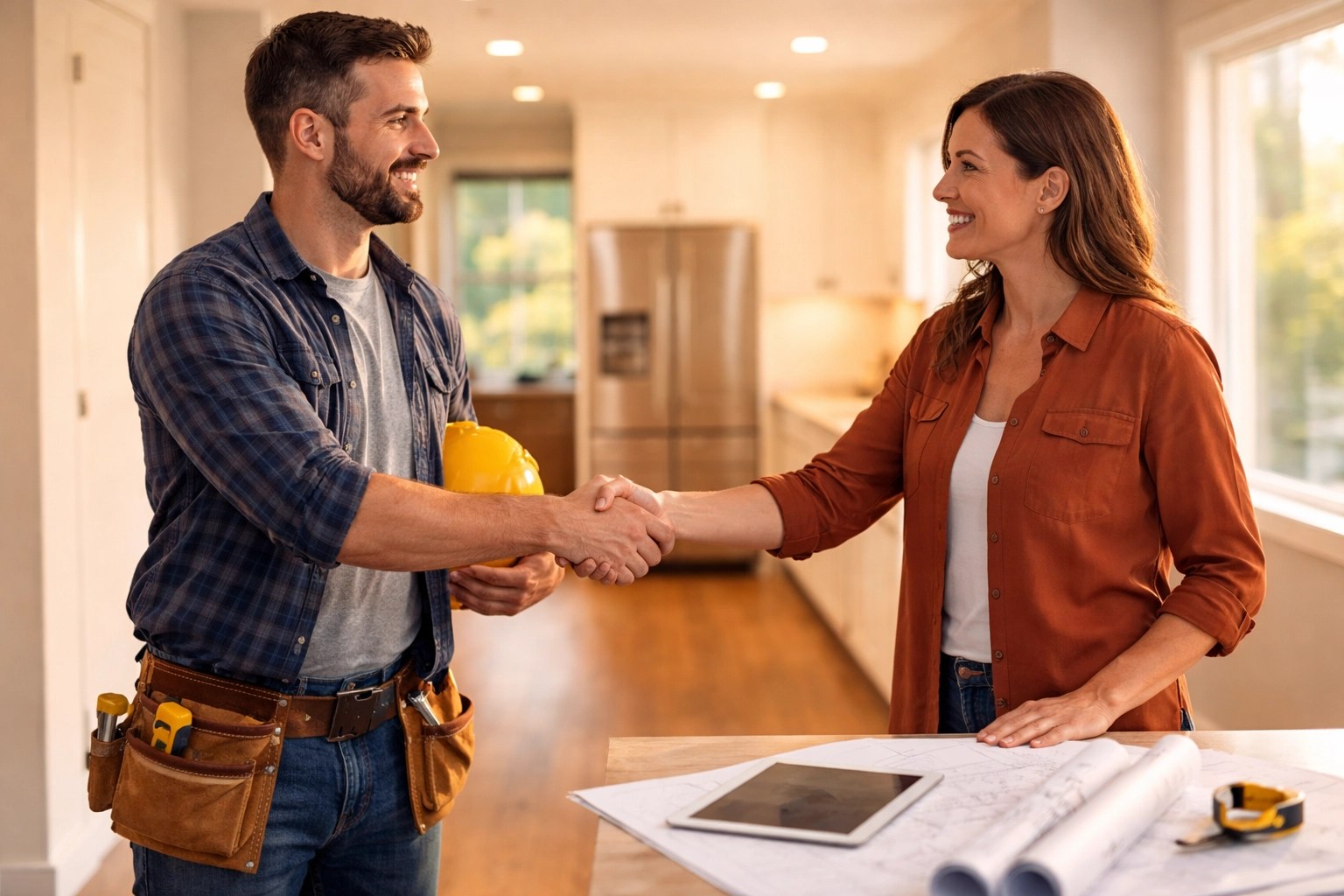
They're appropriately licensed and insured. This isn't just a formality. Proper licensing means they've met professional standards, and insurance protects you if something goes wrong.
The Bottom Line
When you're comparing construction bids, it's easy to focus on the bottom-line number. But that number doesn't tell the whole story.
Quality craftsmanship costs more upfront because it delivers more value over time. Better materials last longer. Skilled labor produces better results. And a contractor with a reputation for excellence has earned that reputation by consistently delivering work that stands the test of time.
At Farris General Contracting, we believe in building things right: not just building things fast or cheap. Our clients come back to us for future projects and refer their friends and family because they know what to expect: quality work, transparent communication, and results they can count on.
Ready to learn more about what sets quality contractors apart? Stay tuned for Part 3 of this series, where we'll explore the importance of proper licensing, insurance, and credentials. In the meantime, feel free to reach out to our team with any questions about your upcoming project.
Like this post? Share it with someone who's planning a construction project( they'll thank you later.)