
Part 1 of 5: The Hemp Build Series
Welcome to what might be the most surprising renovation material you'll read about this year. If you're thinking about updating your home or commercial space, there's a building material that's been around for centuries but is finally getting the recognition it deserves in modern construction: hemp.
Before you raise an eyebrow, let's be clear, we're talking about industrial hemp used for building, specifically a material called hempcrete. And if you're renovating an older property or looking to make your space more sustainable, this might be exactly what you've been searching for.
What Makes Hemp Different for Renovations?
Here's the thing about traditional renovation materials: they often require you to tear everything down to the studs, deal with hazardous materials, and start from scratch. Hemp-based building materials work differently.
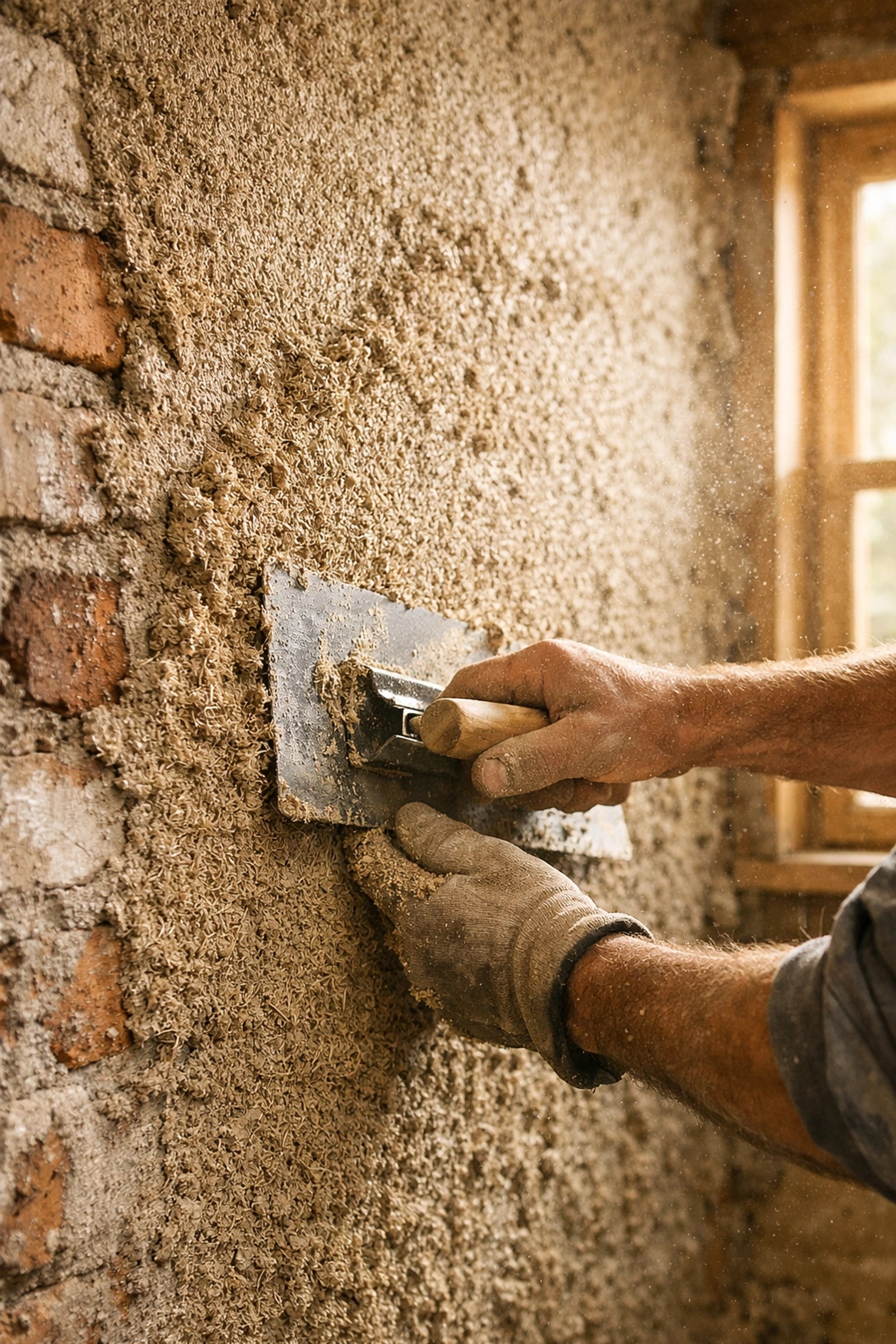
Hempcrete is a bio-composite material made from hemp hurds (the woody core of the hemp plant), lime, and water. What makes it particularly practical for renovations is that you can apply it over existing walls without requiring extensive structural modifications. Think about that for a second, you can upgrade your building's performance without gutting the entire space.
This makes hemp ideal for retrofitting and upgrading older buildings while maintaining their original integrity. If you've got a historic property or simply want to preserve the character of your space, hemp materials let you improve performance without sacrificing what you love about the building.
How Hemp Actually Works in Your Renovation
Let's get practical. You're probably wondering how you'd actually use hemp in a real-world renovation project. There are several approaches, and the beauty is that they can work together or independently depending on your needs.
Hemp insulation can be installed within wall cavities to dramatically improve thermal performance. If your walls are already open or you're doing selective demolition, adding hemp insulation is straightforward and effective.
Hempcrete itself can be applied as wall infill material. This enhances both insulation and fire resistance simultaneously, two things every building owner cares about. The application process is surprisingly forgiving, and because it's not load-bearing, you're not dealing with the stress of structural concerns.
For those working with tighter timelines, hemp blocks offer serious construction efficiency. Installation times clock in at about one minute per square foot, roughly half the time of traditional construction methods. If you've ever dealt with renovation delays (and who hasn't?), you know how valuable time savings can be.
And don't overlook hemp fiberboards for paneling and flooring. These can be integrated into comprehensive renovation projects to create a cohesive approach to sustainable building.
The Benefits You'll Actually Notice
Okay, so hemp sounds interesting, but what does it mean for you day-to-day? Let's talk about the real benefits you'll experience.
Energy Performance That Shows Up in Your Bills
Hempcrete reduces heating and cooling costs. Period. The material naturally regulates temperature, which means your HVAC system doesn't have to work as hard year-round. In Colorado, where we experience serious temperature swings, this matters more than you might think.
The material's natural humidity control system is particularly valuable if you're dealing with variable climates. Hempcrete regulates moisture buildup on its own, reducing problems like mold and rot that often plague older structures. If you've ever dealt with mold remediation, you know this is a massive advantage.
Indoor Air Quality You Can Feel
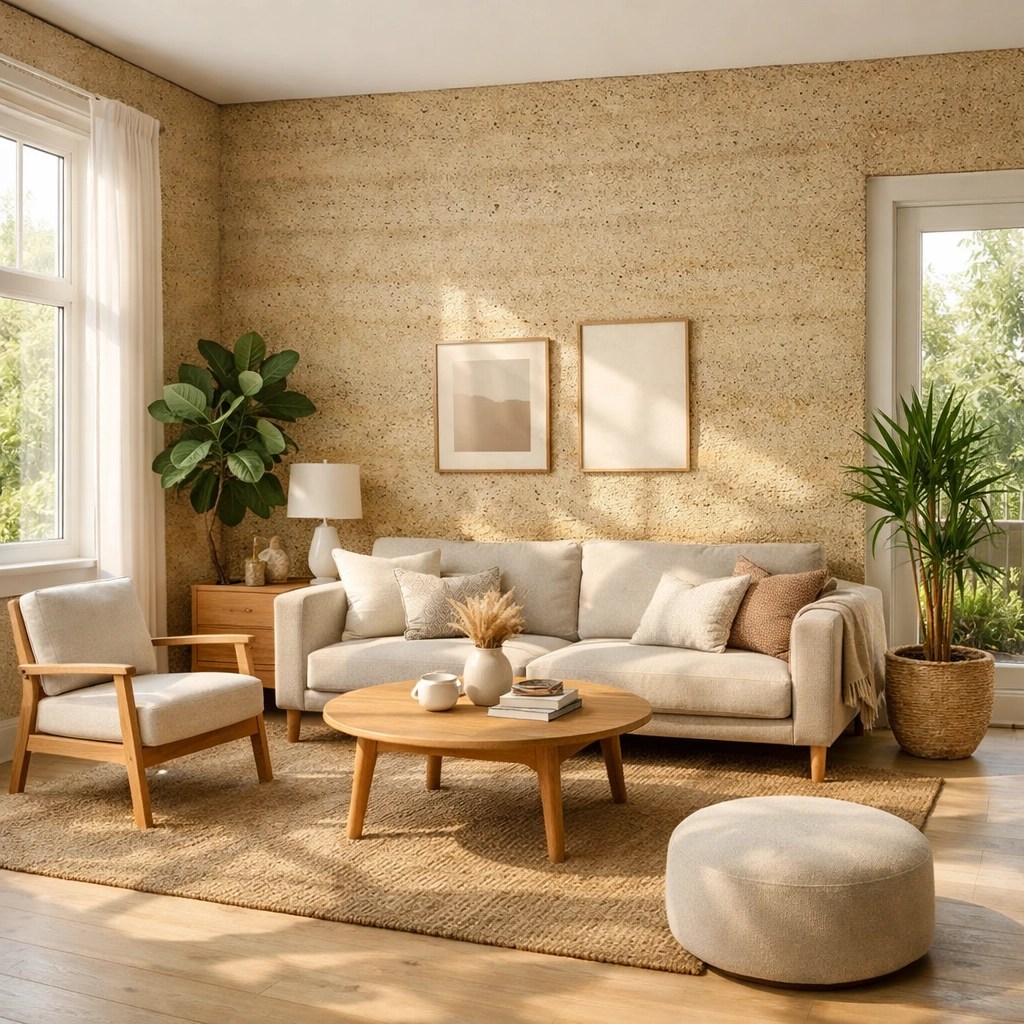
Here's something that doesn't always make it into renovation conversations but absolutely should: indoor air quality. Hempcrete is non-toxic and lacks harmful chemicals like formaldehyde and volatile organic compounds that you'll find in many traditional materials.
If anyone in your household has allergies, asthma, or chemical sensitivities, this isn't just a nice feature: it's potentially life-changing. You're creating a healthier space without having to think about off-gassing or air purification systems running constantly.
Built-In Protection
Hemp materials are naturally pest-, fire-, and mold-resistant. Read that again. You don't need chemical treatments. You don't need to worry about termites munching through your walls. You don't need special coatings to prevent fire spread.
This isn't just about convenience (though that's nice). It's about reducing the ongoing chemical load in your building and eliminating recurring treatments and concerns.
The Environmental Side of Things
Look, we know "sustainability" gets thrown around a lot in construction. But with hemp, the environmental benefits are genuinely substantial.
Hempcrete is carbon-negative. That means the hemp plant absorbs more carbon dioxide during its growth than is released during the building's entire lifecycle: including production, transportation, and eventual disposal. Your renovation project actually helps reduce atmospheric carbon.
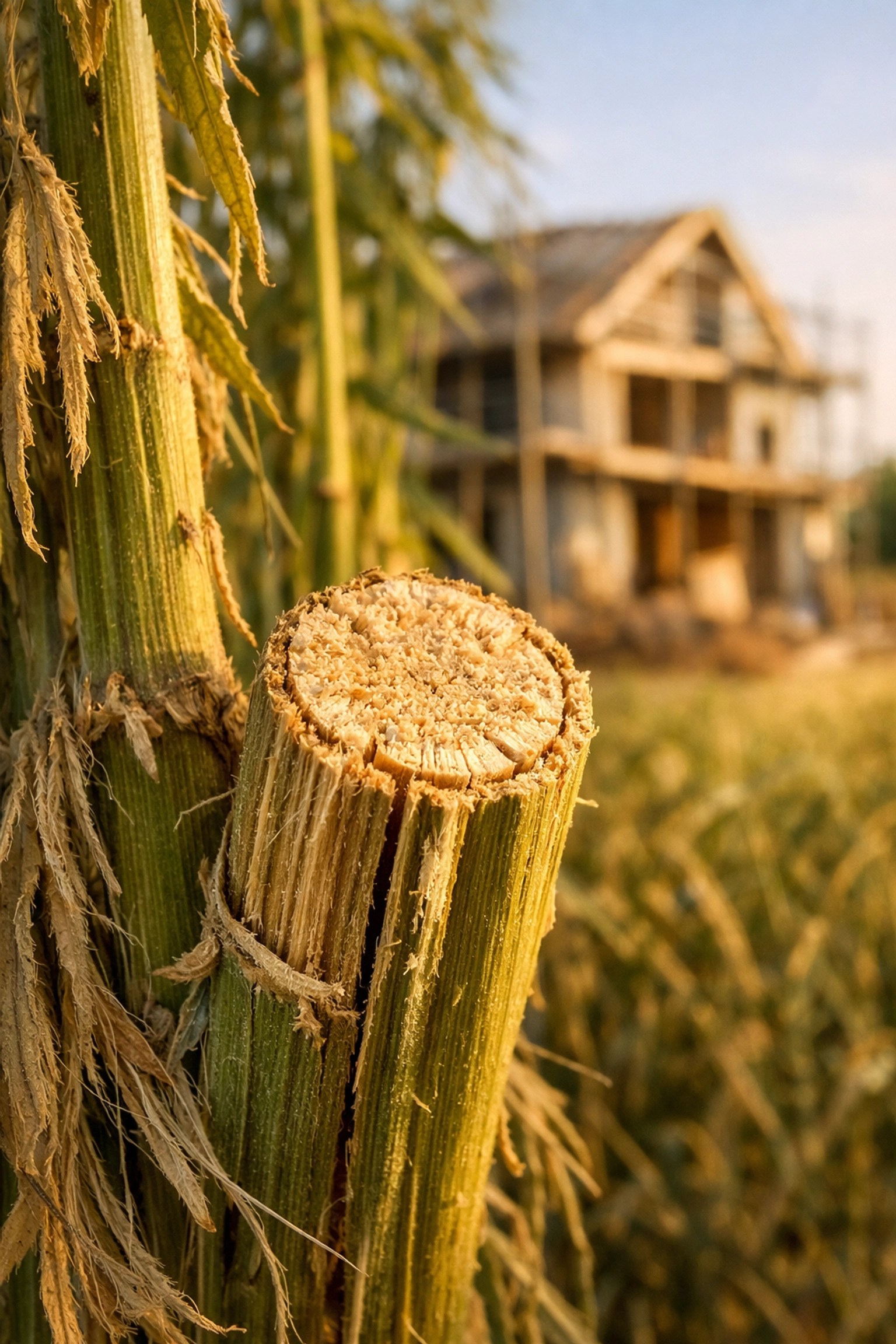
Hemp cultivation requires minimal water compared to traditional crops and needs no pesticides to thrive. From production through end-of-life, it's a genuinely sustainable choice. And when your building eventually reaches the end of its useful life? The materials are biodegradable and recyclable.
If you're making renovation decisions that align with your values, this matters. And if you're a commercial property owner, it matters to your customers and tenants too.
What You Need to Know Before Getting Started
Let's address the practical considerations upfront, because we believe in giving you the full picture.
Code Acceptance: Good news here. In 2022, hempcrete was officially accepted into U.S. residential building codes. The International Code Council approved it as acceptable insulation, which significantly simplifies the permitting process for renovation projects. This was a major milestone for anyone wanting to use hemp materials in North America.
Structural Limitations: Hempcrete is non-load-bearing. It cannot serve as your primary structural support. It must work within existing or new load-bearing frameworks. For renovation work, this usually isn't a problem since your structural elements are already in place. But it's important to understand this going in.
Cost Considerations: Initial material costs may be higher than conventional options. This is the reality with many sustainable materials right now. However, the long-term energy savings offset this investment, often significantly. When you factor in reduced HVAC costs, improved durability, and fewer maintenance issues, the financial picture changes.
Real Projects, Real Results
Hemp building isn't theoretical. Projects like the Phoenix Project in East Sussex are planning to employ hempcrete alongside locally sourced timber in large-scale sustainable communities. These aren't experimental structures: they're proving the viability of hemp materials in real-world applications.
And that's exactly what we're exploring in this five-part series. Over the coming weeks, we'll dive deeper into specific applications, cost analysis, case studies, and practical implementation strategies for hemp builds.
Your Next Steps
If you're considering a renovation project and want to explore sustainable, health-conscious options, hemp materials deserve serious consideration. They're not right for every project, but they solve specific problems exceptionally well: particularly for older buildings, energy efficiency upgrades, and health-focused renovations.
At Farris General Contracting, we're always exploring materials and methods that deliver real value to our clients. Hemp building represents an exciting frontier in construction, combining traditional wisdom with modern performance standards.
Ready to talk about your renovation project? Whether you're curious about hemp materials or exploring other sustainable options, let's have a conversation. We'll help you understand what makes sense for your specific situation, timeline, and budget.
Stay tuned for Part 2 of our Hemp Build Series, where we'll explore the specific costs and ROI of hemp materials compared to traditional renovation approaches. Don't forget to check out our blog for more insights on modern construction methods.