
Welcome back! If you’ve been following our series on "Construction During an Economic Downturn," you already know that we’re big believers in smart, strategic growth. It’s okay to feel a little nervous about the economy, but that doesn't mean your home goals have to sit on the shelf. In fact, some of the best decisions we’ve seen homeowners make happen when they decide to focus on projects that protect their investment and lower their daily costs.
Today, in Part 4, we’re diving into recession-proof renovations. These are the projects that tend to hold their value: or even increase it: when the market feels a bit shaky. Whether you’re looking at home renovations to stay comfortable for the next decade or you're planning for a future sale, focusing on high-ROI (Return on Investment) areas is the way to go.
At Farris General Contracting, we’ve helped countless families navigate these choices. We’re here to coach you through the noise and help you pick the projects that make the most sense for your wallet and your lifestyle. Let’s jump in!
The King of ROI: The Minor Kitchen Refresh
You’ve probably heard that "kitchens sell houses," and even in a downturn, that remains true. However, there’s a big difference between a $150,000 "gut and rebuild" and a $30,000 "refresh." In an uncertain economy, the minor refresh is almost always the smarter move.
Data for 2026 shows that minor kitchen remodels are actually outperforming luxury overhauls. While a massive upscale project might only recoup about half its cost, a well-executed refresh can often see a cost recovery of over 100%. That’s a win-win!
How to Refresh Without Breaking the Bank:
- Keep the Footprint: Try to avoid moving your plumbing or gas lines. That’s where the hidden costs live.
- Cabinet Magic: If your cabinet boxes are in good shape, consider painting them or replacing just the doors and hardware. It’s incredible what a professional finish can do for the "feel" of the room.
- Quartz is Your Friend: It’s durable, beautiful, and highly desired by buyers.
- Lighting Upgrades: Swapping out old fixtures for modern LEDs is a low-cost way to make the whole space feel new.
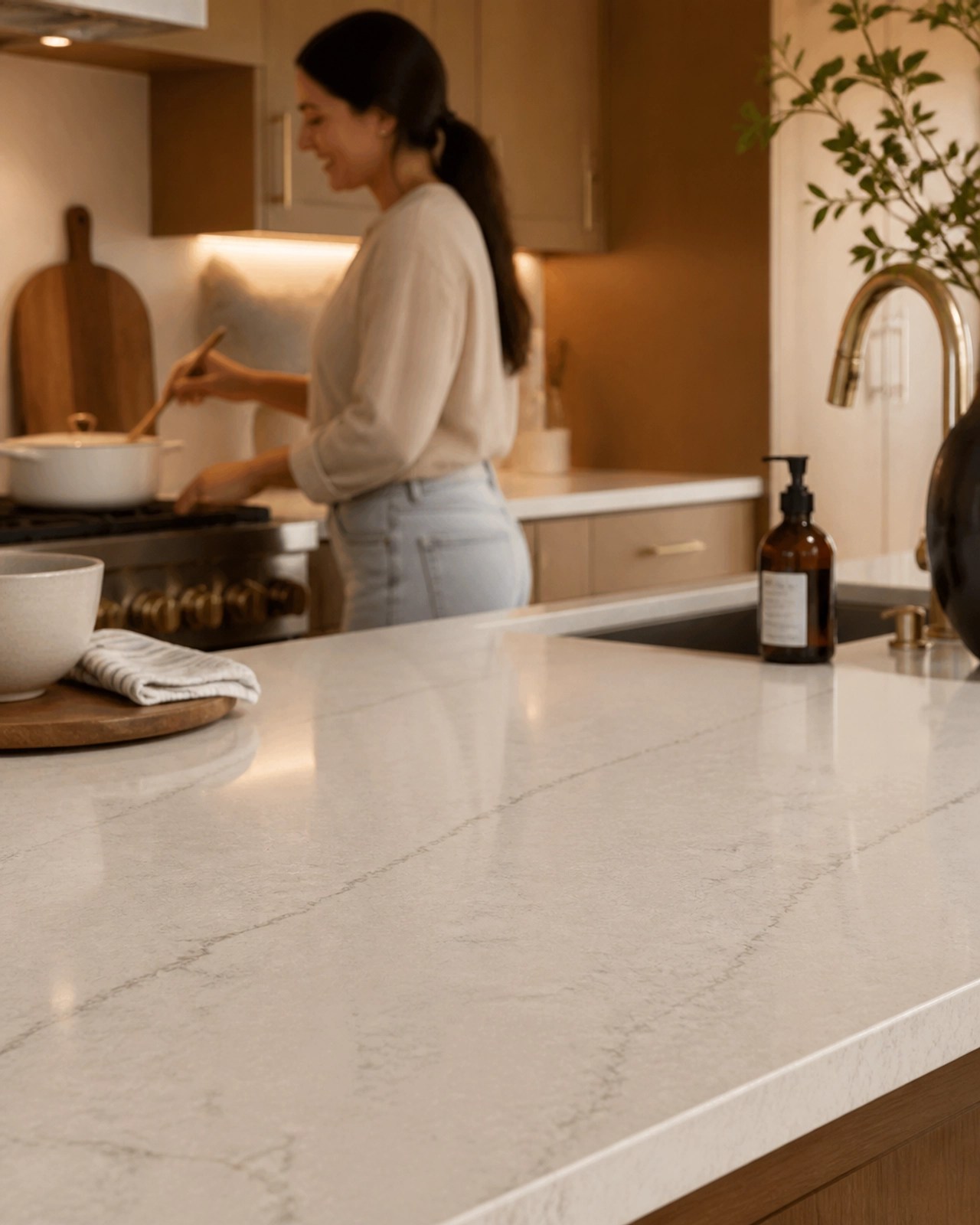
Don't forget to check out our gallery of past remodels to see how these small changes can make a massive impact.
Bathrooms: Beauty Meets Accessibility
Next on the list are bathrooms. Much like kitchens, bathrooms are high-traffic areas where buyers look for quality. But in 2026, there’s an added layer to a "recession-proof" bathroom: Accessibility.
As the population ages, homes that are "future-proofed" become significantly more valuable. We’re seeing a huge trend in what we call "Universal Design": making spaces that work for everyone, regardless of their age or mobility.
Smart Bathroom Upgrades:
- Tub-to-Shower Conversions: Swapping a clunky old tub for a sleek, walk-in shower is one of the most requested home renovations we handle.
- Low-Threshold Entries: A shower with a very low or non-existent "step" isn't just safer; it looks like a high-end spa.
- Non-Slip Surfaces: Choose textured tiles that look great but offer extra grip.
- Integrated Safety: Stylish grab bars (that don't look like hospital equipment) and comfort-height toilets are small changes that add massive long-term value.

When you combine a fresh look with accessibility features, you aren't just renovating; you're expanding the pool of people who might want to buy your home one day.
Energy Efficiency: The Hidden Money Maker
In an economic downturn, everyone is looking to save on monthly bills. This is where energy-efficient upgrades shine. While they might not be as "flashy" as a new backsplash, they are some of the most practical investments you can make as a homeowner.
When a residential contractor helps you tighten up your home's envelope, you're essentially putting money back into your pocket every single month through lower utility bills.
Where to Focus Your Energy Budget:
- High-Efficiency Windows: These keep the heat in during the winter and the cool air in during the summer. They also look great from the curb!
- Insulation and Air Sealing: It’s not glamorous, but it’s one of the highest ROI projects you can do.
- Smart HVAC Systems: Upgrading to a modern, energy-efficient furnace or air conditioner is a major selling point.
- Water-Saving Fixtures: Low-flow faucets and toilets cut down on water waste without sacrificing performance.

Think of energy efficiency as a defensive play for your finances. You’re reducing your overhead, which makes any economic storm easier to weather.
House Additions: Growing Strategically
Sometimes, you just need more space. If you're considering house additions, the recession-proof approach is to build what the market (and your family) actually needs.
Instead of adding a "bonus room" that might sit empty, think about additions that solve problems. Are you working from home permanently? A dedicated home office addition is a huge plus. Is a parent moving in? A suite with a private entrance and an accessible bathroom (there’s that word again!) can add immense value.
We actually wrote a whole guide on this! Don't forget to check out House Additions 101: A Beginner’s Guide to Maximizing Your Home’s ROI for a deeper dive into how to plan your expansion.
Why Your Contractor Choice Matters Now More Than Ever
When the economy is tight, it’s tempting to just go with the lowest bid you can find. We get it! But as we’ve discussed in previous parts of this series, "cheap" often ends up being very expensive in the long run.
A reliable residential contractor like Farris General Contracting acts as your partner. We’re not just here to swing hammers; we’re here to help you prioritize. We’ll tell you if a project is likely to over-improve your home for the neighborhood, and we’ll help you find those "sweet spot" materials that look luxury but cost mid-range.

Our goal is to keep you involved and informed. We believe in quality craftsmanship and timely delivery, because we know your home is your biggest asset. We want to help you protect it.
Wrapping It Up: It’s Okay to Start Small
You don't have to do everything at once. If you're feeling the economic pinch, start with a small energy-efficiency project or a bathroom refresh. The key is to keep moving forward and making improvements that build equity over time.
Experimenting with your space should be fun, not stressful. We’re here to help you navigate the process step-by-step. If you have questions about which project might be best for your specific home and neighborhood, reach out to us. We’d love to chat!
Next Up: Don’t miss Part 5 of our series, where we’ll wrap everything up with a master checklist for managing your construction project during a downturn. See you then!