
Welcome back! If you’ve been following our "Hemp Builds" series, you’ve learned about the amazing science behind hempcrete, how it’s grown, and why it’s one of the most exciting materials in the sustainable building world today.
But now we’re at the most important part: Is it right for you?
Choosing to build a custom home is a massive decision. When you add a non-traditional material like hempcrete into the mix, the stakes feel even higher. At Farris General Contracting, we believe in giving you the straight talk. We’re not just here to build houses; we’re here to build the right house for your lifestyle, your budget, and your future.
In this final installment, we’re breaking down the practical side of hemp construction, budget, climate, and how our general contractor services can help you navigate this green frontier.
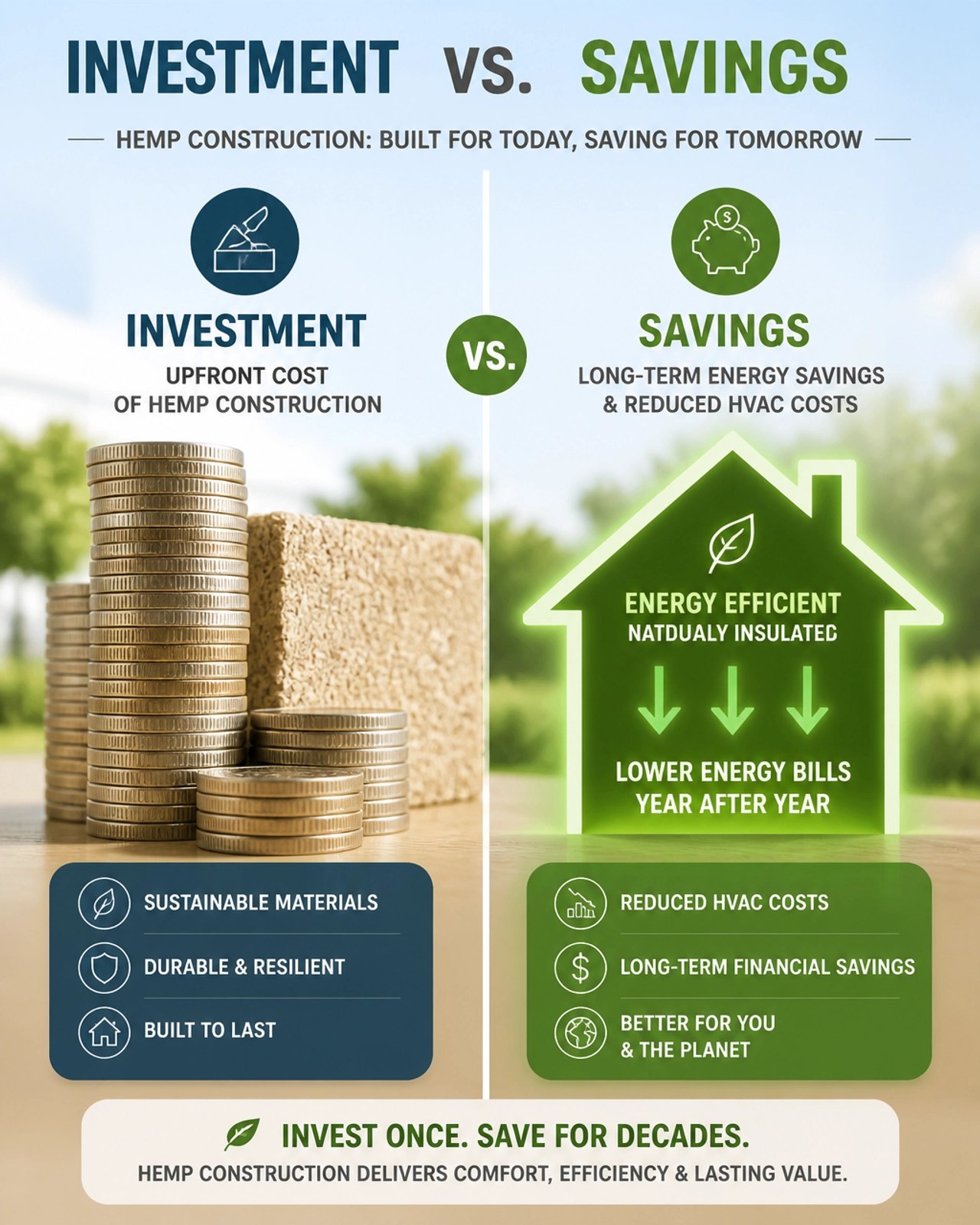
The Budget Reality: Upfront Investment vs. Long-Term Value
Let's talk money. We know that "sustainable" sometimes feels like a code word for "expensive." In the case of hempcrete, there is some truth to that, at least at the start.
The Upfront Premium
In 2026, building a hempcrete home typically costs about 30% to 50% more for the wall assemblies compared to traditional 2×4 stud framing with fiberglass insulation. Because hempcrete is a specialized material that requires specific mixing and installation techniques, the labor and material costs are higher than "builder-grade" options.
When you look at the total cost of a custom home build, you can expect a premium of roughly 10% to 15% on the total project price.
The "Total Cost of Ownership"
Here’s where it gets interesting. While you pay more on day one, a hempcrete home starts paying you back the moment you move in.
- Energy Savings: Because of hempcrete’s incredible "thermal inertia" (the ability to soak up heat and release it slowly), most homeowners see a 30% to 50% reduction in heating and cooling costs.
- Downsized HVAC: You often don’t need a massive, expensive furnace or AC unit because the house does so much of the temperature regulation itself.
- Durability: Hempcrete doesn't rot, it doesn't attract pests (termites hate it), and it actually gets stronger over time as it petrifies. You won't be replacing insulation or dealing with mold remediation in 20 years.
If you plan on staying in your home for 10, 20, or 30 years, hempcrete isn't just a "green choice", it’s a smart financial move.
Climate Suitability: Where Does Hemp Thrive?
Hempcrete is a versatile performer, but like any material, it has its favorite environments.
The Sweet Spot: Mixed and Cool Climates
Hempcrete loves regions with temperature swings. If you’re building in a place where it’s chilly at night and warm during the day (hello, Colorado!), hempcrete acts like a thermal battery. It stays comfortable year-round without the HVAC system constantly kicking on and off.
The Challenge: Hot and Humid Zones
Can you build with hemp in humid areas? Yes! In fact, its breathability is a huge plus because it prevents the mold growth that often plagues "airtight" modern homes. However, it requires very careful design. At Farris GC, we ensure that exterior finishes are "vapor-open" (like lime plaster) so the walls can breathe. If you trap moisture inside with the wrong paint, you’re asking for trouble.
Quality Craftsmanship: Why Your Contractor Matters
You wouldn’t hire a plumber to fix your car, and you shouldn't hire a standard "track home" builder for a hemp project. Hemp construction is an art form that requires quality craftsmanship construction.
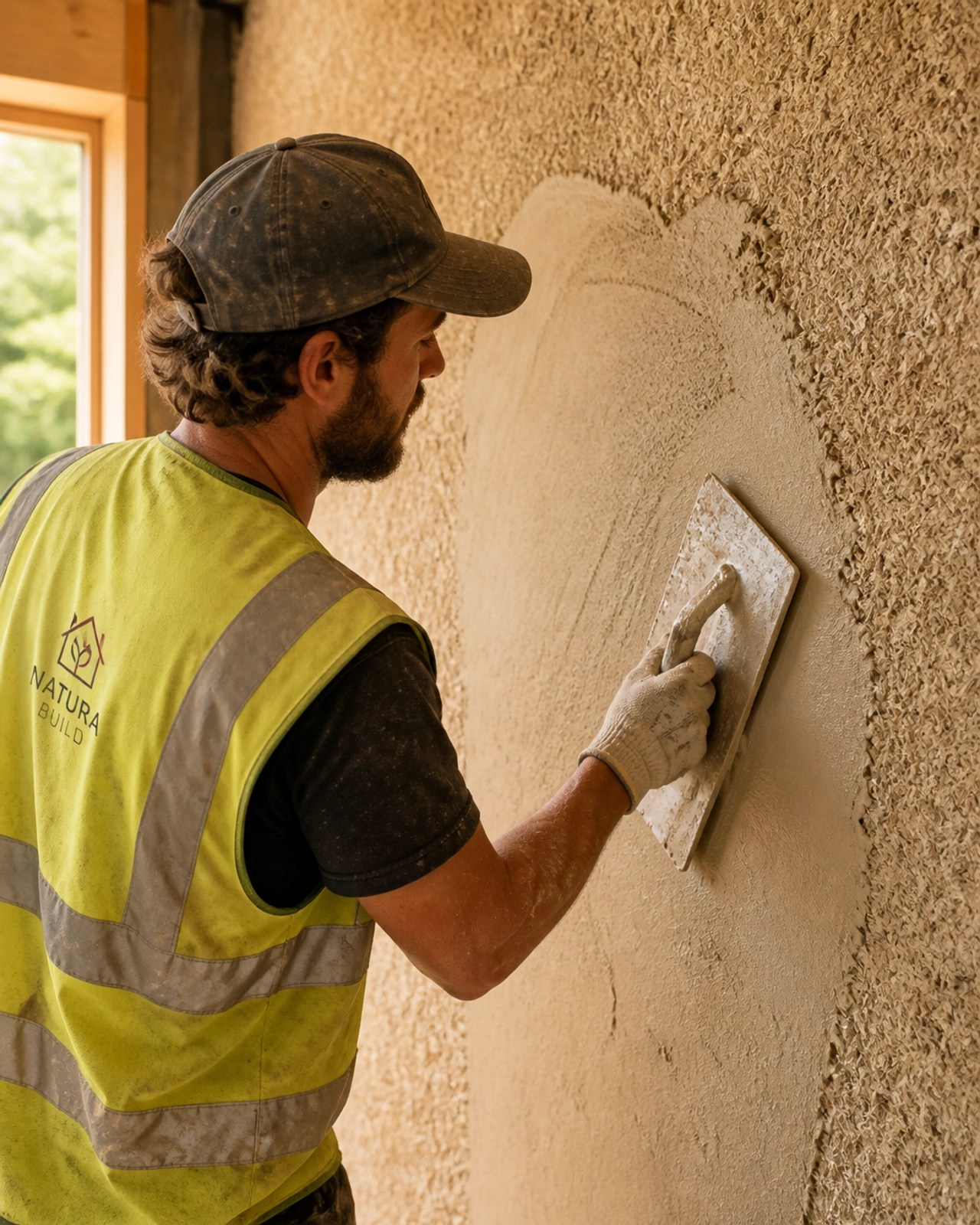
At Farris General Contracting, we pride ourselves on being a full-service partner. Here’s what that means for a hemp build:
- Permitting & Codes: Many local building departments are still catching up to hemp. We handle the paperwork and the engineering reports to prove your home is safe, fire-resistant, and up to code.
- Structural Integration: Remember, hempcrete isn't load-bearing. It needs a solid frame (usually timber or steel). We manage the complex dance between the structural bones and the hemp "flesh" of the building.
- Specialized Labor: We bring in the right teams who know how to mix, tamp, and spray hempcrete so it cures perfectly without cracks or voids.
Is It Right for You? The Final Checklist
Still on the fence? Ask yourself these five questions:
- Is indoor air quality a priority? (Hempcrete is non-toxic, VOC-free, and mold-proof.)
- Are you building a "legacy" home? (If you're building to stay for decades, the ROI is excellent.)
- Do you value sustainability? (Hempcrete is carbon-negative: it actually stores CO2.)
- Can your budget handle the initial 10-15% premium?
- Are you looking for a unique, custom aesthetic? (Hempcrete walls have a beautiful, thick, organic feel that you just can't get with drywall.)
If you answered "Yes" to most of these, then hemp construction is likely a fantastic fit for your project.
Wrapping Up the Series
We’ve come a long way since Part 1! We’ve explored the field, the factory, and the job site. Sustainable building isn't just a trend; it's the future of how we live. Whether you choose hempcrete, a traditional home addition, or a modern commercial buildout, the team at Farris GC is here to make sure it's built to last.
Ready to start your journey?
Don't be a stranger! We’d love to chat about your vision: hemp or otherwise. Contact us today for a consultation, and let’s see what we can build together.
Thanks for joining us for this series. Happy building!