
Welcome to Part 4 of our series, "Custom Home Builds: The Complete Journey." If you’ve been following along, we’ve already dreamed up the vision, found the perfect lot, and navigated the design phase. Now, we’re arriving at the part that usually makes people hold their breath: the budget.
Talking about money can be stressful, but at Farris General Contracting, we believe transparency is the best tool in our belt. Whether you are planning a cozy mountain retreat or a sprawling modern estate, understanding the financial landscape of 2026 is the first step toward a successful build.
In this post, we’re going to break down the current costs of custom home builds, from the price per square foot to the hidden "soft costs" that often catch homeowners off guard. Don’t worry, we’re here to coach you through it!
The 2026 Reality: What Does it Cost per Square Foot?
If you’ve researched construction costs in the past, you might remember lower numbers. However, the world has changed, and the construction industry has evolved with it. In 2026, the national average for a true custom home build generally falls between $200 and $550+ per square foot.
Why such a massive range? Well, a custom build isn't a "cookie-cutter" house. Every choice you make: from the complexity of your foundation to the brand of your kitchen faucets: shifts that number.
A Look at Regional Averages
While we primarily serve our local community with quality craftsmanship construction, it helps to see how the national market looks in 2026:
- Mid-Range Custom: $200 – $350 per sq. ft.
- High-End Luxury: $350 – $550+ per sq. ft.
- Ultra-Luxury/Complex Builds: Can easily exceed $600 per sq. ft.
Quick Tip: When you see these numbers, remember they usually cover the "vertical" construction: the house itself. Land acquisition, landscaping, and major site prep are often separate line items.
Materials vs. Labor: The 2026 Shift
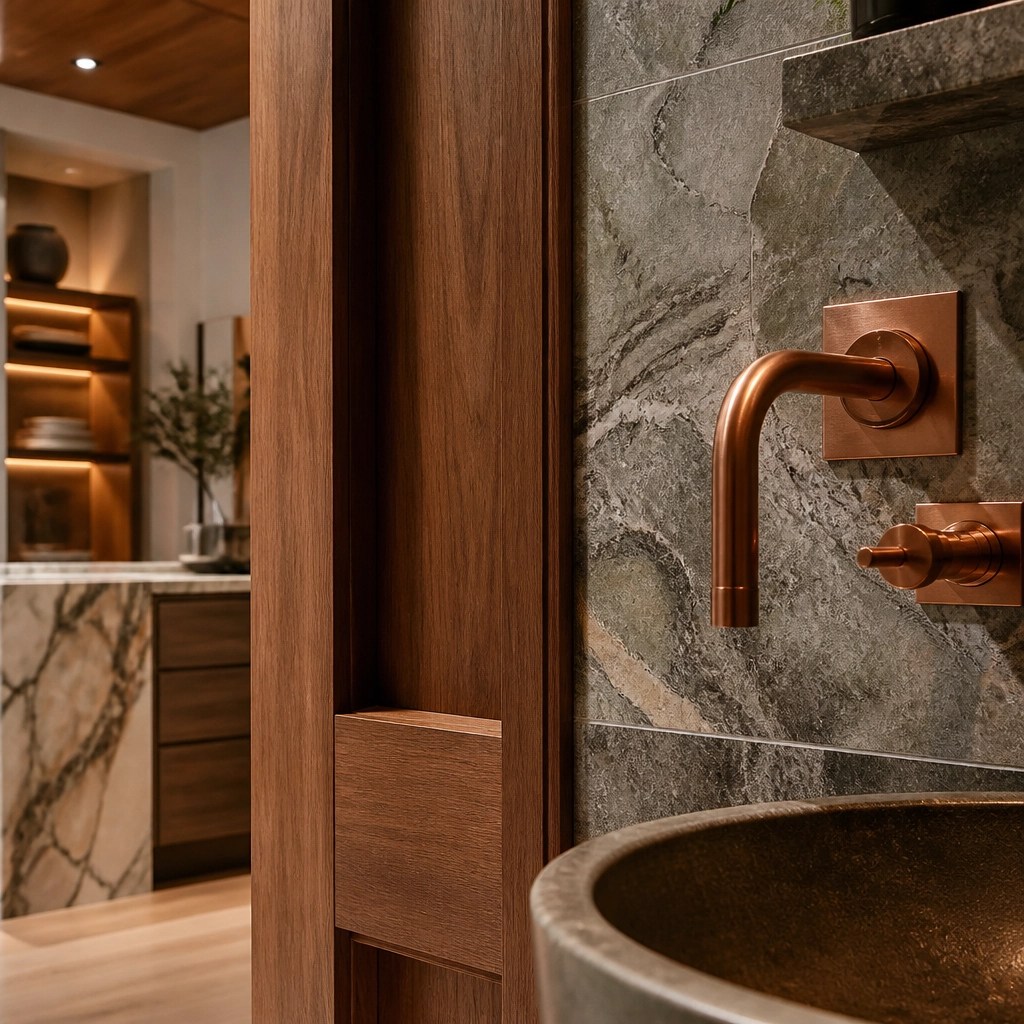
For a long time, homeowners were most worried about the "lumber crisis" or the cost of steel. In 2026, the story has shifted. While material prices have leveled off (though they remain higher than pre-2020 levels), labor is now the primary cost driver.
The Skilled Labor Shortage
There is a high demand for master carpenters, electricians, plumbers, and HVAC specialists. Because there are fewer "old school" pros in the trades, their expertise comes at a premium. At Farris General Contracting, we prioritize working with the best tradespeople because quality craftsmanship saves you money in the long run by avoiding costly repairs and inefficiencies.
Material Trends
- Lumber and Steel: More predictable than in years past, but still sensitive to global trade changes.
- Smart Home Integration: No longer a "luxury" add-on; many 2026 builds include integrated energy management as a standard material cost.
- Sustainable Materials: Items like high-efficiency insulation and hemp-based products are becoming more cost-competitive as they become more common.
Breaking Down the "Hard Costs"
When you look at a quote from general contractor services, it’s usually divided into several phases. Here is a rough breakdown of where your money goes during a custom build in 2026:
1. Site Work and Foundation (10-15%)
Before the first stud is nailed, the ground has to be ready. This includes excavation, grading, and pouring the concrete foundation. If you’re building on a slope or rocky terrain, expect this percentage to lean toward the higher end.
2. Framing and Exterior Shell (25-30%)
This is the "skeleton" of your home. It’s one of the largest expenses because it involves massive amounts of lumber or steel and significant labor. In 2026, many homeowners are opting for advanced framing techniques that improve energy efficiency, which might cost more upfront but lower your bills later.
3. Mechanicals: HVAC, Plumbing, and Electrical (15-20%)
The "veins and arteries" of your home. With the 2026 building codes emphasizing electrification and high-efficiency heat pumps, these systems have become more sophisticated (and slightly more expensive) than traditional furnaces of the past.
4. Interior Finishes and Cabinets (25-35%)
This is where budgets usually "bleed." It’s easy to start with a $10,000 cabinet budget and end up at $30,000 once you see the beautiful custom walnut options. This category covers flooring, drywall, paint, cabinetry, and countertops.
The "Invisible" Costs: Don't Forget the Soft Costs
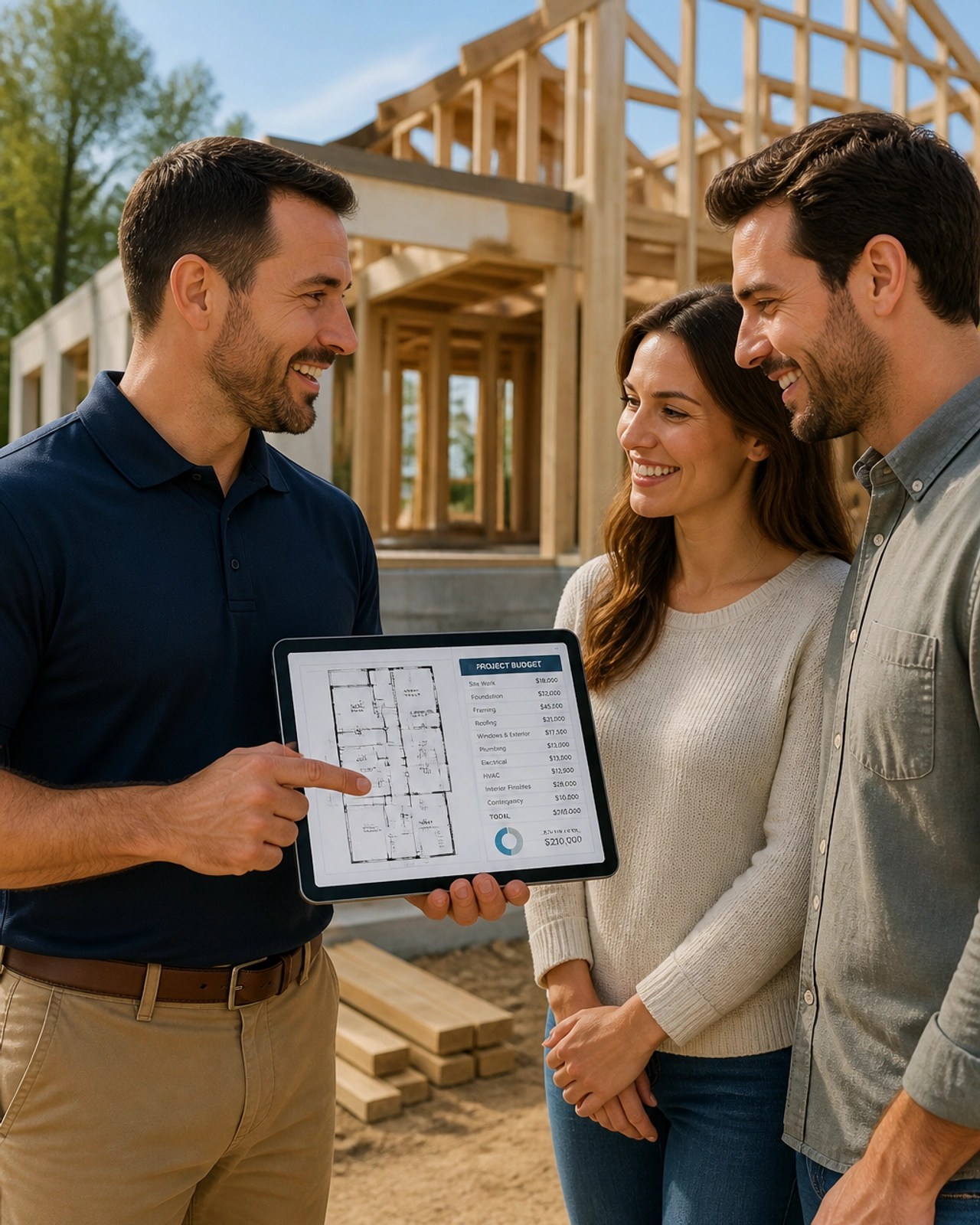
"Soft costs" are the expenses that don't involve a hammer or a nail. If you don't plan for these, they can take a 10-15% bite out of your total budget before you even break ground.
- Architectural and Engineering Fees: Getting your plans just right.
- Permit and Impact Fees: These vary wildly by county and city.
- Construction Insurance and Taxes: Protecting your investment while it's under construction.
- Financing Costs: Interest on your construction loan and closing costs.
Insider Hint: We always recommend setting aside a 10-15% contingency fund. In custom construction, surprises happen: you might decide to upgrade your flooring mid-build, or the city might require an unexpected drainage change. Having that "safety net" makes the whole process much more enjoyable!
Where to Save and Where to Splurge
One of the best parts of working with a general contractor is "Value Engineering." This is just a fancy way of saying we help you find the best bang for your buck.
Where to Splurge:
- The Building Envelope: Don't skimp on windows, insulation, or roofing. You can change a rug later, but changing your insulation is a nightmare.
- Kitchen Layout: You’ll spend most of your time here. Get the layout right the first time.
- Quality Craftsmanship: Hiring the "cheapest" crew often leads to "re-doing" work. Do it right once.
Where to Save:
- Light Fixtures: These are easy to swap out in 5-10 years. Start with high-quality "standard" fixtures and upgrade later.
- Standard Sizes: Using standard-sized windows and doors instead of custom-ordered odd sizes can save thousands in both material and labor.
- Basement Finishing: You can always frame the basement now and finish it in a year or two when your savings account has recovered.
The Result of a Well-Planned Budget
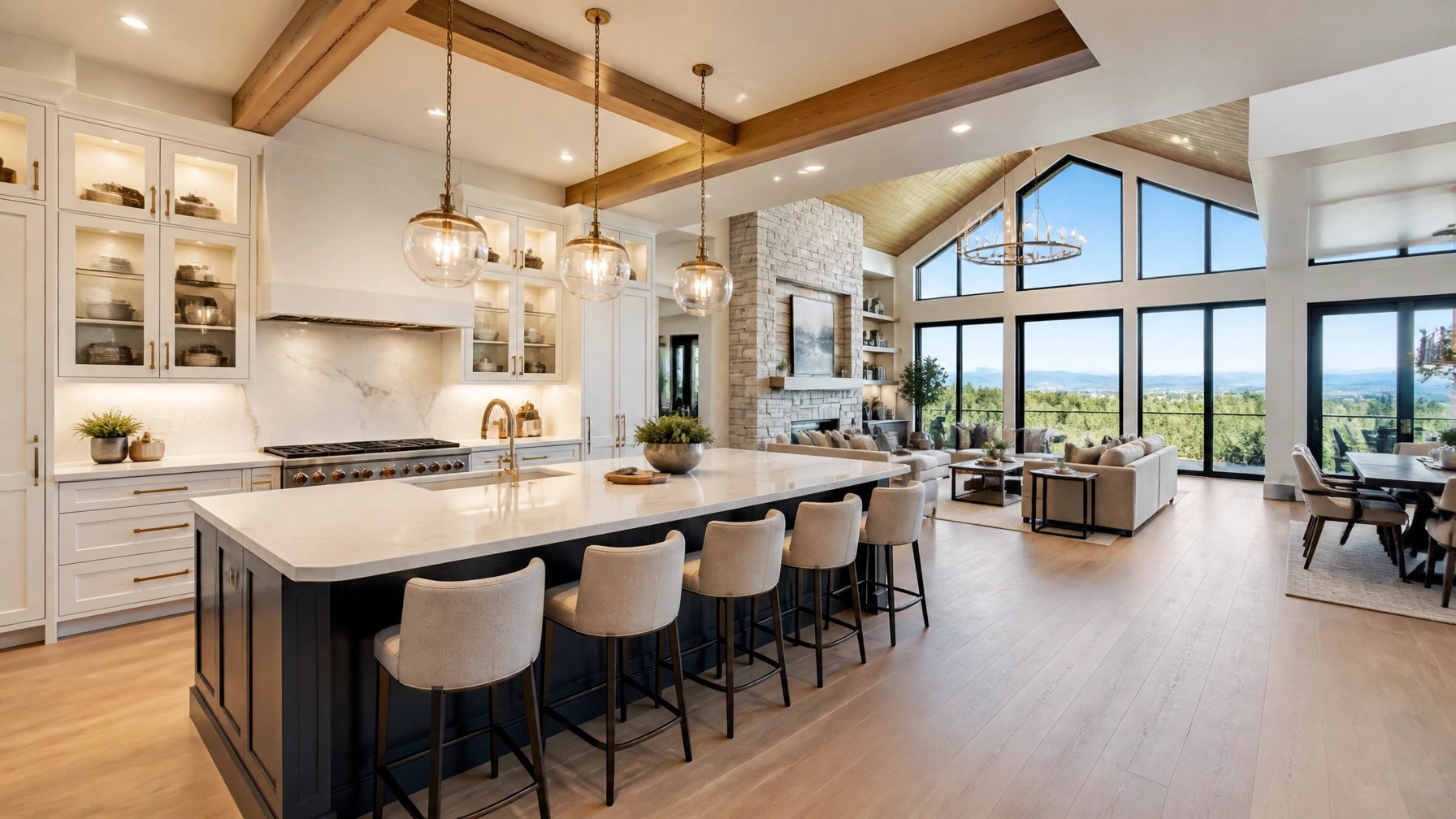
When you understand the costs and plan accordingly, the result is more than just a house: it’s a sanctuary built specifically for your lifestyle. The 2026 market is complex, but with the right team, it is entirely manageable.
At Farris General Contracting, we pride ourselves on being your partner through this entire journey. We don't just build walls; we build trust. By keeping you involved in the construction process and providing clear, honest cost breakdowns, we ensure there are no "scary" surprises on move-in day.
What’s Next?
Ready to see what your dream home might actually cost? The best way to move from "estimates" to "reality" is a consultation.
- Check out our recent work to see the level of quality we bring to every project.
- Ready to start? Contact us today for a personalized consultation.
Join us for the final part of our series, Part 5: Navigating the Final Walkthrough and Moving In, where we’ll talk about those exciting last steps before you get the keys!
Don’t forget to check out our other posts on home additions and remodels if you’re looking to upgrade your current space instead of building from scratch. We’re here to help you every step of the way!