
Welcome back to our series on Multigenerational Living & Home Additions. In our first post, we looked at why so many families are choosing to stick together and how construction is evolving to meet that need. Today, we’re getting into the "how."
If you’re feeling the squeeze in your current home, you’ve probably realized that not all house additions are created equal. Sometimes you need a quiet corner for a Zoom call, and sometimes you need a fully independent living space for a grandparent or a college grad.
In this guide, we’re breaking down the two most popular "smart" additions for 2026: Flex Rooms and Accessory Dwelling Units (ADUs). We’ll look at what they are, what they cost, and most importantly, what kind of return on investment (ROI) you can expect.
What Exactly is a Flex Room?
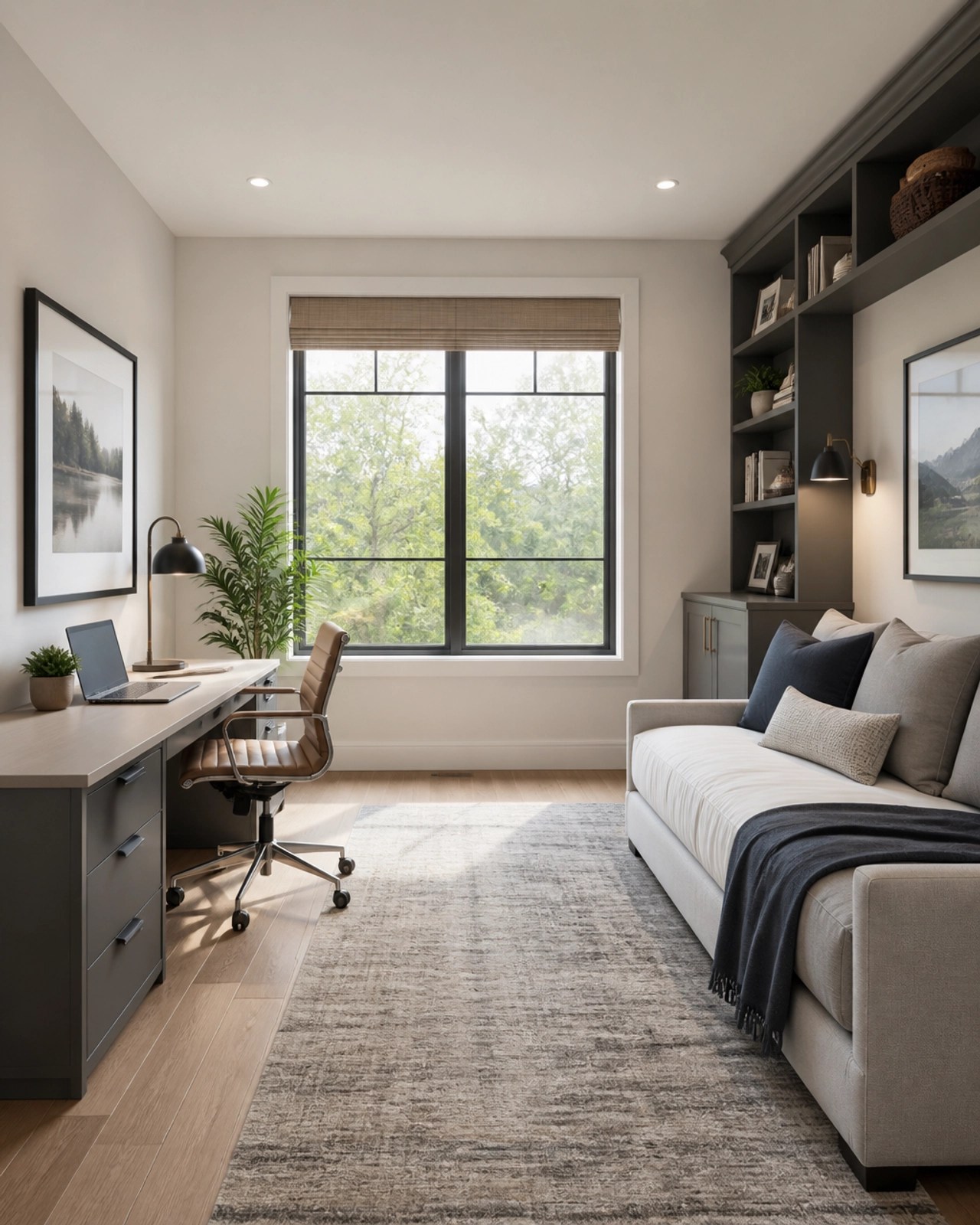
A "flex room" is exactly what it sounds like: a space designed to be flexible. Unlike a traditional bedroom that has a specific legal definition (usually requiring a closet and a specific window size), a flex room is a multi-purpose area that can shift as your life changes.
The Uses for a Flex Room
The beauty of a flex room is that it grows with you. We’ve seen our clients use these home renovations for:
- The Hybrid Office/Guest Room: A workspace by day and a cozy spot for visitors by night.
- The Homeschool Hub: A dedicated area for learning and projects.
- The Hobby Studio: Whether it’s yoga, painting, or gaming, a flex room keeps the clutter out of the main living area.
- The Future-Proof Bedroom: Many families build a flex room on the main floor now so it can eventually become a primary suite if stairs become an issue later.
Cost and ROI of Flex Rooms
In 2026, a standard flex room addition typically ranges from $120,000 to $300,000. Because these rooms usually tap into the home’s existing HVAC and plumbing (if there’s a powder room nearby), they are generally more affordable than building a separate unit.
While you won't necessarily rent out a flex room, the ROI comes from resale value and lifestyle utility. On average, you can expect to recoup 50% to 80% of the cost at resale. More importantly, it makes your home much more attractive to buyers who are looking for that "extra" space.
The Rise of the ADU (Accessory Dwelling Unit)
If a flex room is a "room," an ADU is a "house." Often called granny flats, carriage houses, or casitas, an ADU is a secondary residential unit on your property that has its own kitchen, bathroom, and entrance.
Why ADUs are the 2026 Trend
Zoning laws have changed significantly over the last few years, making it easier for a residential contractor to pull permits for these structures. They are the ultimate solution for multigenerational living because they offer:
- Privacy: Your parents or adult children are close by, but everyone has their own front door.
- Income potential: When not being used by family, an ADU is a high-demand rental unit.
- Independence: For seniors, it allows them to age in place without feeling like they are "intruding" on the main house.
The Financials of an ADU
Building an ADU is a significant investment. For a turn-key, code-compliant unit in 2026, costs generally fall between $180,000 and $400,000+.
The ROI Breakdown:
- Rental Income: Depending on your location, an ADU can generate $1,800 to $3,500 per month. This often leads to a "payback period" where the unit pays for itself in 6 to 15 years.
- Property Value: In strong markets, an ADU can add 60% to 120% of its construction cost to your property’s total value.
For a deeper dive into how these additions affect your home's worth, check out our Beginner’s Guide to Maximizing Your Home’s ROI.
Accessory Structures: The "Shed" Upgrade
Not every addition needs to be a dwelling. We are seeing a huge spike in Accessory Structures: high-end, detached buildings that aren't necessarily meant for living in full-time, but serve as dedicated functional spaces.
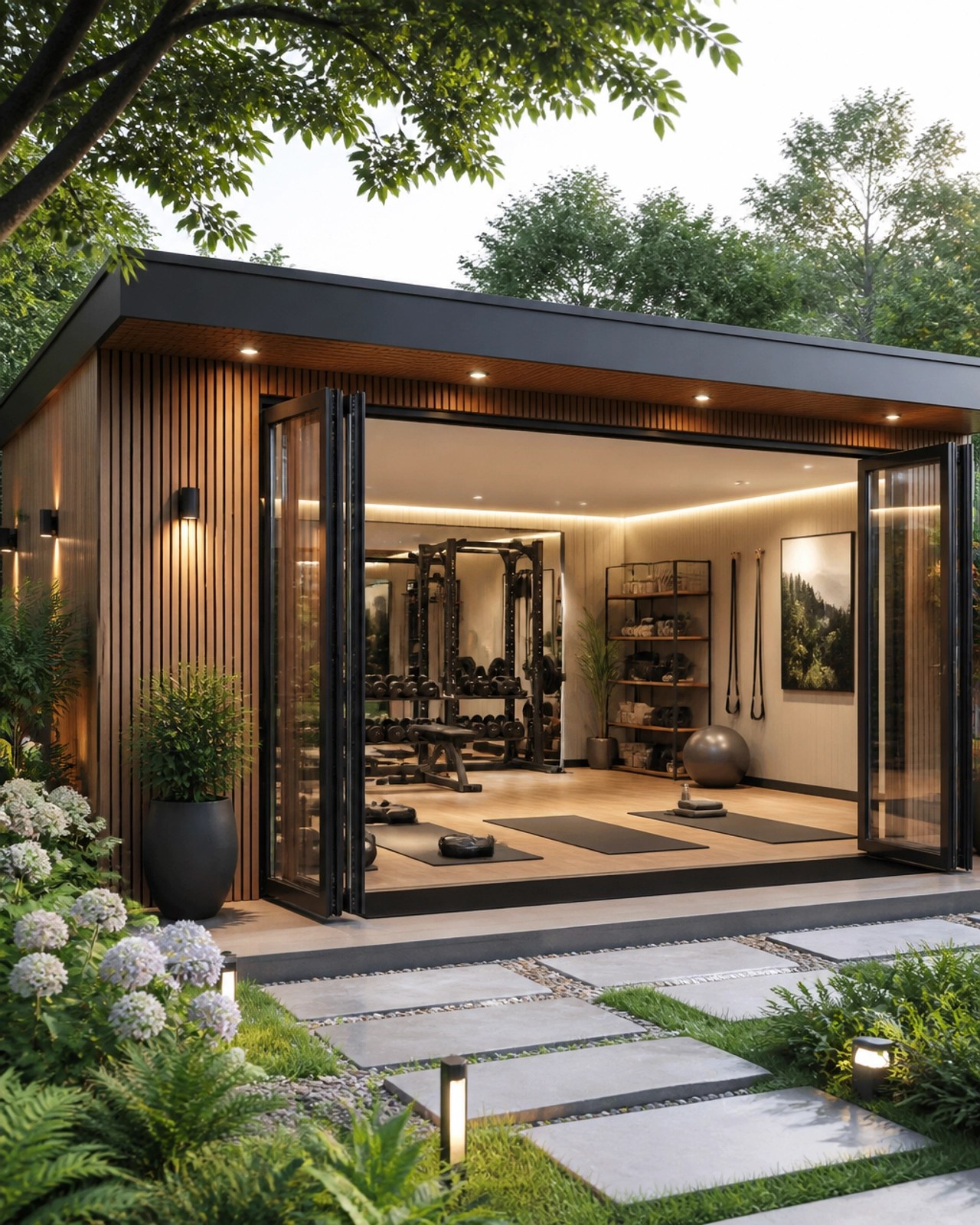
Think of these as "ultra-sheds." They are insulated, powered, and often climate-controlled. Common uses include:
- Backyard Gyms: Skip the commute and the membership fees.
- Art or Music Studios: Soundproofed spaces where you can be as loud as you want.
- Workshop/Maker Space: A clean, professional environment for your side hustle or craft.
These structures are often easier to permit than an ADU because they don't require full plumbing or kitchens, making them a "middle ground" for families who just need more elbow room.
Choosing the Right Path for Your Home
Deciding between a flex room and an ADU usually comes down to two things: Budget and Purpose.
| Feature | Flex Room Addition | Accessory Dwelling Unit (ADU) |
|---|---|---|
| Typical Cost | $120k – $300k | $180k – $400k+ |
| Kitchen/Bath | Optional (usually shared) | Required (full kitchen & bath) |
| Privacy | Low (inside main house) | High (separate structure) |
| Income | Generally none | High (monthly rental potential) |
| Best For | Growing kids, home offices | Aging parents, rental income |
Why You Need a Pro Residential Contractor
Whether you’re bumping out a wall for a flex room or pouring a foundation for a detached ADU, these projects are complex. There are structural loads, utility hookups, and: most importantly: local building codes to navigate.
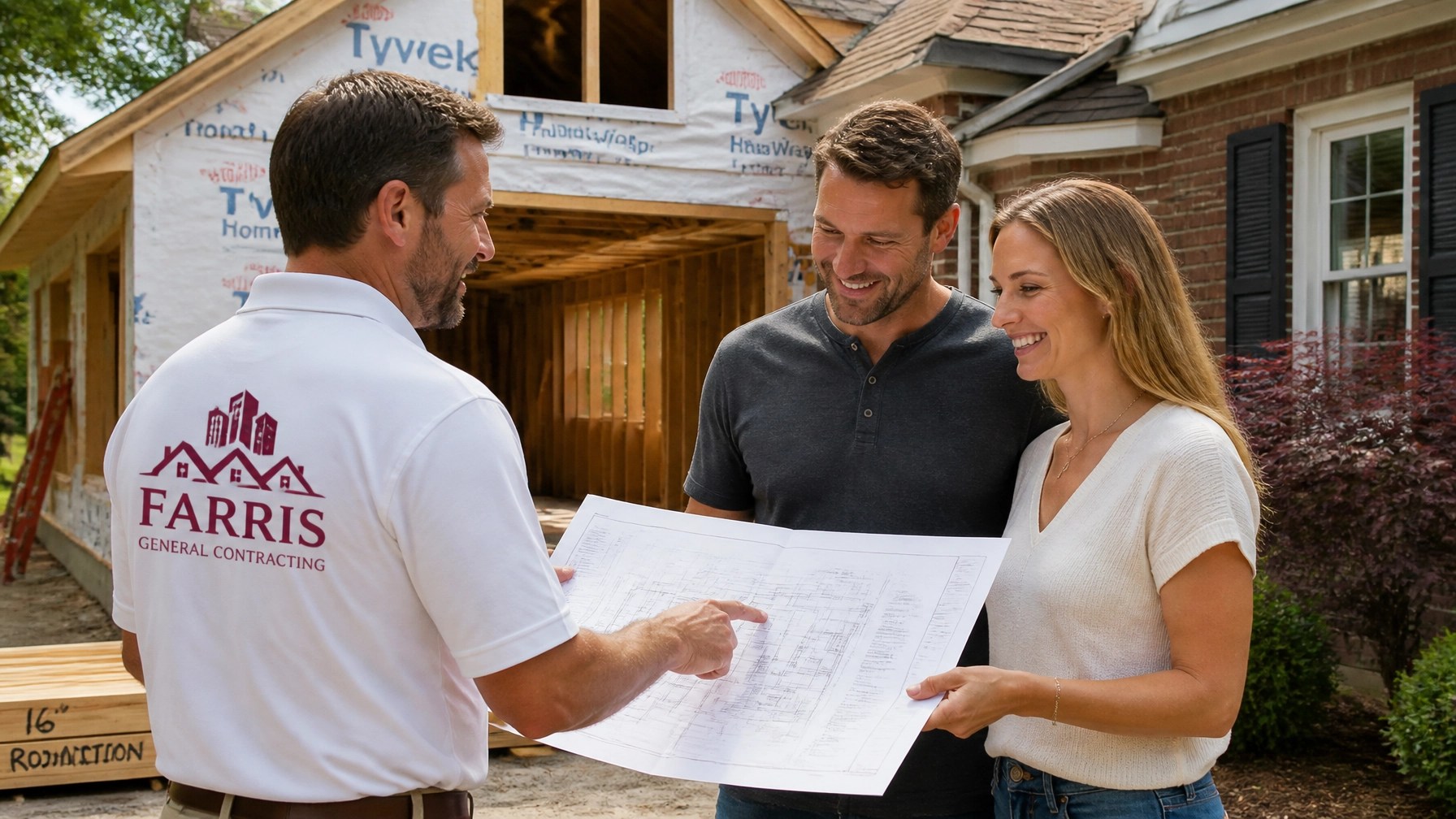
At Farris General Contracting, we don't just swing hammers; we manage the entire process from the first sketch to the final coat of paint. Working with a professional ensures that your addition is safe, legal, and actually adds the value you’re expecting.
Ready to Expand?
If you're tired of tripping over toys or trying to work from the kitchen table, it might be time to look at your backyard or your floor plan with fresh eyes. A smart addition doesn't just give you more square footage: it gives you a better way to live.
Don’t forget to check out Part 3 of our series, where we’ll dive into the specific design features that make a multigenerational space truly comfortable for everyone!
If you're ready to start talking about your vision, reach out to us at Farris General Contracting. We’d love to help you figure out if a flex room or an ADU is the right move for your family.