
Welcome back to our series on Energy-Efficient Construction & 2026 Code Changes! If you’ve been following along, we’ve already chatted about the nitty-gritty of airtight building envelopes and how new 2026 codes are changing the way we think about residential contractor services.
Today, we’re talking about everyone’s favorite topic: money. Specifically, how "building green" isn't just a favor to the planet: it’s a massive favor to your bank account.
A common myth we hear at Farris General Contracting is that energy-efficient custom home builds are "too expensive" to be worth it. But when you look at the math over five, ten, or twenty years, the story changes completely. Between lower monthly bills, massive tax credits available in 2026, and a higher resale value, energy efficiency is arguably the best investment you can make in your home.
Let’s break down exactly how these savings stack up.
1. Immediate Gratification: Slashing the Monthly Utility Bills
The most obvious way you save money is through your monthly utility bills. It’s the "gift that keeps on giving."
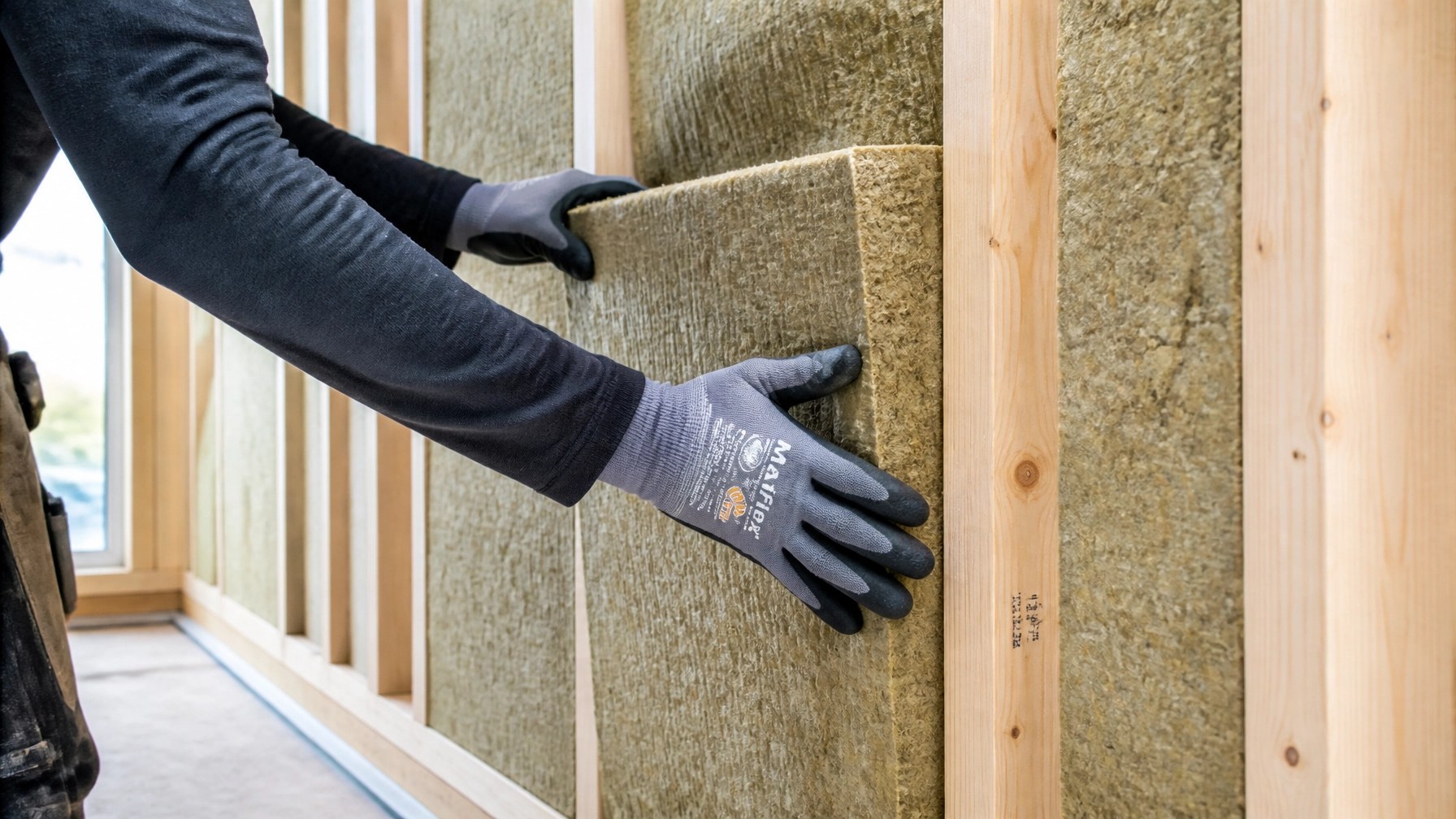
When we provide general contractor services for a new build or a major renovation, we focus on high-performance insulation, "smart" windows, and right-sized HVAC systems. In a standard, older home, you might be throwing away 20-30% of your heating and cooling literally through the cracks in your walls and windows.
Why the 2026 Standards Matter
With the updated codes, new homes are required to be tighter and better insulated than ever before. While this might slightly increase the initial construction cost, the ROI is immediate. According to recent data, improving heating and cooling efficiency alone can cut a home’s energy use by about 10% to 20%. In a world where energy prices seem to only go up, that’s a significant chunk of change staying in your pocket every single month.

2. Uncle Sam’s Helping Hand: 2026 Tax Credits and Rebates
If the monthly savings are the "slow and steady" win, then tax credits are the "big win" right out of the gate. As of 2026, there are some incredible incentives for homeowners and builders to go green.
- The 45L Builder Credit: For those starting custom home builds, there is a federal tax credit available for homes that meet specific energy efficiency standards (like ENERGY STAR or DOE Zero Energy Ready). Through mid-2026, builders can claim up to $5,000 per home. This is a huge incentive that we, as your residential contractor, can help you navigate to lower the overall project cost.
- The 25C Homeowner Credit: If you aren't building from scratch but are doing an addition or a major remodel, you can claim up to $3,200 per year in federal income tax credits for qualified energy-efficiency upgrades. This includes things like new insulation, high-efficiency heat pumps, and energy-efficient windows.
You can check out more details on these credits at Energy.gov or talk to your tax professional. The key is to act now: some of these credits are currently set to expire or change after June 2026!
3. Future-Proofing Your Equity: Resale Value
One of the most overlooked parts of the ROI equation is resale value. Today’s homebuyers are savvy. They aren’t just looking at the granite countertops and the hardwood floors; they’re asking about the average utility bill and the age of the HVAC system.
The "Green" Premium
Market data consistently shows that homes with documented energy-efficient features sell for more than their "standard" counterparts. Think of it this way: if a buyer is choosing between two identical houses, but House A has a monthly utility bill of $150 and House B has a bill of $350, House A is worth significantly more in their eyes.
When you invest in general contractor services that prioritize efficiency, you aren't just spending money: you're parking it in your home’s equity. You’ll likely recoup a major portion (if not all) of those "green" costs when it comes time to sell.
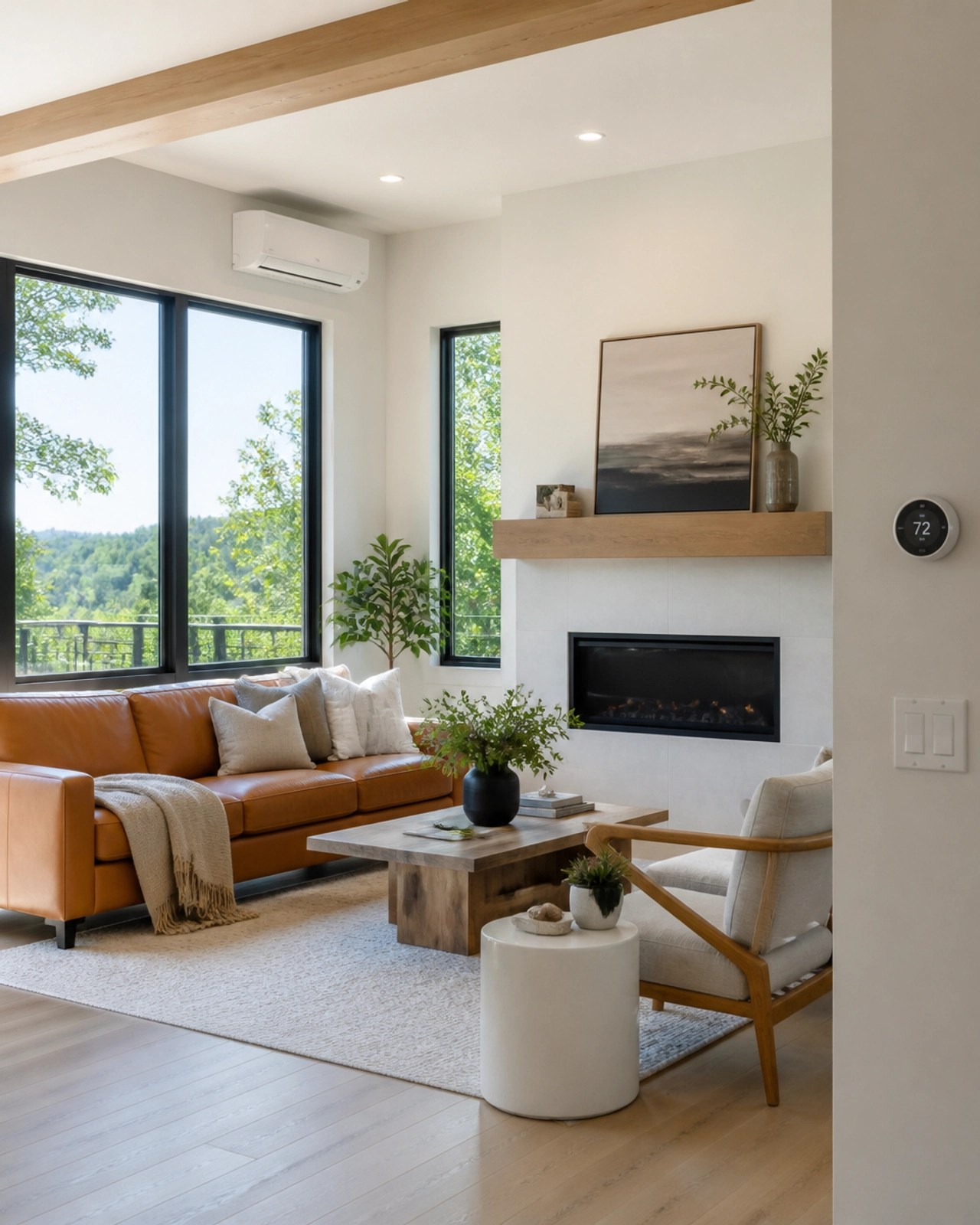
4. Longevity and Maintenance Savings
Building a high-performance home doesn't just save energy; it saves the home itself.
When a house is built to 2026 efficiency standards, the HVAC systems don't have to work as hard. They aren't constantly cycling on and off to fight against drafts or poor insulation. This means the equipment lasts longer and requires fewer repairs over time.
Additionally, better moisture management (which is a huge part of energy-efficient building envelopes) means a lower risk of mold, wood rot, and other structural issues that can cost tens of thousands of dollars to fix down the road. By doing it right the first time with a quality residential contractor, you’re avoiding these expensive "hidden" costs.
5. Comfort: The ROI You Can’t Put a Price On
While this post is about financial savings, we have to mention the "comfort ROI."
There is a massive difference in the quality of life inside an energy-efficient home. There are no cold spots near the windows in the winter. The upstairs isn't a sauna in the summer. The air is filtered more effectively, leading to better indoor air quality.
Knowing your home is quiet, comfortable, and healthy provides a peace of mind that is truly priceless. Plus, knowing you're doing your part for the environment is a pretty great bonus.
Putting It All Together
Building or renovating with energy efficiency in mind is a classic case of "spending a little more now to save a lot more later."
If you're ready to start your journey toward a more efficient home, we’d love to help. At Farris General Contracting, we stay on top of the latest building codes and energy technologies so you don't have to. Whether it's a custom home build or a modern renovation, we’re here to make sure your investment pays off for years to come.
Don't forget to check out the final part of our series coming tomorrow! We’ll be wrapping everything up and looking at the future of home building beyond 2026.
Ready to see how much you could save? Contact us today for a consultation!