
Welcome back! If you caught the first part of our series on Outdoor Living Spaces & Landscaping, you know we’re big believers in taking the living room outside. But before you can pick out that perfect weatherproof sectional or the ultimate grill station, you’ve got to decide what everything is going to sit on.
Choosing between a patio, a deck, a screened porch, or a three-season room is one of the biggest decisions in home renovations. It’s the literal foundation of your outdoor lifestyle. At Farris General Contracting, we see these projects as more than just "backyard work": they are significant house additions that change how you experience your home.
So, let's break down the pros, the cons, and the "which one is right for me?" of it all. Don't worry, we'll keep it simple and skip the heavy technical jargon where we can.
1. The Patio: The Low-Profile Classic
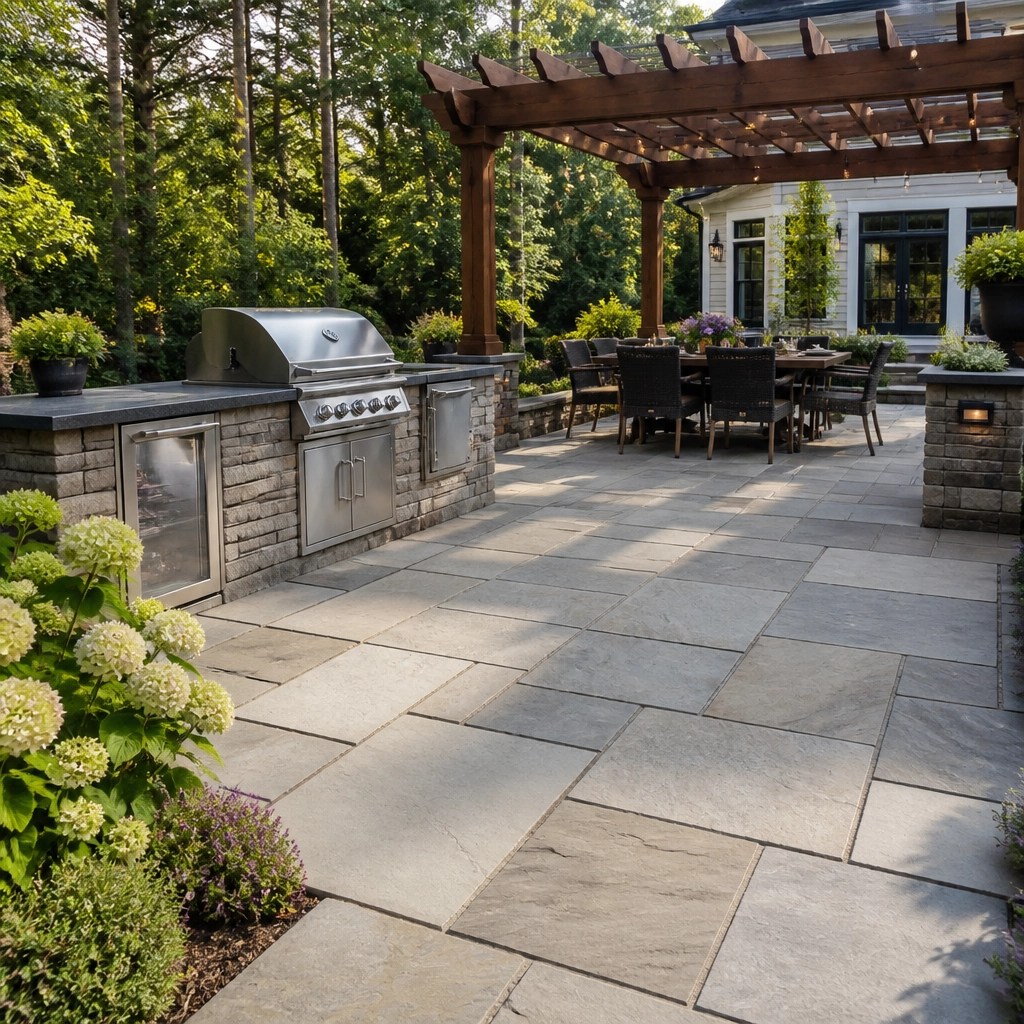
A patio is essentially a paved area at ground level. It’s the go-to for many because of its versatility and durability. Whether you’re using pavers, flagstone, or stamped concrete, a patio feels like a natural extension of your landscaping.
The Pros:
- Durability: Patios are tough. They don't rot, and they don't need to be stained every few years. A quick power wash usually does the trick.
- Value: Generally, patios offer a fantastic return on investment because they are often more cost-effective to build than elevated structures.
- Connectivity: Being at ground level means you’re right there with your garden, your lawn, and your kids playing in the grass.
The Cons:
- Bugs: You’re out in the open. If your area is prone to mosquitoes, you’ll need to invest in some good fans or Citronella.
- Weather Dependent: Without a roof, a rainy day means the party moves inside.
Is it for you? If you love an open-air feel and want a low-maintenance space for large gatherings, a patio is a winner. Check out some of our past patio projects to see how quality craftsmanship construction makes a difference in the details.
2. The Deck: Elevating the Experience
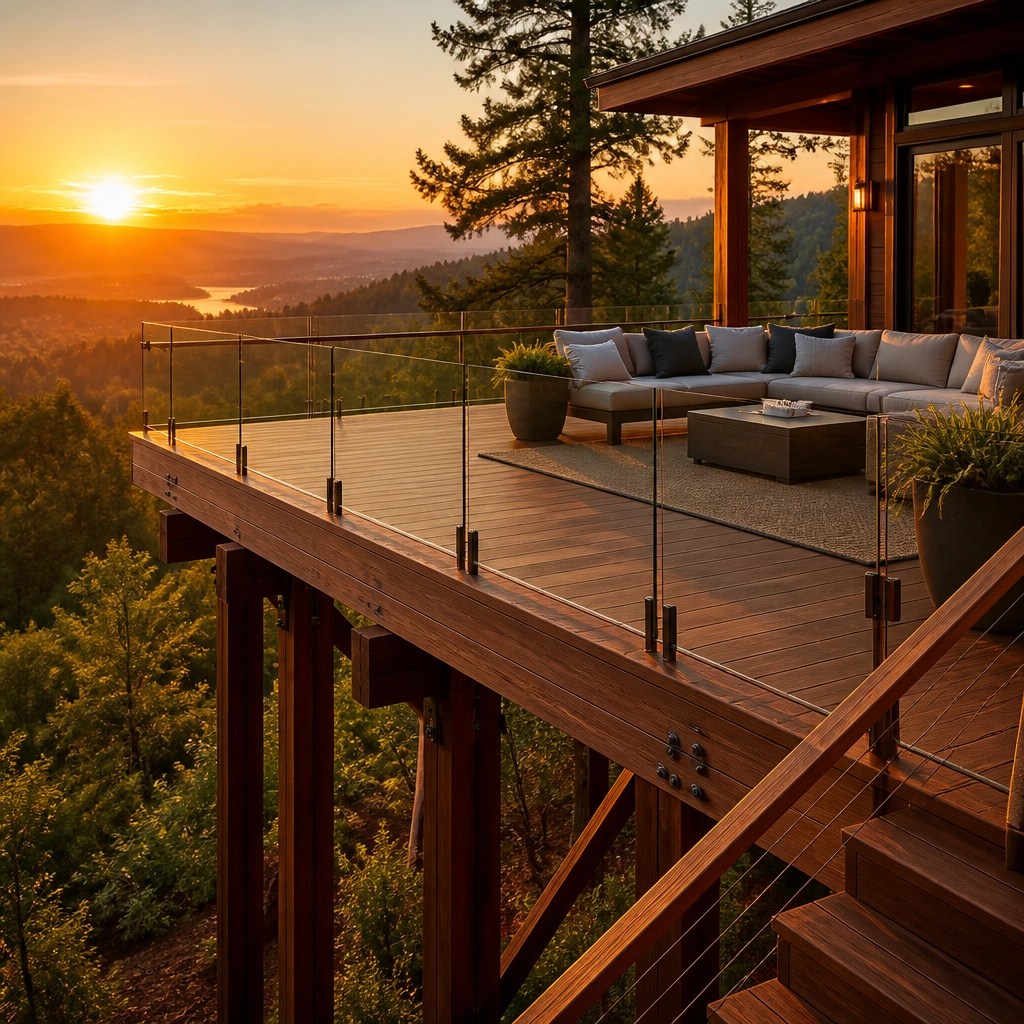
If your back door is a few feet off the ground or your yard has a bit of a slope, a deck is likely your best bet. Decks are typically made of wood (like cedar or redwood) or composite materials (like Trex).
The Pros:
- The View: Elevation gives you a better vantage point of your property.
- Leveling the Playing Field: Decks are great for uneven terrain where a flat patio would require massive amounts of dirt and retaining walls.
- Cooler Surface: Wood and high-quality composites often stay cooler underfoot than dark stone or concrete on a hot summer day.
The Cons:
- Maintenance: Wood decks need love: cleaning, staining, and sealing. (Pro tip: Composite decking is a great "low-maintenance" alternative if you have the budget!)
- Cost: Depending on the height and materials, a deck can be a bit more of an investment than a simple patio.
Is it for you? If you have a sloping lot or want that classic "American backyard" feel for summer BBQs, a deck is the way to go. It’s one of those home renovations that truly expands your usable square footage.
3. The Screened Porch: The Bug-Free Zone
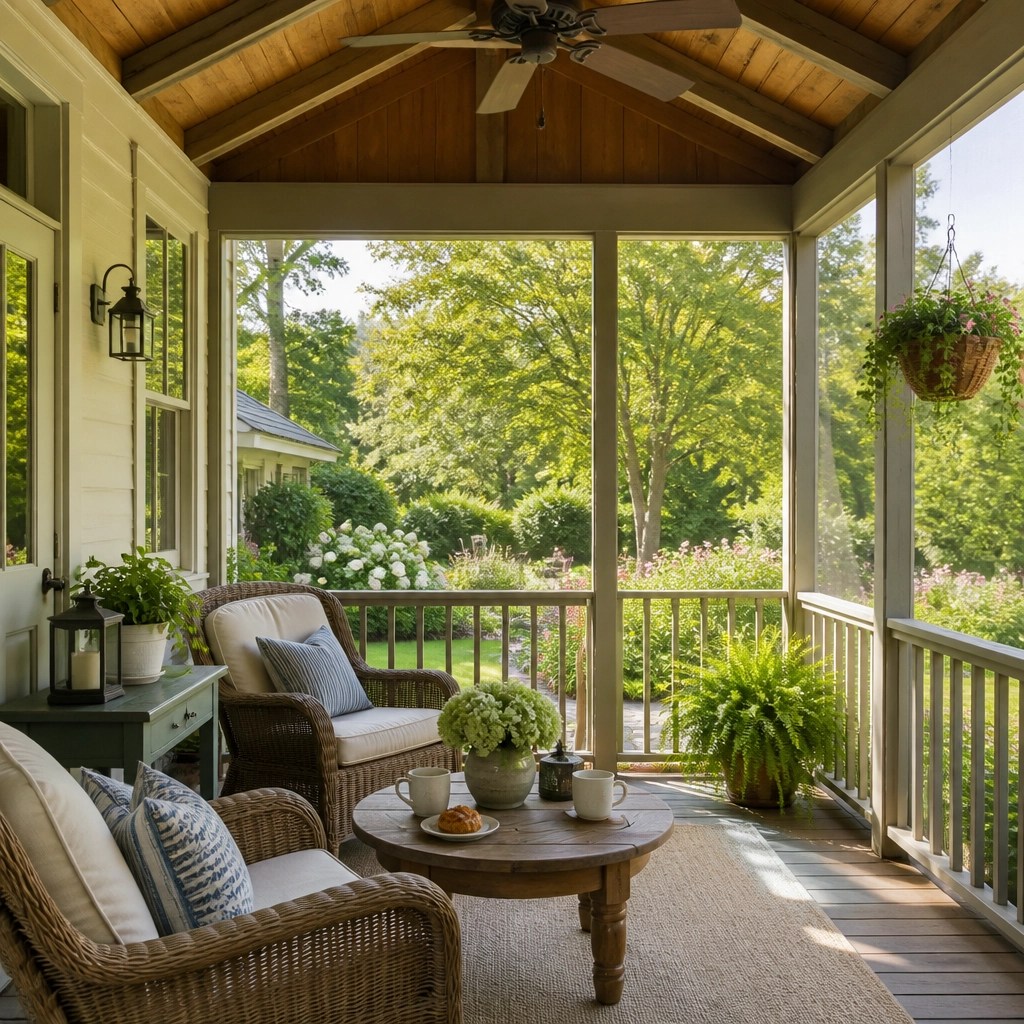
Think of a screened porch as a deck or patio with a roof and walls made of mesh. It’s the ultimate middle ground for people who love the outdoors but hate uninvited guests (the six-legged kind).
The Pros:
- Bye-Bye Bugs: This is the biggest selling point. You can enjoy a late-night dinner without being eaten alive.
- Shade and Shelter: The roof keeps you cool on sunny days and dry during a light summer drizzle.
- Interior Comfort: You can often include "indoor" perks like ceiling fans, lighting, and even a TV.
The Cons:
- Pollen: Screens block bugs, but they don't block dust or pollen. You’ll still need to wipe down the furniture occasionally.
- Temperature: It’s still an outdoor space. If it’s 95 degrees or 30 degrees outside, it’ll feel pretty close to that on the porch.
Is it for you? If your dream is to sit outside with a book and a glass of wine without worrying about mosquitoes, this is your sanctuary. It's a popular choice for house additions because it adds so much lifestyle value.
4. The Three-Season Room: The Best of Both Worlds
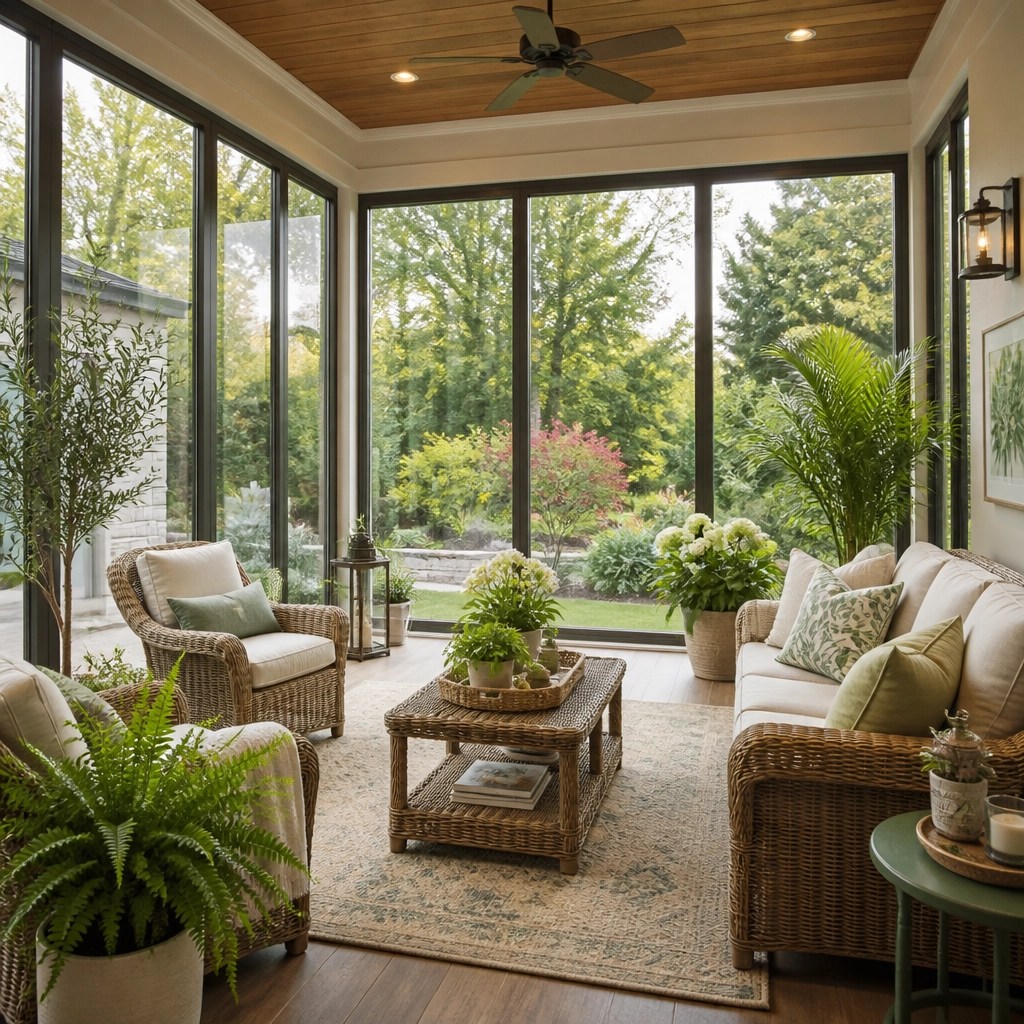
A three-season room takes the screened porch a step further by replacing or supplementing the screens with glass or acrylic windows. It’s not quite a fully insulated "four-season" room (which would be tied into your home's HVAC system), but it's close.
The Pros:
- Extended Use: As the name suggests, you can use it comfortably for most of the year. With a small space heater, you can even push it into the late fall.
- Cleanliness: Unlike a screened porch, you can close the windows to keep out rain, wind, and that pesky spring pollen.
- Room Feel: It feels much more like a part of the house. It’s great for a playroom, a home office, or a quiet sunroom.
The Cons:
- Price Point: This is the most expensive of the four options due to the windows and more robust framing required.
- Lack of Breeze: When the windows are closed, you lose that "direct" outdoor air unless you opt for a style with integrated screens.
Is it for you? If you want a flexible space that feels like an indoor room but offers panoramic views of your yard, a three-season room is a fantastic investment in quality craftsmanship construction.
How to Choose? A Quick Checklist
Still on the fence? Ask yourself these four questions:
- What’s my main goal? (Grilling and hosting big parties? Go Patio/Deck. Quiet reading and bug-free dinners? Go Porch/Three-Season Room.)
- What’s my yard like? (Flat? Patio is easy. Sloped? Deck is better.)
- How much maintenance am I willing to do? (Hate staining wood? Go for a stone patio or composite deck.)
- What’s my budget? (Patios are usually the most budget-friendly; three-season rooms are a larger investment.)
Why "Quality Craftsmanship" Matters
No matter which foundation you choose, the secret sauce is always the construction quality. A deck that isn't properly flashed can cause water damage to your house. A patio with poor drainage will turn into a pond after the first storm.
When we handle house additions at Farris General Contracting, we focus on the "unseen" parts: the structural integrity and the precision that ensures your new space lasts for decades. If you're looking for more inspiration, don't forget to check out Better Homes & Gardens' guide on outdoor rooms for some great design tips.
Ready to Start Your Project?
Choosing your foundation is just the beginning of the journey. In Part 3 of this series, we’ll be talking about Materials Matter: Wood vs. Composite vs. Stone, where we dive deep into the pros and cons of what your new space is actually made of.
If you’re ready to stop dreaming and start building, we’d love to chat! Contact us today for a consultation. Whether it's a simple patio refresh or a full-scale three-season room addition, we're here to help you get outside.
Subscribe now so you don't miss the rest of our series!