
Welcome back to our series on Outdoor Living Spaces & Landscaping! If you’ve been following along, you’ve seen how we tackle everything from initial planning to choosing the right deck materials. Today, we’re diving into the "magic" that happens when the immovable structures of your yard meet the living, breathing beauty of nature.
At Farris General Contracting, we often tell our clients that a truly successful outdoor project is a dance between two worlds: Hardscaping (the patios, walls, and paths) and Landscaping (the plants, trees, and grass). When these two work in harmony, they don’t just make your house look better: they increase its value and transform how you live in your space. Whether you are in the middle of major home renovations or just looking to spruce up a corner of your yard, understanding how to bring these elements together is key.
The Invisible Hero: Why Drainage Matters First
Before we talk about pretty flowers or stylish stone, we have to talk about water. In the world of quality craftsmanship construction, we know that if you don't respect water, it will eventually destroy your hard work.
When you add hard surfaces like concrete patios or stone pathways, you change how rainwater moves across your property. Instead of soaking into the ground, water runs off. If your yard isn’t graded correctly, that water can end up in your basement or pool against your foundation. This is especially critical when planning house additions, where the new structure alters the footprint of the land.
Quick Tips for Proper Drainage:
- Grade away from the house: Your land should slope at least 6 inches downward over the first 10 feet from your foundation.
- Retaining wall "weep holes": If you're building a wall, it needs a way to let water escape from behind it so pressure doesn't build up and cause a collapse.
- French drains: These are gravel-filled trenches with perforated pipes that redirect water safely away from your living areas.
Getting the "underground" stuff right is what separates a DIY weekend project from a professional-grade renovation that lasts a lifetime.
Retaining Walls: Creating Level Ground for New Memories
Many properties have slopes that make parts of the yard unusable. A well-designed retaining wall is a game-changer. It holds back the soil, prevents erosion, and creates flat, tiered spaces that are perfect for gardening or even a small patio.
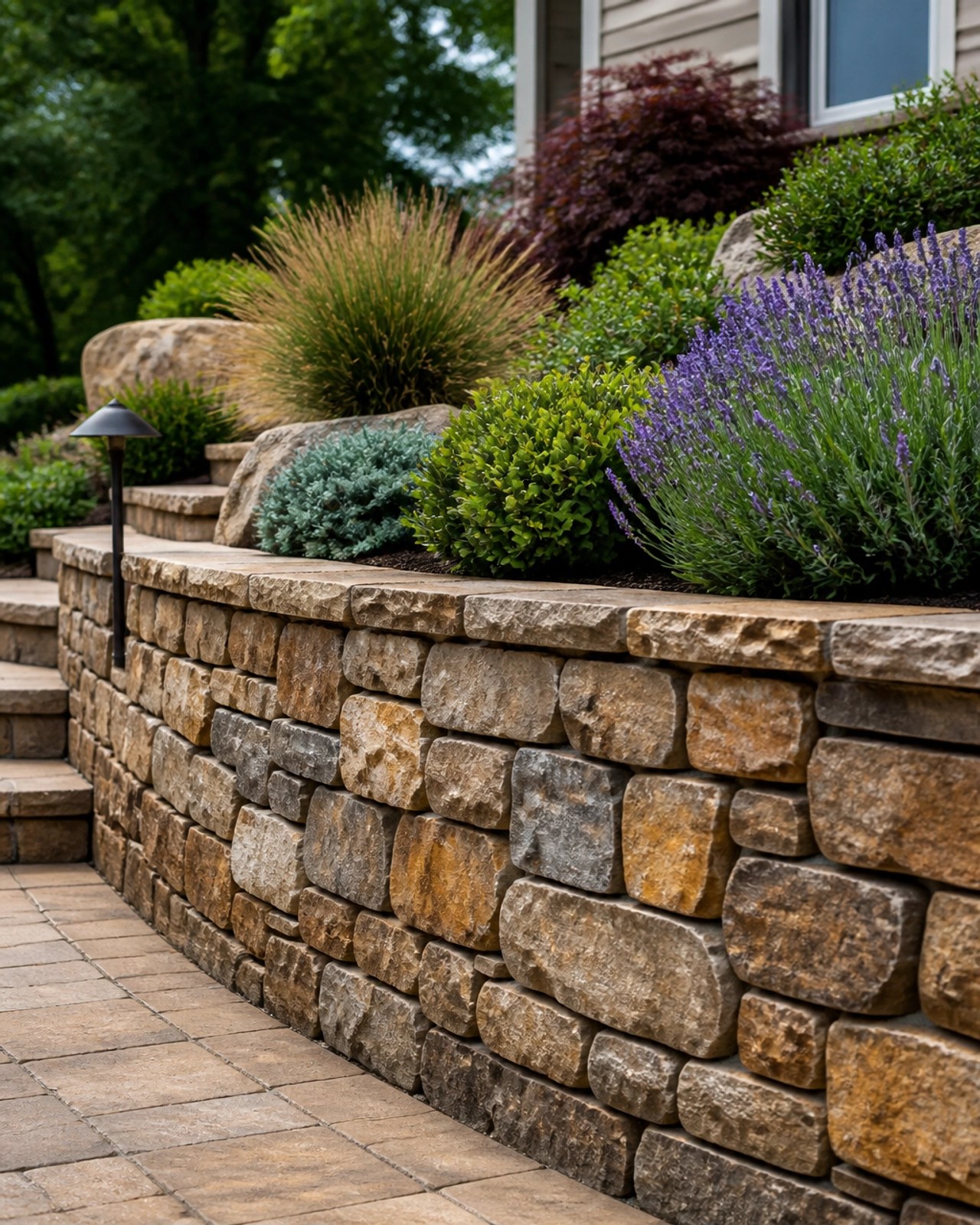
Retaining walls aren't just functional; they are a major aesthetic feature. You can choose from natural fieldstone, stackable pavers, or even timber to match the style of your home. During many of our home renovations, we use retaining walls to "step" a backyard, turning a steep hill into a series of beautiful garden beds.
When you integrate landscaping into these walls, you soften the hard lines. Imagine cascading rosemary or creeping thyme spilling over the edge of a stone wall. It takes something structural and makes it feel like it’s been there forever.
Pathways: The Arteries of Your Landscape
How do you get from your back door to your garden bench? Or from the driveway to your new house addition? Pathways are the literal and figurative flow of your yard.
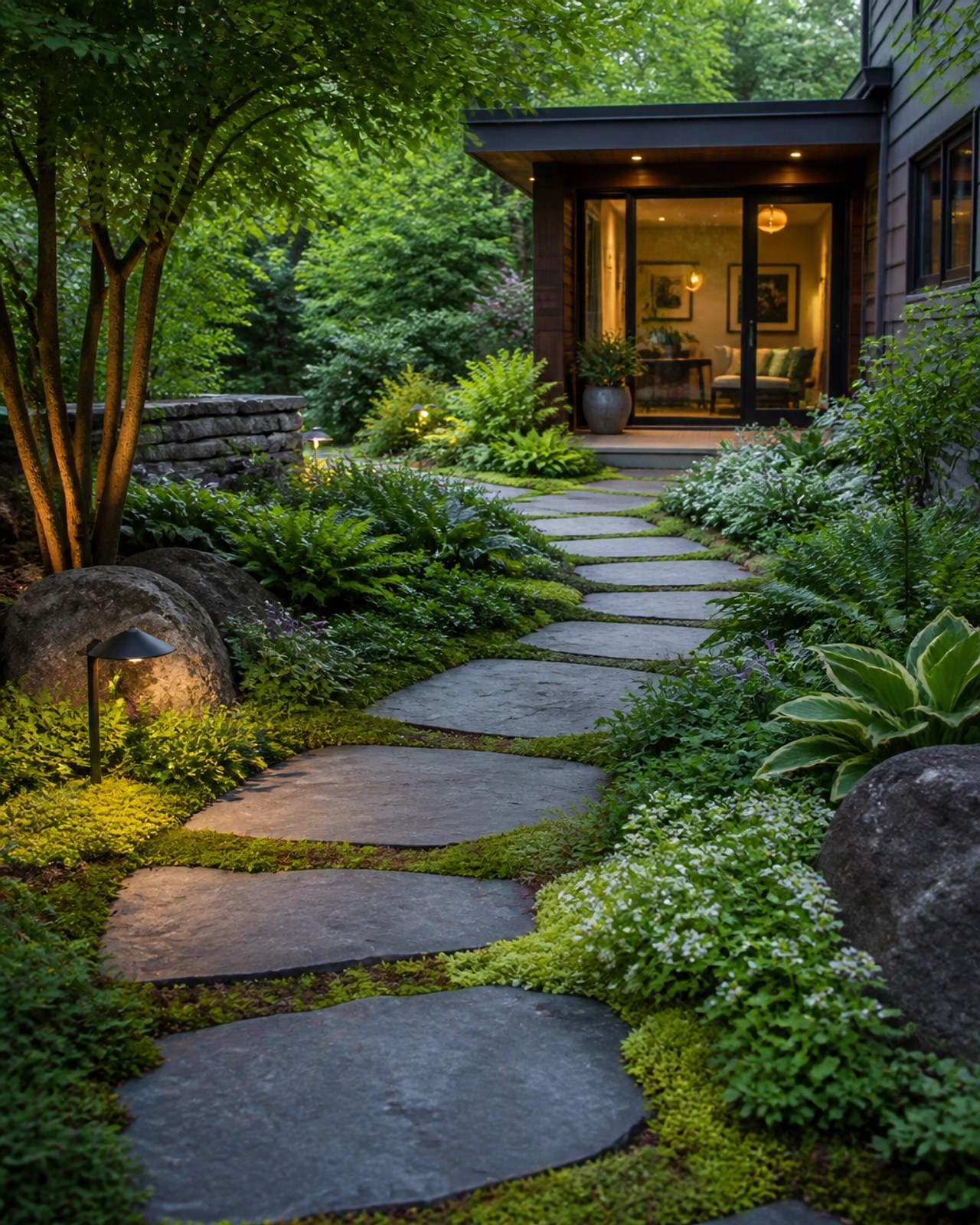
A path shouldn't just be a way to get from point A to point B. It should be an experience. Here’s how to blend paths with your landscaping:
- Material Harmony: If your house is traditional brick, consider clay pavers for your path. If you have a modern home, sleek slate or large-format concrete pavers work beautifully.
- The "Slow Down" Path: A winding path with stepping stones encourages people to walk slower and notice the plants along the way.
- The Direct Route: For main access points, keep it wide (at least 36 inches) and stable.
We believe that quality craftsmanship construction is all about the details: like ensuring every stone is level and every curve feels natural, not forced.
Plant Selection: Softening the Hardscape
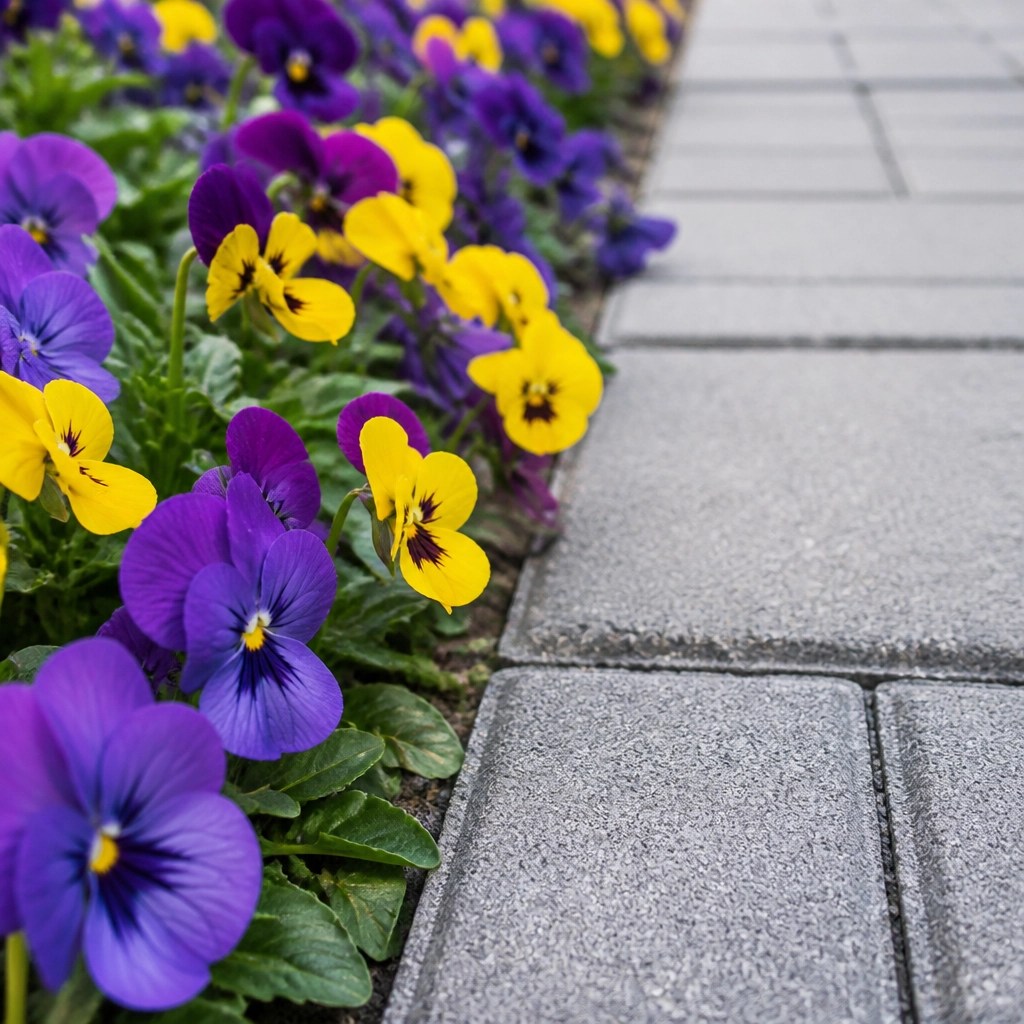
The term "softscape" refers to the living elements of your yard. The goal here is to use plants to "hug" your hardscaping. If you have a brand-new concrete patio, it might look a little cold on its own. Add some ornamental grasses and colorful perennials around the perimeter, and suddenly, it’s a sanctuary.
Pro-Tip for Plant Selection:
- Think in Layers: Put taller shrubs in the back, mid-sized perennials in the middle, and low groundcovers at the very edge of your paths or walls.
- Evergreens are Essential: Don't forget plants that stay green in the winter. They provide "bones" to your garden when everything else is dormant.
- Match the Microclimate: Hardscapes (especially dark stone) can hold heat. Choose heat-tolerant plants like lavender or sedum for areas near stone patios that get a lot of sun.
Integrating Outdoor Living with House Additions
One of the most exciting parts of our work at Farris General Contracting is seeing a project come full circle. When we build house additions, we always look at how that new room connects to the outside. A sunroom or a kitchen extension feels twice as large when it opens up onto a perfectly integrated patio and garden.
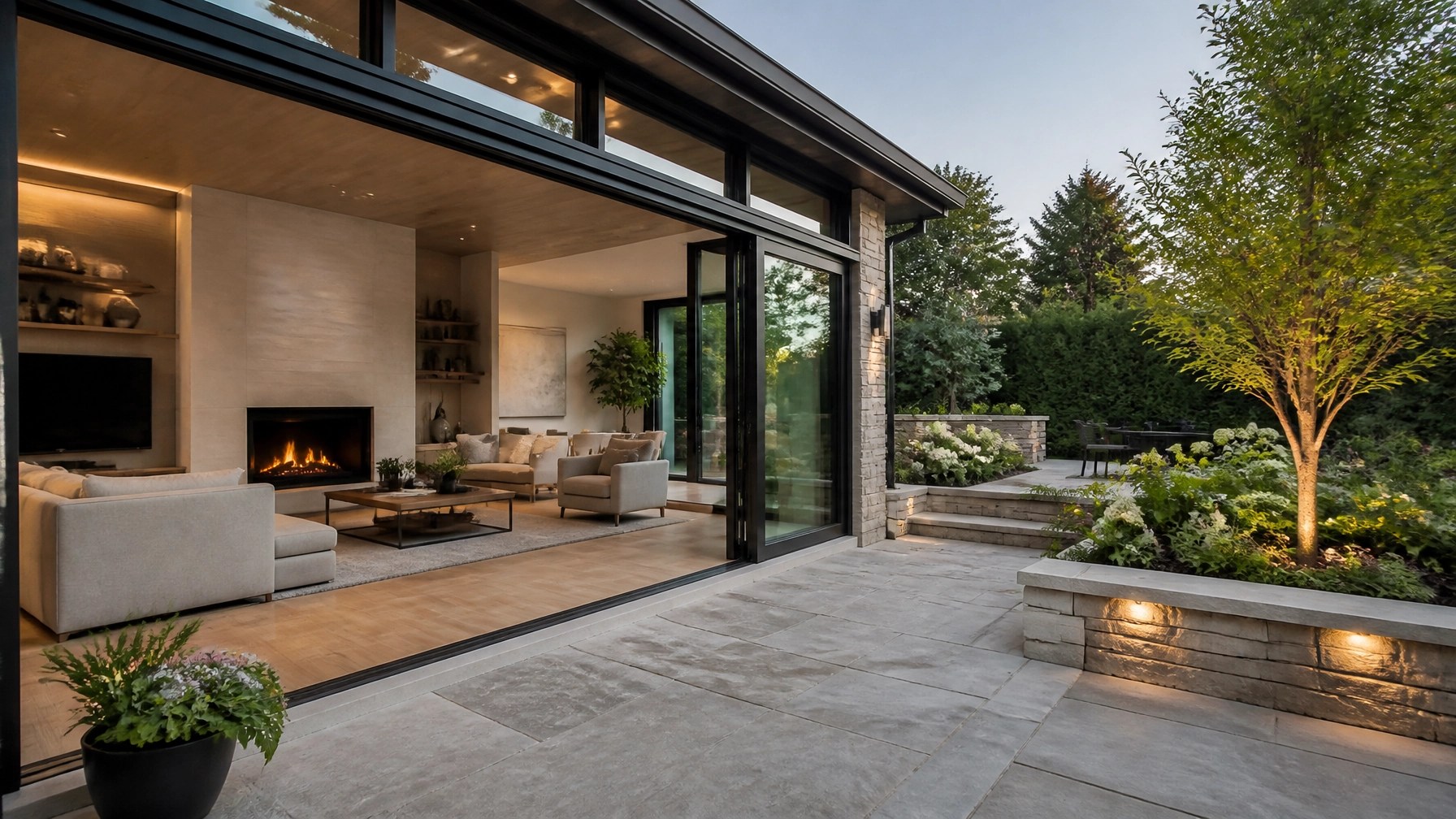
By planning your hardscaping and landscaping at the same time as your interior home renovations, you can create a "seamless transition." This might mean using the same color palette for your outdoor pavers as your indoor flooring, or positioning a large window to frame a specific tree or focal point in your new garden.
Don’t Forget to Check Out…
If you’re looking for inspiration, don’t forget to check out our portfolio of recent work. You can see firsthand how we combine structural integrity with natural beauty to create spaces our clients love.
Whether you’re starting small with a single flower bed or planning a massive overhaul including house additions and tiered stone walls, remember that it’s okay to start small and experiment! The best gardens are grown over time, but they always start with a solid foundation.
Ready to bring your outdoor vision together? Contact us today to talk about your next project. We’re here to help you navigate the process from the first shovel in the ground to the final plant in the soil.
Next Up: Stay tuned for Part 5 of our series, where we’ll wrap everything up with a guide on "Maintaining Your Outdoor Paradise: Keeping Your Investment Beautiful Year-Round." See you then!